About the Article
Thinking about importing electric two-wheelers? Electric Motorcycle vs E-Bike: Which Is Better to Import in 2026?
At first glance, an e-bike and an electric motorcycle appear to be variations of the same product.
Both use electric motors. Both use lithium batteries. Both are manufactured in many of the same industrial regions.
Yet from an importer’s perspective, they operate under completely different engineering, regulatory, logistics, and commercial frameworks.
Many first-time buyers discover this only after encountering:
- Customs delays
- Compliance failures
- Unexpected tariff exposure
- Battery warranty issues
- Unsellable inventory
This guide explains the real-world differences between importing e-bikes and electric motorcycles in 2026 and helps distributors, wholesalers, fleet operators, and private-label brands determine which category offers the best opportunity.
Executive Summary
For readers short on time:
| Factor | E-Bikes | Electric Motorcycles |
|---|---|---|
| Typical Voltage | 36V–52V | 72V–120V+ |
| Top Speed | 25–45 km/h | 80–140 km/h |
| Battery Capacity | 0.5–1.5 kWh | 3–10+ kWh |
| Primary Customer | Retail Consumers | Fleets & Commercial Users |
| Certification | EN15194 / UL2849 | EEC / DOT / FMVSS |
| Registration Required | Usually No | Usually Yes |
| Shipping Density | High | Lower |
| Compliance Complexity | Moderate | High |
| Fleet Opportunity | Limited | Significant |
| Long-Term Margin Potential | Moderate | High |
The short version:
E-bikes are easier to sell. Electric motorcycles are often easier to scale.
Why Electric Motorcycle vs E-Bike Matters More Than Ever in 2026
The global electric mobility market continues to expand rapidly.
At the same time, importers face growing challenges:
- Stricter battery regulations
- More aggressive customs enforcement
- Increased certification requirements
- Growing competition among low-cost suppliers
Choosing the wrong product category can lock a distributor into shrinking margins and price wars.
Choosing the right category can create long-term recurring revenue through fleet contracts, service programs, and spare parts sales.
Related 🔗: Electric vs Gasoline Motorcycles for Emerging Market Distributors in 2026
1. Engineering Differences: Why Electric Motorcycles Are Not “Bigger E-Bikes”
The most common misconception in the industry is:
An electric motorcycle is simply a faster e-bike.
From an engineering perspective, this is inaccurate.
The two vehicle categories are designed for completely different operating conditions.
E-Bikes: Electrified Bicycles
Most modern e-bikes operate between:
- 36V
- 48V
- 52V
Common characteristics include:
- Hub-drive motors
- Lightweight frames
- Cylindrical lithium cells
- Passive cooling
- Pedal-assist operation
The system is designed for:
- Urban commuting
- Recreational riding
- Moderate daily mileage
Thermal loads remain relatively low because rider input contributes part of the propulsion effort.
Electric Motorcycles: Lightweight Electric Vehicles
Electric motorcycles operate closer to automotive standards.
Typical specifications include:
- 72V–120V battery architecture
- Mid-drive motors
- High-current controllers
- Advanced Battery Management Systems (BMS)
- Reinforced chassis systems
Unlike e-bikes, these vehicles may maintain highway speeds continuously.
The resulting thermal stress affects:
- Battery longevity
- Controller reliability
- Motor efficiency
- Warranty costs
This is one reason experienced importers evaluate battery architecture before evaluating range claims.
A supplier using motorcycle-grade components generally delivers lower warranty risk than one adapting oversized e-bike systems.
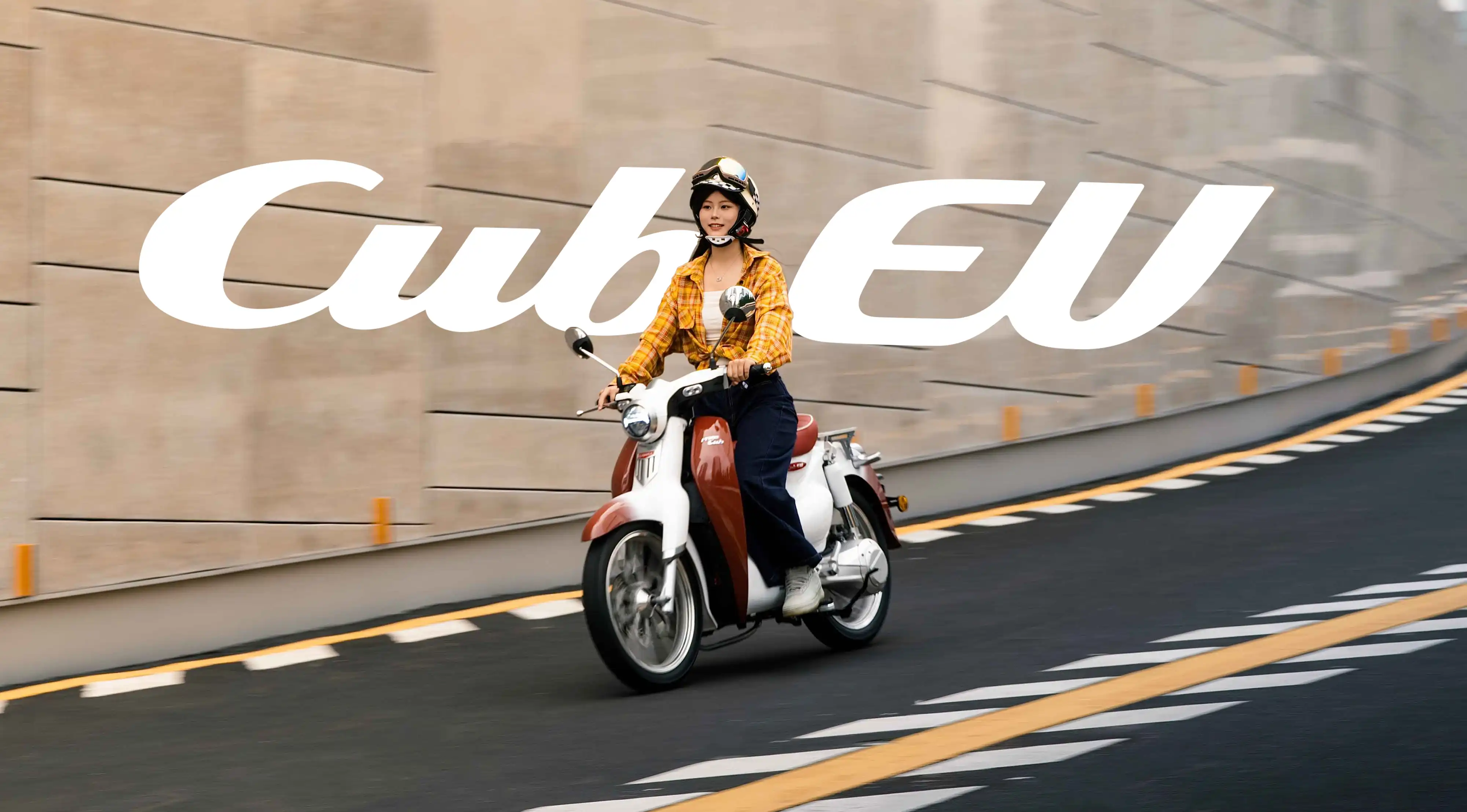
Related 🔗:How Electric Motorcycles Work?
2. Compliance and Certification: The Most Expensive Mistakes Happen Before Shipping
Many importers negotiate aggressively on factory pricing.
Few spend enough time reviewing compliance.
Unfortunately, customs authorities care far more about certification than discounts.
E-Bike Compliance Requirements
Depending on destination market, e-bikes may require compliance with standards such as:
Europe
- EN15194
- CE requirements
- Battery safety regulations
United States
- UL 2849
- CPSC requirements
- Local state regulations
Australia and New Zealand
- Product safety requirements
- Electrical compliance standards
Importers should always verify current requirements before ordering because regulations evolve regularly.
Electric Motorcycle Compliance Requirements
Electric motorcycles are classified as motor vehicles in many jurisdictions.
This typically introduces:
European Market
- EEC Type Approval
- Certificate of Conformity (COC)
- VIN management
United States
- DOT compliance
- FMVSS requirements
- VIN registration
Middle East and Emerging Markets
- Country-specific homologation procedures
- Import licensing
- Local testing requirements
Certification costs are higher.
However, certified products generally face fewer sales restrictions after importation.
3. The Tariff Question: Why Many Importers Miscalculate Total Landed Cost
Factory price is only one component of profitability. A more useful metric is:
Total Landed Cost
This includes:
- Product cost
- Ocean freight
- Insurance
- Duties
- Compliance expenses
- Warehousing
- Local delivery
Many importers focus on unit price and ignore downstream costs. This can produce misleading profitability projections. Before committing to a supplier, request a full landed-cost analysis based on your destination market.
4. Shipping and Logistics: Battery Size Changes Everything
Battery transportation is one of the most overlooked areas of electric vehicle importing.
E-Bike Shipping Advantages
E-bikes generally offer:
- Higher container density
- Lower battery capacity
- Simpler handling requirements
A 40HQ container may accommodate approximately:
180–220 SKD units
depending on packaging configuration.
Electric Motorcycle Shipping Challenges
Electric motorcycles introduce:
- Larger traction batteries
- Increased cargo weight
- Dangerous goods requirements
- Higher freight costs per unit
Typical loading density:
40–60 units per 40HQ container
depending on vehicle dimensions.
Large battery packs frequently require compliance with:
- UN38.3 testing
- Dangerous Goods documentation
- Class 9 transportation procedures
Choosing an experienced logistics provider becomes essential.
5. Profitability Comparison: Retail Customers vs Fleet Customers
This is where many successful importers separate themselves from competitors.
The key question is not:
Which vehicle is better?
The question is:
Which customer is more valuable?
Related 🔗: Electric vs Petrol Motorcycles in Africa 2026
Consumer Market
E-bike customers typically prioritize:
- Price
- Appearance
- Range
- Brand reputation
Advantages:
- Fast inventory turnover
- Large customer base
Disadvantages:
- Heavy competition
- Lower loyalty
- Frequent discount pressure
Commercial Fleet Market
Fleet operators prioritize:
- Reliability
- Operating cost
- Uptime
- Data visibility
- Service support
Typical buyers include:
- Delivery companies
- Logistics providers
- Security firms
- Government agencies
- Utility operators
Unlike consumer customers, fleets often purchase repeatedly.
One fleet contract can generate revenue from:
- Vehicle sales
- Spare parts
- Software services
- Battery replacements
- Expansion orders
For many distributors, this creates a more stable growth model.
Real-World Import Scenario
Consider two distributors importing electric vehicles.
Distributor A
Imports 200 consumer e-bikes.
Advantages:
- Fast sales cycle
- Lower certification burden
Challenges:
- Constant price competition
- Seasonal demand fluctuations
Distributor B
Imports 50 electric motorcycles for delivery fleets.
Advantages:
- Higher average order value
- Repeat purchasing potential
- Service revenue opportunities
Challenges:
- More compliance work
- Longer sales cycle
Neither approach is universally better.
Success depends on market positioning and operational capability.
SKD vs CBU: Which Import Strategy Delivers Better ROI?
SKD (Semi-Knocked Down)
Components arrive partially disassembled.
Benefits:
- Improved container utilization
- Lower freight cost
- Reduced shipping damage
- Potential tariff advantages in some markets
CBU (Completely Built-Up)
Vehicles arrive fully assembled.
Benefits:
- Faster deployment
- Simplified distribution
Trade-off:
- Higher freight cost per unit
Most high-volume importers evaluate both approaches before selecting a market strategy.
Related 🔗: Motorcycle CKD vs SKD vs CBU Explained | China Motorcycle Factory Guide
Frequently Asked Questions
Is importing electric motorcycles more difficult than importing e-bikes?
Generally yes. However, once certification systems are established, many distributors find motorcycle imports easier to scale.
Which category offers better profit margins?
Margins vary by market. Commercial electric motorcycles often provide stronger opportunities for recurring revenue.
Which category faces more competition?
Consumer e-bikes typically face significantly greater pricing pressure.
Is SKD better than CBU?
The answer depends on freight costs, labor costs, and local regulations. Many distributors choose SKD when operating at scale.
Are commercial fleets the future of electric two-wheelers?
Many industry analysts believe fleet electrification will remain one of the fastest-growing segments of the electric mobility market over the next decade.
Final Verdict
If your business model focuses on:
- Retail sales
- Fast inventory turnover
- Lower regulatory complexity
then e-bikes remain a compelling opportunity.
If your goal is:
- Higher margins
- Long-term customer contracts
- Fleet sales
- Recurring revenue streams
then electric motorcycles deserve serious consideration.
The most successful importers are not selecting products based solely on specifications.
They are selecting the business model that aligns with their compliance capabilities, logistics infrastructure, and target customer base.
About Our Manufacturing Program
We manufacture export-ready electric and fuel motorcycles for distributors, fleet operators, and private-label brands worldwide.
Our OEM and ODM solutions include:
- EEC-compliant models
- DOT-ready configurations
- SKD and CKD shipping options
- Fleet telematics integration
- Spare parts programs
- Technical support for international distributors
If you are evaluating electric motorcycle opportunities in your market, contact our team to discuss compliance requirements, container planning, and OEM pricing options.