
Is Africa Ready for Electric Motorcycles — or Will Petrol Continue to Dominate?
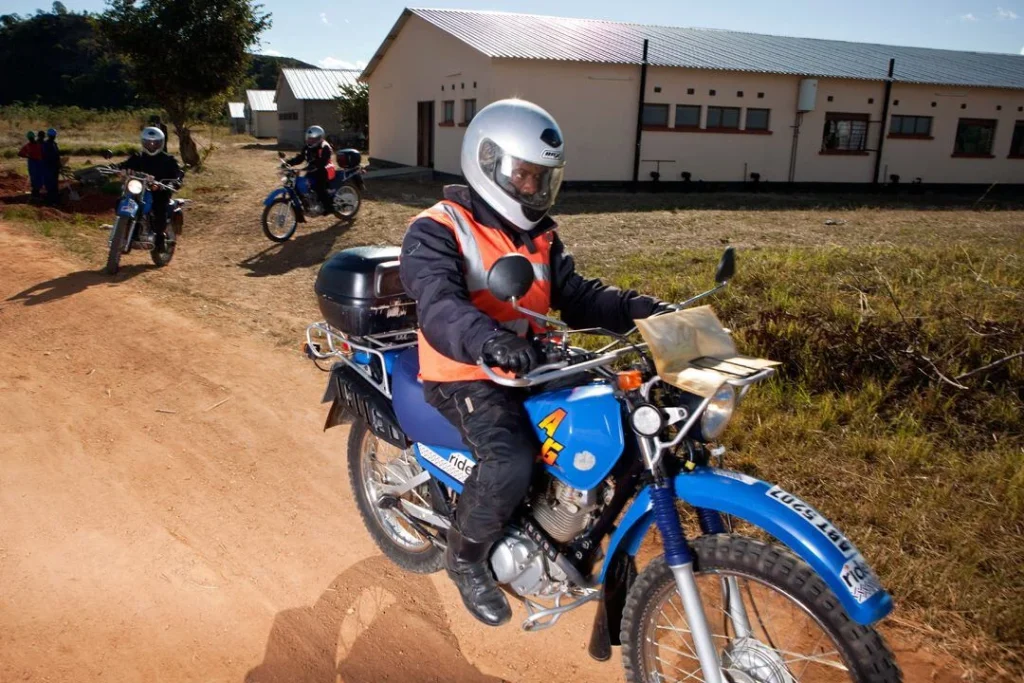
Across Africa, motorcycles are not leisure products.
They are economic infrastructure.
From Lagos to Nairobi, from Kampala to Dar es Salaam, millions of riders depend on motorcycles for income generation.
In 2026, one question dominates distributor discussions:
Should African importers shift from petrol motorcycles to electric motorcycles?
The global narrative says yes.
Market reality says: not so fast.
This article provides a data-driven, ground-level analysis of the electric vs petrol motorcycle market in Africa — and what distributors should actually prepare for.
Related Source: Yamaha AG200: Why This Utility Motorcycle Became Essential Across Africa
Africa Motorcycle Market Overview (2026)
According to trade data and development reports from the World Bank, Sub-Saharan Africa remains one of the fastest urbanizing regions in the world.
Key facts:
- Over 2 million motorcycles are imported into Africa annually
- More than 90% are internal combustion (petrol) motorcycles
- The dominant displacement range remains 100cc–150cc
- Commercial taxi use accounts for a large share of demand
Major markets include:
- Nigeria
- Kenya
- Uganda
- Tanzania
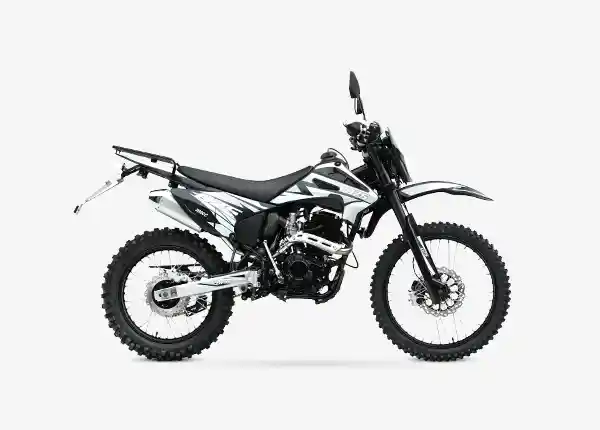
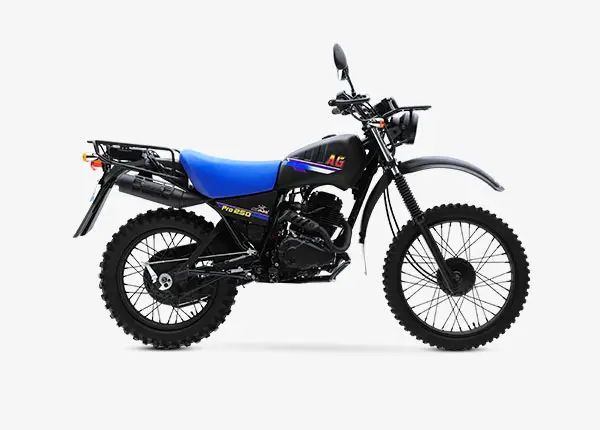
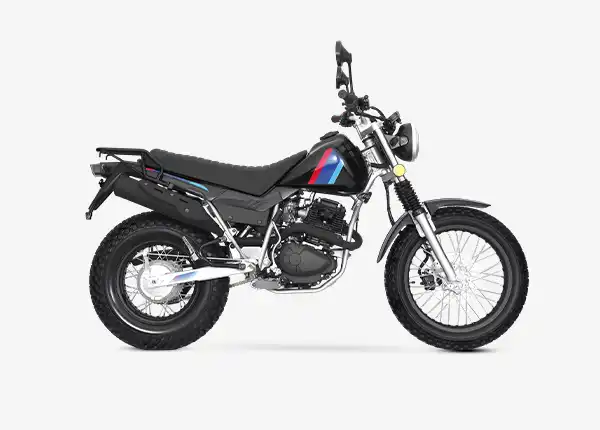
Despite rising headlines about electric mobility, petrol motorcycles still dominate by volume.
Why Petrol Motorcycles Still Dominate the African Market
1. Infrastructure Reality
Electric motorcycles require:
- Stable grid electricity
- Charging stations or battery swap networks
- Reliable technical support
In many African regions:
- Grid reliability remains inconsistent
- Rural electrification is incomplete
- Power outages are common
Fuel distribution networks, however, are deeply established.
For independent taxi riders, refueling in 3 minutes is more practical than waiting for battery charging.
2. Entry Price Sensitivity
African motorcycle buyers are extremely price-driven.
A standard 125cc petrol motorcycle typically requires:
- Lower upfront capital
- Immediate operational readiness
- No dependency on charging ecosystem
Electric motorcycles often require:
- Higher upfront investment
- Battery lease or swap agreements
- Structured fleet participation
For informal operators, affordability determines adoption.
3. Proven Mechanical Simplicity
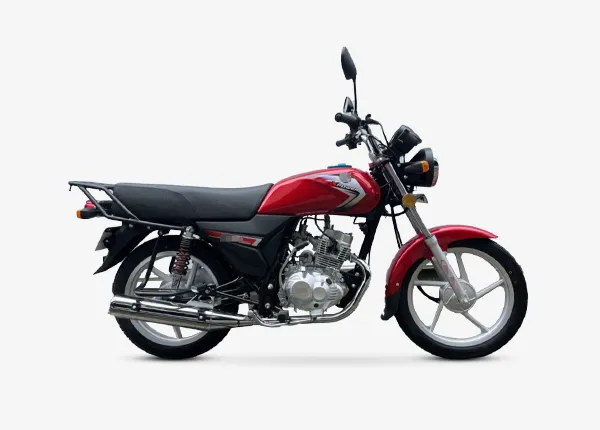
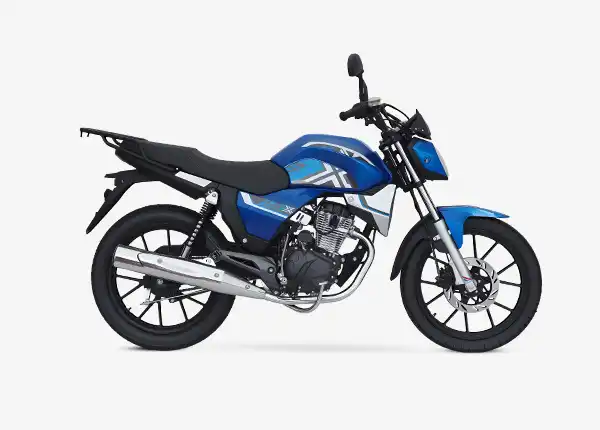
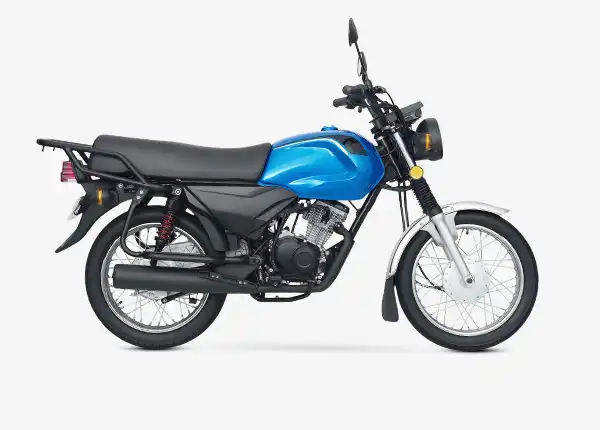
Air-cooled petrol motorcycles are:
- Mechanically simple
- Easy to repair
- Supported by wide spare parts networks
- Serviceable in rural workshops
Electric motorcycles depend on:
- Battery management systems
- Controllers
- Diagnostic tools
- Skilled technicians
Maintenance ecosystems for electric motorcycles are still developing across most of Africa.
Why Electric Motorcycles Are Growing — Especially in East Africa
Although petrol dominates, electric motorcycles are not a short-term trend.
In countries like Kenya and Rwanda, companies such as:
- Ampersand
- Roam
are building battery swap ecosystems targeting commercial taxi fleets.
These growth drivers include:
✔ Lower per-kilometer energy cost
✔ Reduced exposure to fuel price volatility
✔ Environmental policy support
✔ International climate funding initiatives
✔ Structured fleet financing models
Electric growth is currently strongest in:
- Urban East Africa
- Organized fleet systems
- Cities with swap infrastructure
It is not yet widespread in rural West Africa.
Real Cost Comparison: Electric vs Petrol in Africa
For distributors, the core issue is economic viability — not policy narratives.
Petrol 125cc Commercial Scenario:
- Lower purchase cost
- Fuel consumption ~1.8–2.2L/100km
- Immediate nationwide service network
- Predictable maintenance patterns
Electric Motorcycle Commercial Scenario:
- Higher purchase price (unless subsidized)
- Lower energy cost per kilometer
- Battery replacement risk (3–5 year cycle)
- Infrastructure dependency
In structured urban fleet environments, electric motorcycles can achieve competitive ROI.
In decentralized rural markets, petrol motorcycles remain more practical and scalable.
Regional Outlook: Where Electrification Makes Sense
West Africa (Nigeria, Ghana)
- Petrol remains dominant
- Limited electric infrastructure
- Highly price-sensitive retail market
East Africa (Kenya, Uganda, Rwanda)
- Strongest electric growth momentum
- Battery swap pilot ecosystems
- Investor-backed mobility startups
Southern Africa
- Regulatory direction uncertain
- Mixed opportunity landscape
Electric adoption will likely expand in clusters — not across the entire continent simultaneously.
The Strategic Reality: Hybrid Market, Not Immediate Replacement
Based on export data and distributor feedback:
Africa is entering a hybrid motorcycle market.
Petrol motorcycles will continue dominating total volume for the next 5–10 years.
Electric motorcycles will grow selectively in structured ecosystems.
This is evolution — not revolution.
What Smart Distributors Should Do in 2026–2030
If you are an African motorcycle importer:
- Maintain strong petrol motorcycle inventory
- Monitor electric pilot programs in your country
- Avoid overexposure to unproven electric supply chains
- Partner with manufacturers that understand export durability requirements
- Prepare for gradual portfolio diversification
Distributors who shift too early risk capital lock-in.
Distributors who shift too late risk losing urban fleet contracts.
Balance is the winning strategy.
Manufacturer Insight: What Actually Wins in Africa
Regardless of powertrain, motorcycles that succeed in Africa share key traits:
- Reinforced suspension
- Heavy-duty frame structure
- High ground clearance
- Strong clutch systems
- Reliable spare parts supply
- Export-oriented production standards
The future belongs not to “electric vs petrol.”
It belongs to manufacturers who design for African operating conditions.
2026–2035 Forecast: What Will Really Happen?
Urbanization projections from the United Nations suggest continued mobility demand growth.
Most realistic scenario:
✔ Petrol motorcycles remain volume leaders
✔ Electric motorcycles gain urban commercial share
✔ Hybrid coexistence becomes standard
Full electric dominance before 2035 is unlikely across the continent.
FAQ
Q1: Are electric motorcycles profitable in Africa?
A: In urban areas with battery swap or charging infrastructure, electric motorcycles can be cost-effective in the long term. However, upfront costs are higher than petrol models, and rural adoption is still limited.
Q2: Which African countries support electric motorcycles?
A: Kenya, Rwanda, and parts of East Africa are leading electric adoption through pilot programs, fleet initiatives, and government incentives. West African countries still rely heavily on petrol motorcycles.
Q3: Is petrol still the best option for commercial operators?
A: Yes. Petrol motorcycles dominate volume sales across Africa due to lower purchase costs, easy maintenance, and wide fuel availability, making them practical for most fleet and taxi operations.
Q4: What is the average cost difference between electric and petrol motorcycles in Africa?
A: On average, an electric motorcycle costs 20–40% more upfront than a petrol equivalent, depending on battery capacity and brand. Long-term energy savings can offset this in urban fleet scenarios.
Q5: Can electric motorcycles replace petrol motorcycles soon?
A: Not in the short term. Africa is expected to have a hybrid market for the next 5–10 years, with petrol motorcycles remaining dominant in rural and price-sensitive markets.
Q6: What factors should distributors consider when importing motorcycles to Africa?
A: Consider market region, infrastructure, buyer price sensitivity, fleet adoption trends, manufacturer support, and spare parts availability. Balancing petrol and electric options is recommended.
Q7: What features make motorcycles succeed in Africa?
A: Durability under harsh road conditions, reinforced frames, strong suspension, high ground clearance, reliable clutch systems, and easy access to spare parts are critical.
Final Conclusion
Electric motorcycles are the long-term direction.
Petrol motorcycles are today’s economic foundation.
For distributors, success lies in strategic timing — not trend chasing.
Africa’s motorcycle market rewards durability, cost control, and practical decision-making.
Choose your portfolio based on market structure — not headlines.