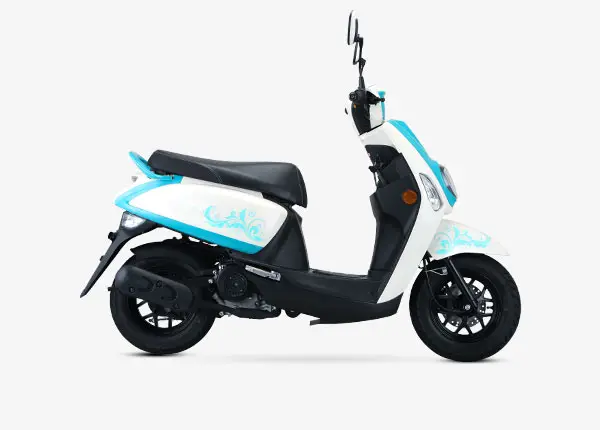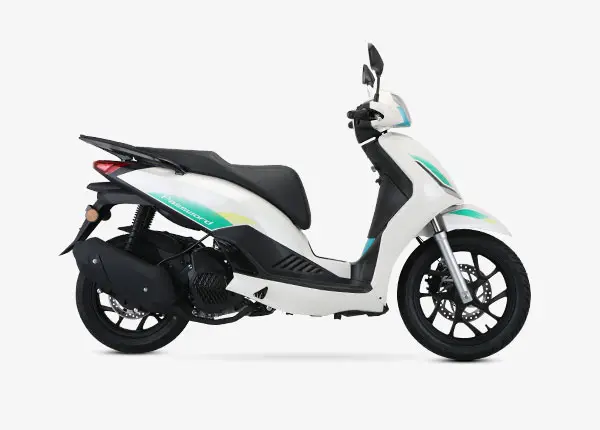
Recently, I’ve been getting a lot of questions about the differences between two-valve and four-valve motorcycle engines. I’ve also noticed that some riders even confuse valve configurations with two-stroke and four-stroke engines, which are completely different concepts.Today, I want to break down the real differences between two-valve and four-valve engines in a simple and practical way. We’ll look at how each design affects performance, fuel efficiency, maintenance, and overall riding experience, so you can clearly understand which type suits your needs.
Two-Valve vs Four-Valve Motorcycle Engines: What’s the Real Difference?
Two-valve engines provide stronger low-RPM torque, better fuel economy, and lower maintenance cost, while four-valve engines deliver higher high-RPM power and better top-end performance — making each ideal for different riding scenarios.
You will learn
An engine is the “heart” of a motorcycle, and the valves are its “breathing passages”—they control how the air-fuel mixture enters the cylinder and how exhaust gases exit after combustion.
The fundamental difference between two-valve and four-valve engines lies in the number and layout of these passages, which directly shapes the engine’s character and ideal use cases.
| Feature | Two-Valve Engine | Four-Valve Engine |
|---|---|---|
| Low RPM Torque | Strong | Moderate |
| High RPM Power | Limited | Excellent |
| Fuel Economy | Better | Slightly Worse |
| Maintenance Cost | Lower | Higher |
| Best Use | City / Daily Riding | Highway / Sport Riding |
I. Engine Structure Differences
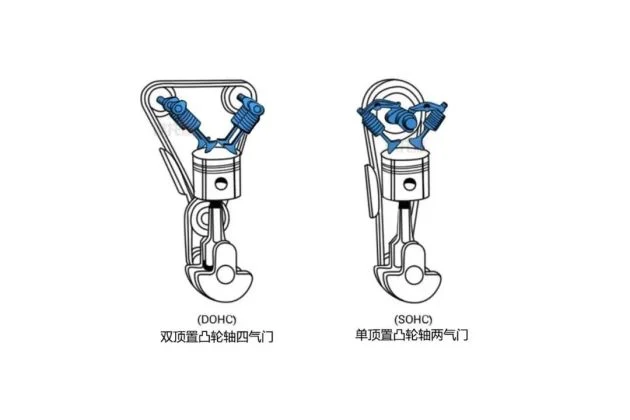
1. Two-Valve Engine (1 Intake + 1 Exhaust per Cylinder, SOHC)
The design is refreshingly simple. Each cylinder uses one intake valve and one exhaust valve, typically operated by a single overhead camshaft (SOHC). With fewer components and a compact layout, it’s like having a single door—easy to open, easy to maintain, and less likely to fail.
This mature and well-proven design keeps manufacturing and assembly straightforward, resulting in lower costs, high durability, and excellent reliability.
2. Four-Valve Engine (2 Intake + 2 Exhaust per Cylinder, DOHC)
A four-valve engine is structurally more complex. Each cylinder uses two intake valves and two exhaust valves, usually controlled by dual overhead camshafts (DOHC)—one for intake and one for exhaust. Additional components such as valve springs and rocker arms are required, effectively turning one “door” into a pair of wide double doors.
The increased part count demands higher machining precision and tighter assembly tolerances, which naturally leads to higher production and maintenance costs.
II. Key Differences: Power, Efficiency, and Real-World Use
1. Power Delivery: Strong Low-End Torque vs High-RPM Performance
Two-valve engines shine at low to mid RPM, typically between 2,000–5,000 rpm, where daily riding happens. Larger valves promote stronger air swirl, improving combustion efficiency and low-end torque. Throttle response is immediate—twist the grip and the bike moves without hesitation.
This makes two-valve engines ideal for city riding, stop-and-go traffic, hill climbing, and carrying loads. However, once revs climb beyond 6,000 rpm, the single intake and exhaust passages begin to restrict airflow, limiting top-end power and maximum speed.
Four-valve engines are built for high RPM performance. With a greater total valve area, they can inhale and exhale much more efficiently—like an athlete breathing deeply during a sprint. Above 6,000 rpm, power builds aggressively, delivering higher peak horsepower and superior top speed.
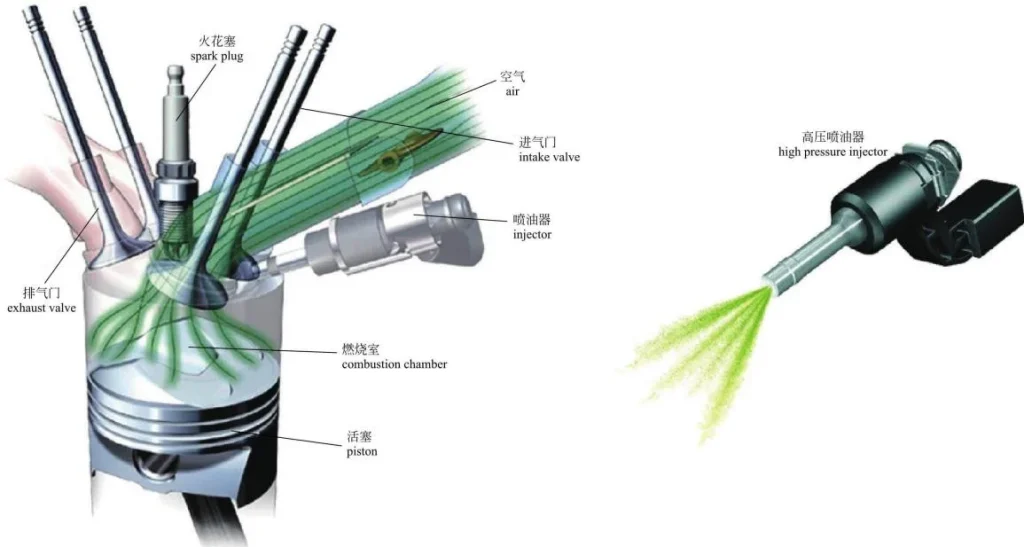
They excel on highways, mountain roads, and racetracks, where sustained high RPM is common. At low RPM, however, smaller valves reduce airflow velocity, making low-end response feel softer unless revs are kept up (modern tuning and technologies can mitigate this to some extent).
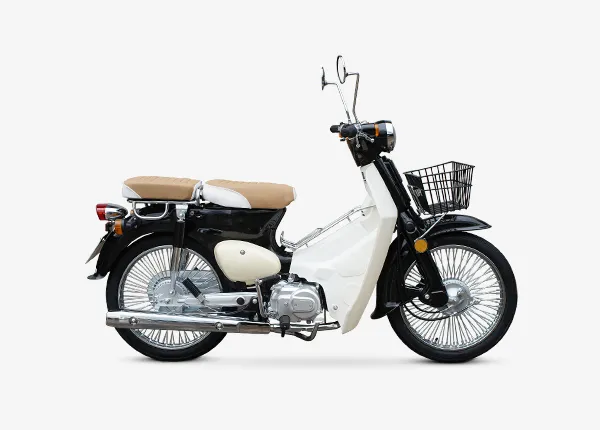
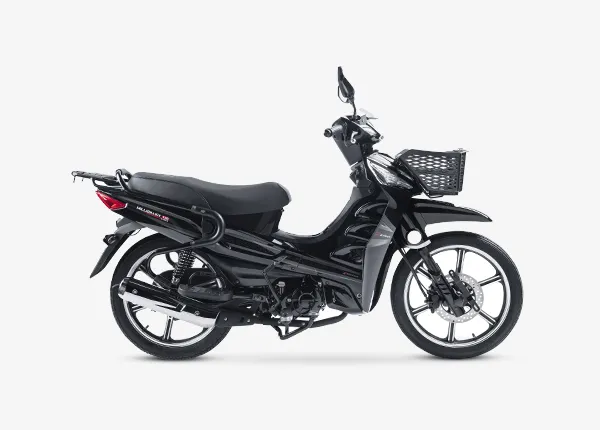
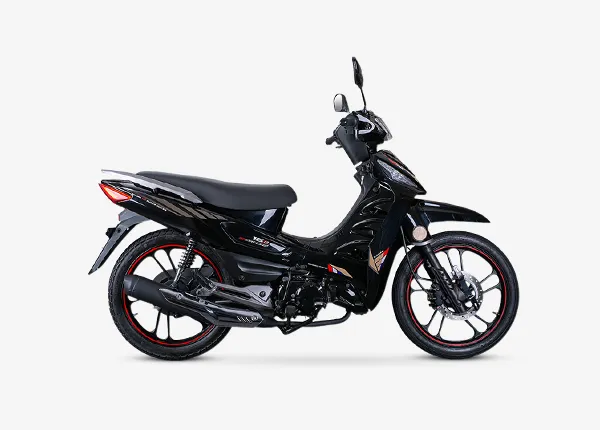
2. Fuel Economy & Maintenance: Easy Ownership vs Precision Care
Two-valve engines win on simplicity and cost. Fewer moving parts mean lower failure rates and excellent longevity—often 200,000 km without major overhauls when properly maintained. Valve clearance adjustments and part replacements are easier and cheaper, regular 92-octane fuel is sufficient, and fuel consumption is typically 5–8% lower than comparable four-valve engines (actual figures vary by tuning and riding conditions).
Four-valve engines demand more attention. The higher part count and increased valve-seat impact frequency can lead to issues such as valve sealing wear or oil consumption after 150,000–180,000 km, depending heavily on usage and maintenance quality. Valve clearance checks are usually required every 8,000 km, labor costs are 30–60% higher, and most models recommend 95-octane or higher fuel. Fuel consumption at low speeds is also slightly higher.
| Two-Valve Engines | Four-Valve Engines |
| Fewer moving parts → lower maintenance cost | More parts → higher maintenance requirements |
| Longer intervals for valve clearance adjustment | Valve clearance checks every ~8,000 km |
| Typically runs on 92-octane fuel | Often requires 95-octane fuel or higher |
| Fuel consumption ~5–8% lower than four-valve engines | Slightly higher fuel consumption at low RPM |
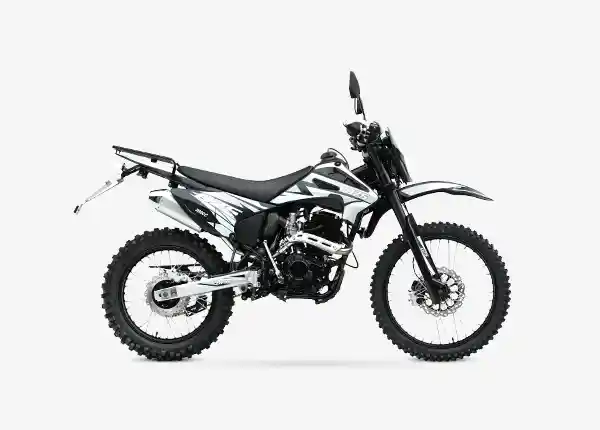
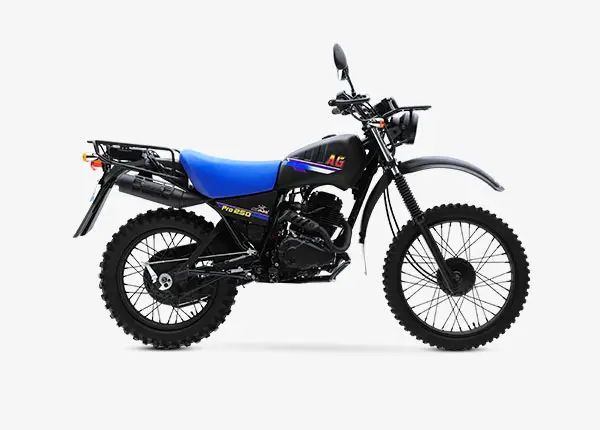
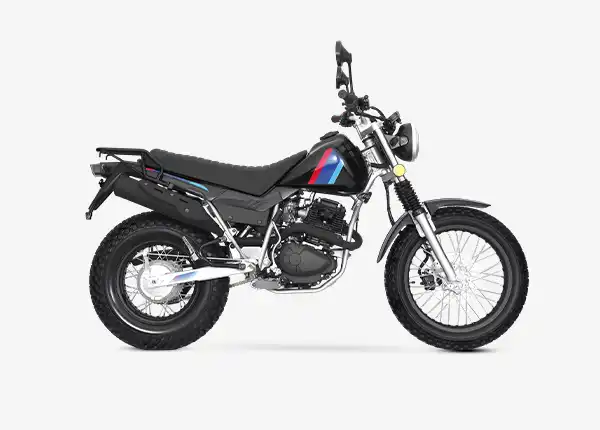
3. Noise & Reliability: Quiet and Tough vs High-Strung Performance
With fewer moving components, two-valve engines run smoother and quieter, with less friction and mechanical stress. Their robust nature makes them ideal for riders who prioritize dependability—commuters, delivery riders, and rural users.
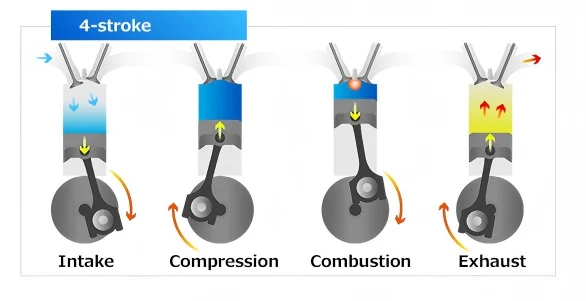
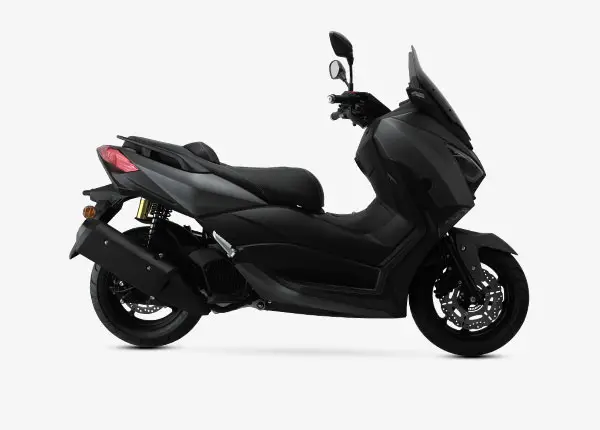
Four-valve engines, by contrast, involve more complex mechanical motion and higher precision requirements. They are slightly noisier in theory and more sensitive to oil quality and assembly accuracy. While not unreliable, they are undeniably more performance-oriented and less forgiving.
III. Which Should You Choose?
So, which is better—two-valve or four-valve? There’s no universal winner, only the engine that best matches your riding style.
Choose Two-Valve If:
- You mainly ride in the city(Mostly city riding, commuting, or short trips)
- You value durability, fuel economy, and low maintenance costs
- 80% of your riding is below 60 km/h
- You want strong low-end torque and hassle-free ownership
Choose Four-Valve If:
- You enjoy highway cruising or spirited mountain riding
- You chase higher top speed and high-RPM power
- You frequently ride long distances
- Performance matters more than maintenance simplicity