
Indonesia remains one of the world’s most important two-wheeler markets, and for distributors, the 110–150cc range continues to deliver the strongest balance of demand, affordability, and operational practicality. If you are building or expanding a dealership network, sourcing decisions in this segment will directly affect your sales velocity, warranty cost, and long-term profitability.
This guide is written for importers, distributors, and large dealers evaluating an underbone motorcycle supplier in Indonesia and comparing underbone and cub platforms for mass-market distribution. It focuses on practical procurement priorities: product fit, pricing structure, CKD/assembly options, and after-sales execution.

Indonesia’s 110–150cc Segment: Why It Matters for B2B Buyers
For most mainstream distributors, 110–150cc is the commercial core of the portfolio. According to data trends from the Indonesian Motorcycle Industry Association (AISI), this displacement bracket consistently dominates the non-scooter market share. The segment typically performs well because it aligns with real market constraints:
- Daily commuting needs in dense urban and peri-urban areas like Jakarta, Surabaya, and Medan.
- Fuel economy sensitivity among end users amid fluctuating local fuel prices.
- Price accessibility for first-time buyers and family households.
- Lower service complexity compared with higher-displacement models.
For B2B buyers, this means one thing: volume depends less on “headline specs” and more on the right combination of durability, running cost, and dealer serviceability.
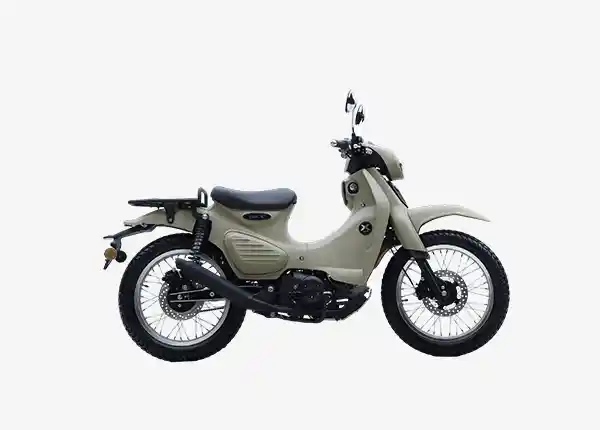
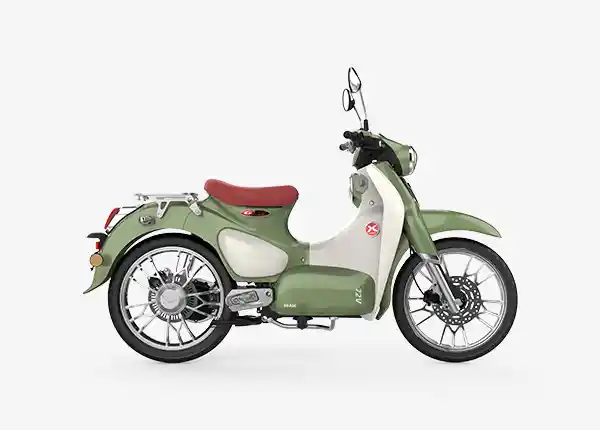
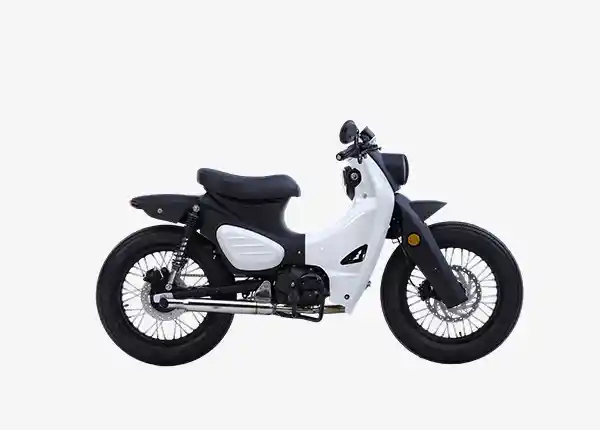
Underbone vs Cub: How to Position Each Product Line
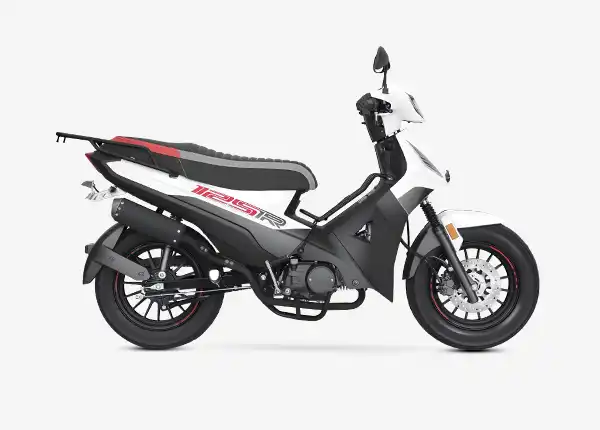
Although underbone and cub models often overlap in displacement, they do not play the same role in every dealership channel.
| Category | Best Suited For | Typical B2B Advantage |
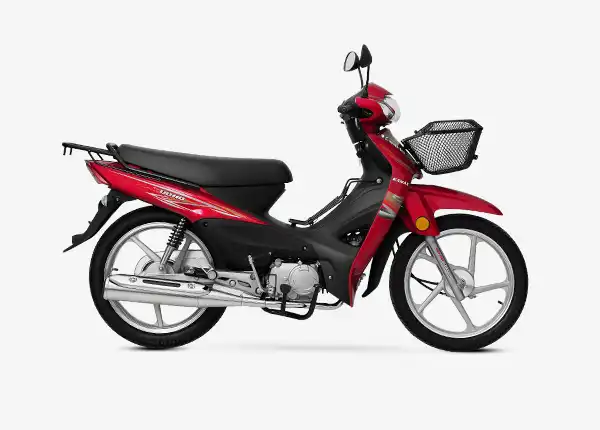
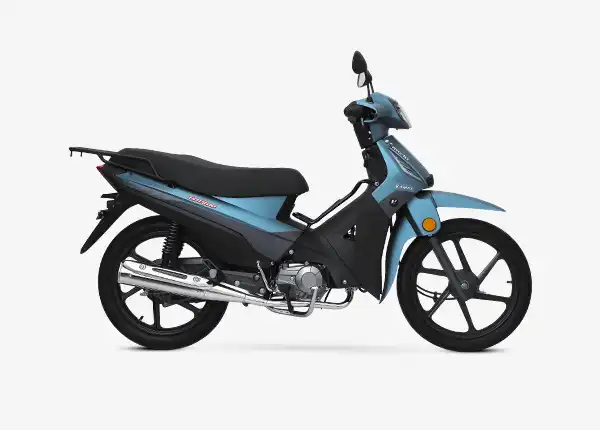
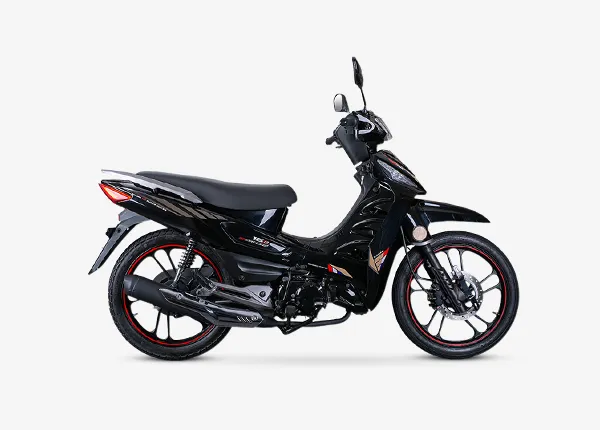
| Underbone (110–150cc) | Riders seeking practical commuting with a sportier image; younger urban buyers. | Better upsell potential through trim levels and sport-oriented design differentiation. |
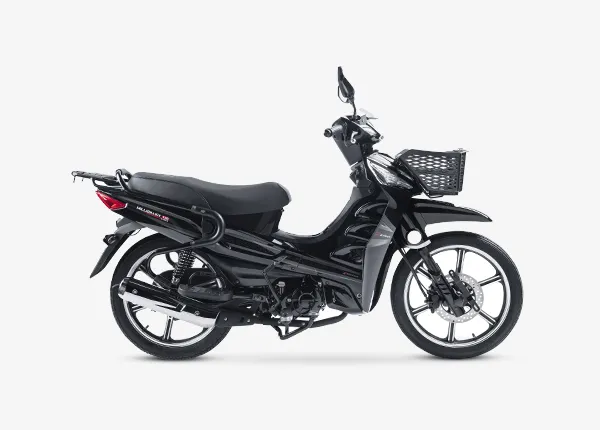
| Cub (110–125cc) | High-frequency daily commuting; fleet use; value-focused rural and suburban areas. | Broad mass-market acceptance; strong repeat demand; lower entry-level price point. |
For distributors, the winning strategy is usually a two-line portfolio: cub for high-turnover practical sales, underbone for margin and brand positioning.
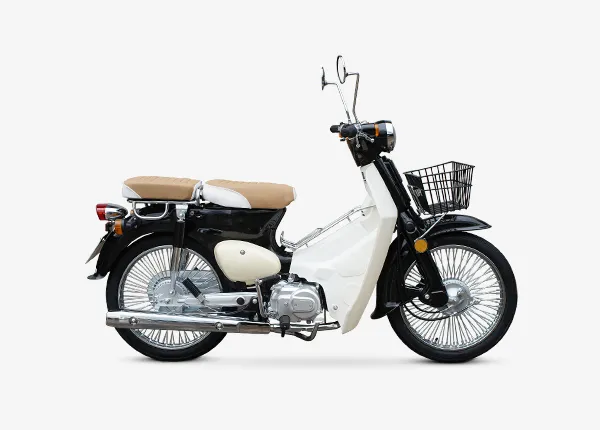
But There is a special Line- Classic Cub line
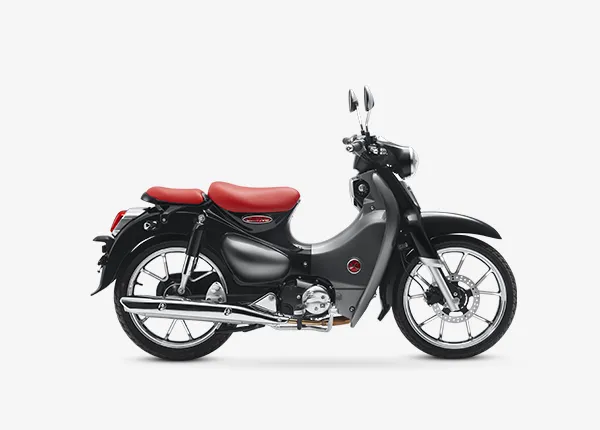
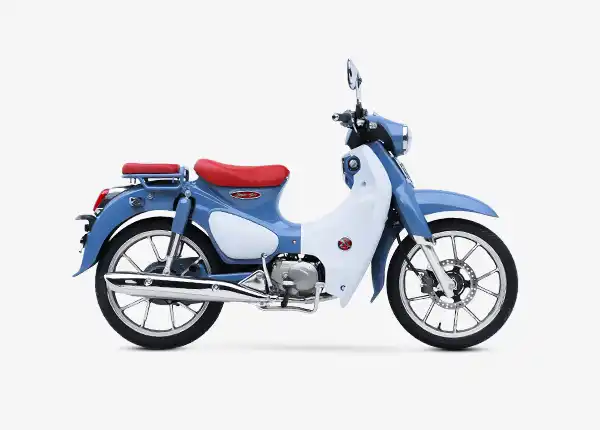
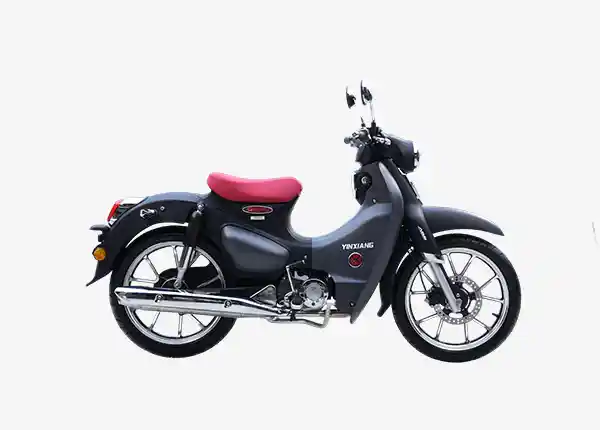
Classic Cub line bridges the gap between heritage design and mass-market affordability. Unlike standard utility cubs, these models target the ‘Modern-Classic’ trend, offering an accessible alternative to iconic high-end models like the Super Cub, available in both entry-level and premium configurations.
| Category | Best Suited For | Typical B2B Advantage |
| Retro Cub (110–125cc) | Lifestyle riders and enthusiasts who admire the classic Super Cub silhouette but seek better value for money. | High retail appeal in the “Modern-Classic” niche; distinct tiers (Standard vs. Premium) allow for wider price-point coverage. |
In Indonesia, the “Retro” movement is no longer a niche. While high-end heritage models are often priced as luxury items, there is a massive vacuum for a cost-effective Retro Cub that offers the classic silhouette (comparable to the Super Cub) at a fraction of the price.
- Lifestyle Appeal: Appeals to urban Gen Z and Millennials seeking “vintage vibes.”
- Dual-Tier Strategy: By offering both Standard and Premium trims, distributors can penetrate different price bands simultaneously.
Technical Specs Indonesian Distributors Should Prioritize
When evaluating an underbone motorcycle supplier in Indonesia, focus on field performance rather than brochure language. In our experience managing regional supply chains, the following criteria have the most direct impact on sell-through:
- Engine and Transmission: Proven 4-stroke reliability in tropical humidity; stable fuel consumption in stop-and-go traffic.
- Chassis and Suspension: Frame durability for mixed road quality; suspension setup that balances comfort and load stability.
- Braking and Safety: Front/rear braking setup suitable for dense urban traffic; high-quality electrical reliability (starter, charging, lighting) under heavy daily use.
- Serviceability: Easy access to maintenance points; standardized fasteners; clear parts coding for efficient inventory management.
A practical supplier should provide QC checkpoints and pre-shipment inspection (PSI) records—not just product sheets.
Pricing Structure: How Landed Cost and Margin Are Built
Many procurement teams compare only ex-factory unit price. In practice, a comprehensive B2B pricing model must include:
- Base unit cost by displacement and trim.
- Packaging efficiency (units per 40′ HQ container).
- Freight, insurance, and local import duties (including PPN and PPh in the Indonesian context).
- CKD assembly cost (if applicable).
- Spare parts initial package requirement.
- Warranty reserve and service campaign budget.
For mass-market programs, margin quality is determined by the parts failure rate and claim process efficiency. A lower factory price with weak spare parts support is often the more expensive option in the long run.
CKD vs CBU in Indonesia: Selecting the Right Supply Model
Choosing between CKD (Completely Knocked Down) and CBU (Completely Built Unit) is a strategic decision involving scale and local regulations.
- CBU may fit when: You need faster launch and lower initial operational complexity; volume is still in the validation stage.
- CKD may fit when: You are planning long-term scale; you need to optimize for local tax incentives and lower import duties; you have existing assembly and QC capability.
Distributor Insight: CKD success depends on kit consistency. Ask suppliers for a “CKD Readiness Package” including BOM control methods, assembly manuals, torque standards, and pilot build support.
Related Source: Cub Motorcycle 50cc 150cc Supplier: OEM & CKD for Southeast Asia Importers
Supplier Evaluation Framework
If your goal is stable growth, use a weighted scorecard to evaluate potential partners:
| Dimension | Key Performance Indicators (KPIs) |
| Product Reliability | Field test performance, defect rate trend, batch consistency. |
| Manufacturing | Welding quality control, engine test standards, end-of-line (EOL) inspection. |
| Commercial | MOQ flexibility, payment terms, lead-time stability. |
| After-Sales | Spare parts fill rate, technical documentation quality, claim cycle time. |
| Compliance | Export documentation accuracy, homologation support responsiveness. |
After-Sales Is the Real Profit Engine
In the 110–150cc segment, distributors lose customer trust fastest through parts shortages. Before placing volume orders, define these KPIs with your supplier:
- Spare parts first-fill rate target (ideally >95%).
- Replenishment lead time for critical fast-moving parts.
- Warranty claim response SLA.
- Quarterly field quality review cadence.
Always align on a starter spare parts matrix covering engine consumables, brake wear components, and high-frequency body parts.
Common Procurement Mistakes in Indonesia Programs
Avoid these frequent pitfalls we’ve observed in the market:
- Choosing by ex-factory price while ignoring the Total Cost of Ownership (TCO).
- Underestimating the training needs of the local dealer service network.
- Launching too many SKUs without sufficient parts depth for each.
- Weak QC visibility before the shipment leaves the factory.
Recommended B2B Procurement Workflow
A repeatable sourcing workflow improves both control and speed:
- Define Target Segment: Identify price band, rider profile, and channel type.
- RFQ Package: Build a technical and commercial Request for Quotation.
- Scorecard Comparison: Evaluate suppliers based on the framework in Section 6.
- Field Pilot: Validate samples and run real-world road tests.
- KPI Negotiation: Lock in volume terms and after-sales service KPIs.
- Launch Readiness: Ensure parts and warranty processes are active before the first unit is sold.
FAQ for Indonesian Distributors
What displacement range is most practical for mass-market distribution?
110–150cc remains the most scalable range due to high demand, lower operating costs, and easier service management.
Should we start with underbone or cub models?
Cub models offer faster turnover for broad volume, while underbone models are excellent for brand differentiation and higher margins.
Is CKD always cheaper than CBU?
Only at scale. CKD requires disciplined assembly and technical support but offers significant tax advantages and cost structure flexibility over time.
What should we audit first in a supplier?
Prioritize reliability consistency and spare parts readiness. These affect your long-term profitability more than the initial unit price.
Conclusion
Indonesia’s 110–150cc market offers significant B2B potential, but scale comes from operational discipline, not only attractive pricing. For distributors, the right path is a balanced portfolio, a transparent landed-cost model, and supplier partnerships built around quality consistency and after-sales execution.
If you are currently evaluating an underbone motorcycle supplier in Indonesia, focus on those who demonstrate an understanding of local field conditions and parts availability. These are the partners who will help you build a profitable, long-term program.
Related:
Best Motorcycle Segments ASEAN 2026: The Distributor’s Strategic Guide
How to Audit Motorcycle OEM Factory Before Your First Order
Motorcycle Homologation in Southeast Asia: The Ultimate 2026 Compliance & Launch Guide