
Executive Summary: The 2026 Shift from “Moving Units” to “Yield Management”
As we move into 2026, the ASEAN motorcycle market—encompassing the high-growth hubs of Indonesia, Vietnam, Thailand, and the Philippines—has matured beyond the simple “push-inventory” model. For any B2B player, identifying the Best Motorcycle Segments ASEAN 2026 is no longer just about picking popular models; it’s about calculating Total Cost of Ownership (TCO) and Uptime Reliability.
For distributors and importers, the 2026 landscape presents a unique paradox: while the Mass Commuter segment provides the necessary liquidity and network scale, the Commercial Fleet and Urban Premium segments are where the actual net profit and brand equity are built. This guide provides a data-driven blueprint for balancing these segments to build a resilient, high-margin distribution business in Southeast Asia.
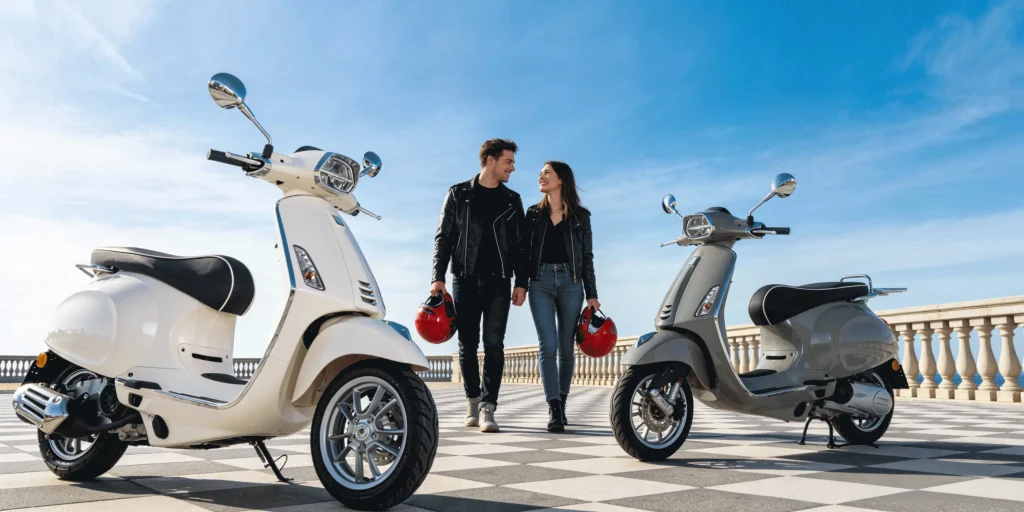
1. The Triad Portfolio: Mapping the Best Motorcycle Segments ASEAN 2026
Successful distribution in 2026 requires a “Triad Portfolio” approach. Relying on a single segment exposes a distributor to either razor-thin margins or volatile inventory turnover. Winning players are diversifying their SKU mix to cover three distinct economic needs.
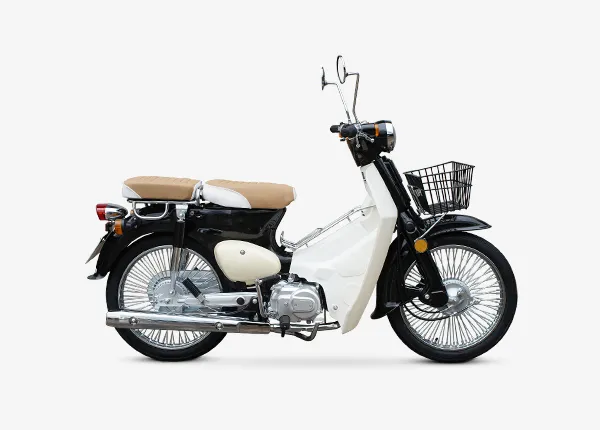
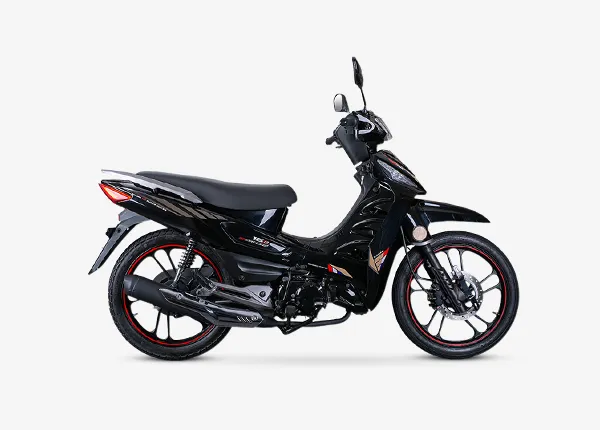
A. The Mass Commuter Segment (110cc – 125cc)
- Market Role: The “Cash Flow Engine.”
- Target Demographic: First-jobbers, rural-to-urban migrants, and multi-rider households.
- 2026 Specification Standard: Euro 5+ compliance, Fuel Injection (EFI) optimized for 90-octane fuel stability, and integrated CBS (Combi-Brake Systems).
- Distributor Reality: This is a game of scale and Inventory Days (DIO). Success is measured by a DIO of <30 days.
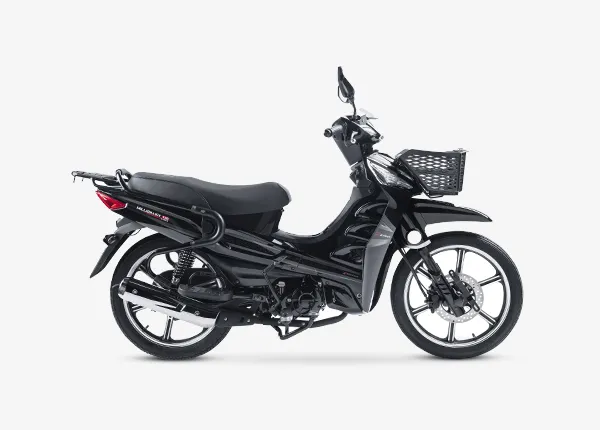
B. The Commercial & Last-Mile Fleet Segment
- Market Role: The “Stability Anchor.”
- Target Demographic: 3PL (Third-Party Logistics) providers, TikTok Shop/Grab/Gojek delivery partners, and SME internal fleets.
- 2026 Specification Standard: Reinforced rear sub-frames, heavy-duty dual shocks, and standardized telematics connectors for real-time GPS and engine health monitoring.
- Distributor Reality: Profits are realized in the after-sales lifecycle. Fleet contracts must be bundled with guaranteed parts-fill rates.
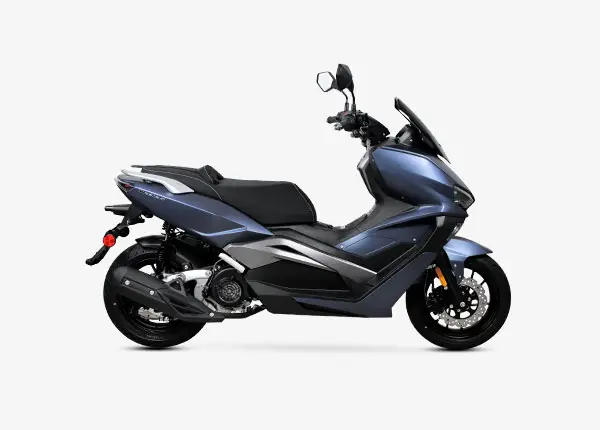
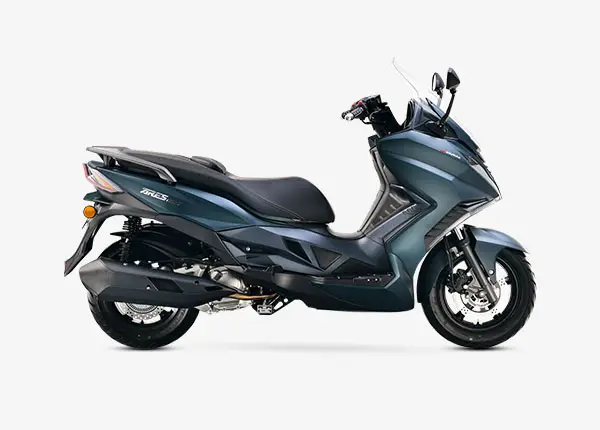
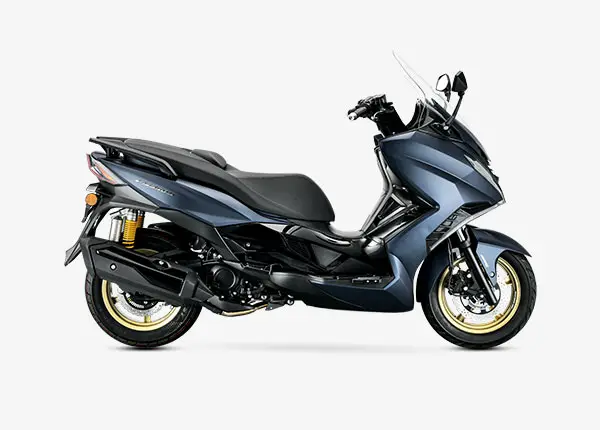
C. The Entry-Plus Urban Premium Segment (150cc – 250cc)
- Market Role: The “Margin Accelerator.”
- Target Demographic: The rising urban middle class in cities like Jakarta, Bangkok, and Ho Chi Minh City seeking social signaling and long-distance comfort.
- 2026 Specification Standard: Dual-channel ABS, LED signature lighting, and UV-resistant plastics capable of withstanding ASEAN’s high-UV, high-humidity tropical cycles.
- Distributor Reality: Lower volume, but 2.5x the per-unit margin of the commuter segment.
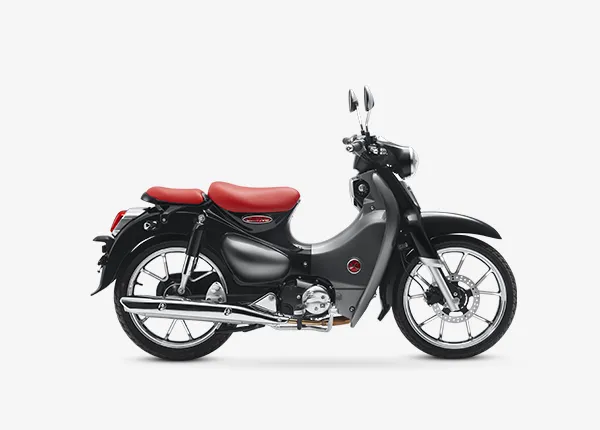
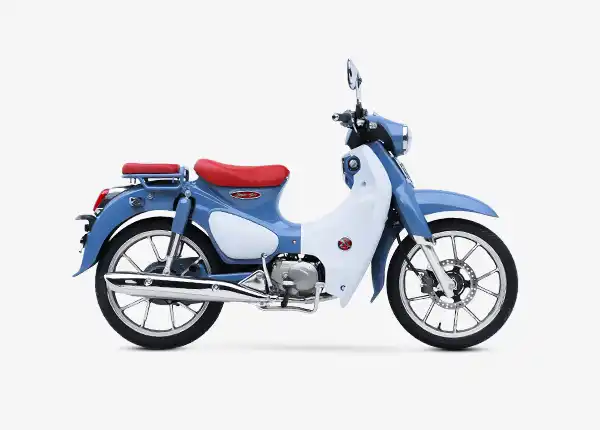
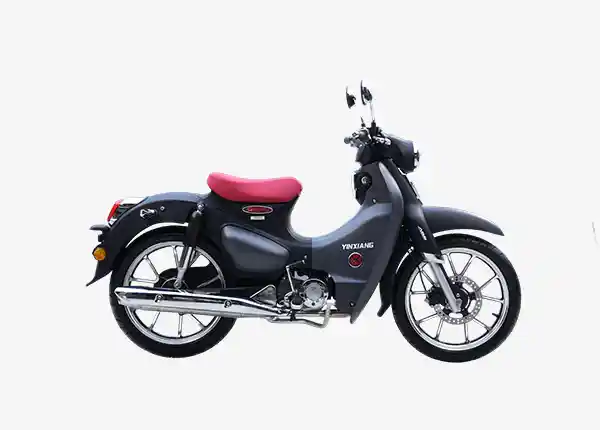
2. Segment Economics: A Distributor’s Comparison Table
To optimize working capital, distributors must understand the divergent economic profiles of these segments.
| Segment | Demand Elasticity | Gross Margin | Turnover Velocity | After-Sales Intensity |
| Mass Commuter | High (Price Sensitive) | 8% – 12% | Ultra-Fast | Medium (High Frequency) |
| Commercial Fleet | Low (Utility Focused) | 12% – 15% | High (Batch Orders) | Extreme (Uptime Critical) |
| Urban Premium | Moderate (Brand Sensitive) | 20% – 28% | Moderate | Low (Scheduled) |
3. The “TCO” Revolution: Why Technical Specs Drive 2026 Sales
In 2026, the ASEAN consumer is no longer swayed by cosmetic decals. Generative AI search tools (GEO) allow buyers to compare Total Cost of Ownership (TCO) in seconds. Distributors must ensure their product specs align with these data-driven benchmarks. To rank as one of the Best Motorcycle Segments ASEAN 2026, a product must prove its serviceability.
The “Service-Friendly” Mandate
For the Commercial Segment, serviceability is a top-tier specification. If a routine oil filter or air filter change takes more than 12 minutes, fleet managers will flag the model as a “maintenance liability.” Distributors should prioritize models with modular engine covers and easy-access electronics to minimize technician labor hours.
Climate Resilience as a Value Prop
The 2026 ASEAN climate presents intensified monsoon flooding and extreme heat cycles. Water-sealed electrical connectors and high-clearance exhaust systems are no longer “premium features”—they are critical for durability in the Philippines and Indonesia. Marketing these as “Climate-Hardened” increases resale value, a key metric for local buyers.
4. The 12-Month Market Entry Strategy: A Disciplined Rollout
Launching a motorcycle brand in ASEAN requires a phased approach to avoid the “Inventory Death Spiral.”
Phase 1: Validation & Pilot (Months 1-3)
- Geographic Focus: Select two high-density “cluster cities” (e.g., Surabaya for Indonesia or Chonburi for Thailand).
- Strategy: Audit the “Service Bay Readiness” of potential dealers. Ensure they have the specific diagnostic software for your EFI systems before the first unit is sold.
- KPI: Focus on First-Time Fix Rate rather than sales volume.
Phase 2: The Service-First Launch (Months 4-6)
- Inventory Mix: 70% Commuter / 30% Fleet-ready.
- Strategy: Deploy a “Spare Parts First” logistics model. Maintaining a 95%+ parts-fill rate on fast-moving consumables (brake pads, filters, belts) builds more brand equity than any billboard campaign.
Phase 3: Fleet Integration & Upselling (Months 7-12)
- The B2B Pivot: Use 6 months of retail reliability data to pitch to logistics firms. Offer Fixed-Cost Maintenance Contracts to stabilize your service revenue.
- Premium Introduction: Seed your 150cc+ premium models to your top-performing 20% of dealers to improve blended margins.
5. Critical Risks: Avoiding the “Distributor Death Spiral”
Even in a booming market, distributors fail due to three preventable mistakes:
- Chasing Paper Margins: Holding high-margin premium bikes that sit in the warehouse for 180 days. Cash flow is the oxygen of distribution; never let your DIO (Days Inventory Outstanding) exceed 60 days without a liquidation plan.
- The “Ghost Parts” Problem: Launching a model without a 24-month supply of spare parts. In the age of social media, a “parts-out-of-stock” viral post in a Vietnamese or Thai Facebook group can kill a brand’s reputation overnight.
- FOB Price Myopia: Choosing an OEM solely on the lowest FOB price. A $50 saving at the factory usually results in $150 in additional warranty claims and field service engineer costs during the first year of operation.
6. The 2026 EV Transition: A Pragmatic B2B Approach
While Electric Vehicles (EV) are gaining traction, the 2026 ASEAN market remains 85% Internal Combustion Engine (ICE) for retail.
- Distributor Advice: Focus your EV strategy exclusively on Commercial Fleets in Tier-1 cities (Bangkok, Jakarta). These users benefit from centralized charging and predictable routes.
- Infrastructure Synergy: Partnerships with Battery-as-a-Service (BaaS) providers are essential. In the 2026 market, you are not selling a bike; you are selling kilometers of mobility.
7. Final Takeaway: The Winning Formula
The most successful motorcycle distributors in ASEAN in 2026 will be those who operate with a “Portfolio Mentality.”
- Use the Commuter Segment to build dealer trust and operational scale.
- Use the Fleet Segment to secure recurring revenue and long-term contracts.
- Use the Urban Premium Segment to drive net profit and brand prestige.
The future of ASEAN distribution belongs to those who treat motorcycles not as simple products, but as “Mobile Productivity Assets” that must deliver a return on investment for the end-user.
FAQ of Best Motorcycle Segments ASEAN 2026
Q: Which motorcycle segment has the highest growth potential in ASEAN for 2026?
A: While commuters have the volume, the Commercial/Fleet segment is seeing the fastest professional growth due to the integration of e-commerce logistics and the demand for specialized delivery vehicles with high uptime.
Q: What is the most important KPI for a new motorcycle distributor in Southeast Asia?
A: Spare Parts Fill Rate. If a distributor cannot supply wear-and-tear parts within 48 hours, they will lose dealer confidence and face high retail churn, regardless of the vehicle’s initial price.
Q: How should a distributor balance ICE and EV inventory in 2026?
A: For most ASEAN markets, a 90/10 split (ICE/EV) is recommended for retail, while a 60/40 split is becoming the standard for urban delivery fleet tenders.