Quick Answer: How Do You Import Motorcycles from China?
To import motorcycles from China, a B2B buyer should first define the target market, choose suitable motorcycle categories, decide whether CBU, SKD, or CKD supply is appropriate, request a quotation from a qualified manufacturer, confirm MOQ and lead time, prepare import documents, check local compliance requirements, arrange production inspection, plan shipping, and prepare spare parts and after-sales support before launch.
For importers and distributors, the goal is not only to buy motorcycles at a competitive price. The real goal is to build a supply system that can support sales, service, repeat orders, and long-term market growth.
KAMAX is a China motorcycle manufacturer founded in 2001, with 3 manufacturing bases and exports to 80+ countries. KAMAX supports qualified B2B buyers with factory-direct supply, OEM/ODM cooperation, CKD/SKD discussions, export documentation, spare parts planning, and after-sales coordination.
About this Article
Who This Guide Is For
This guide is written for motorcycle importers, distributors, wholesalers, dealer groups, CKD/SKD assemblers, trading companies, and brand owners evaluating motorcycle import from China.
It is not written for someone buying one motorcycle for personal use. A B2B motorcycle import project is a different kind of decision. It involves product-market fit, landed cost, local regulations, dealer confidence, spare parts, service support, and repeat supply.
Many new buyers start by asking, “What is your best price?” That is understandable. But experienced importers know that price only becomes meaningful after the market, model, configuration, supply form, documents, and after-sales plan are clear.
A motorcycle may look attractive in a catalog. The harder question is whether your local dealers can sell it, service it, and reorder it profitably.
Step 1: Define Your Market Before You Request a Quotation
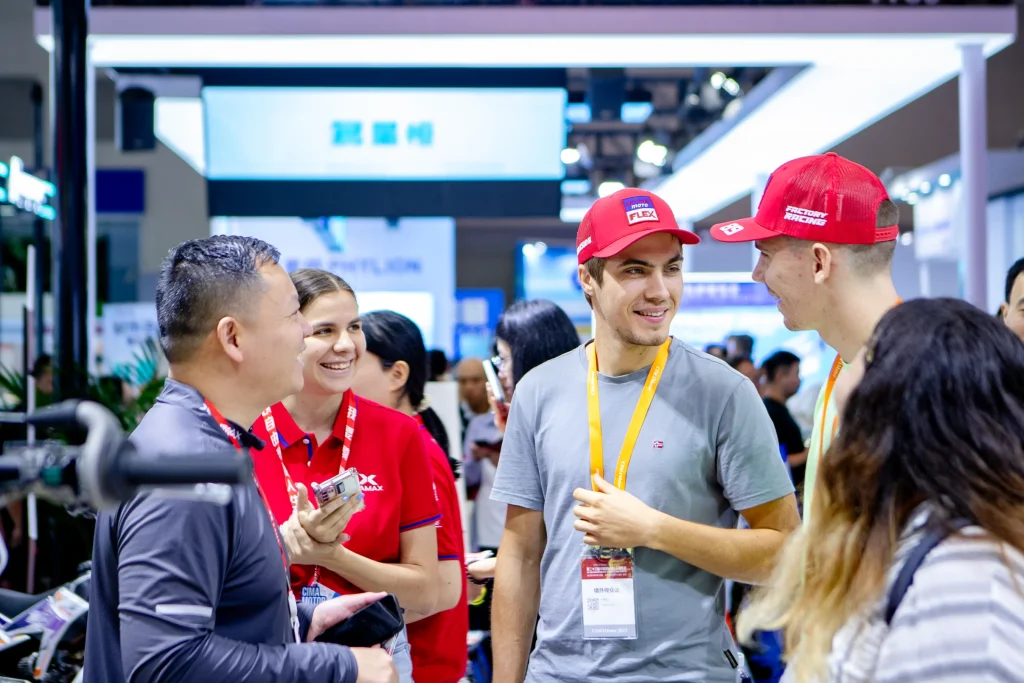
Before contacting a motorcycle manufacturer in China, start with your market. The same model can be a good choice in one country and a poor choice in another.
A serious importer should be ready to answer these questions:
- Which country or region are you targeting?
- Are you selling through dealers, wholesalers, fleet channels, or your own retail network?
- What engine displacement is common in your market?
- Are buyers more sensitive to price, fuel economy, durability, design, or brand identity?
- Are roads mostly urban, rural, mixed, or off-road?
- Do you already have a service network?
- Do you need CBU, SKD, CKD, OEM, ODM, or private label support?
- Are there local certification, emission, or registration requirements?
For example, many African markets need practical commuter motorcycles with fuel efficiency, durable parts, and easy maintenance. Southeast Asian markets may have stronger demand for Cub, underbone, and scooter models. Latin American markets may combine commuter, Cub, dirt bike, and off-road demand depending on the country.
A good manufacturer cannot recommend the right motorcycle without understanding the market you are trying to serve.
Related Source: OEM vs ODM Motorcycles: Which Model Fits Your Market?
Step 2: Choose the Right Motorcycle Category
Importers should not build a product line only by choosing models that look good. The better approach is to match product categories to real market use cases.KAMAX Motorcycles
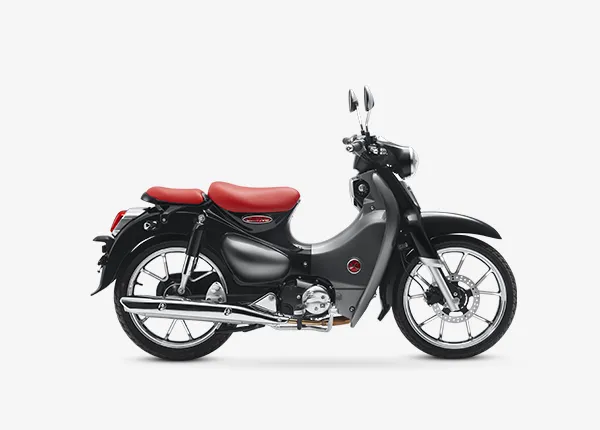
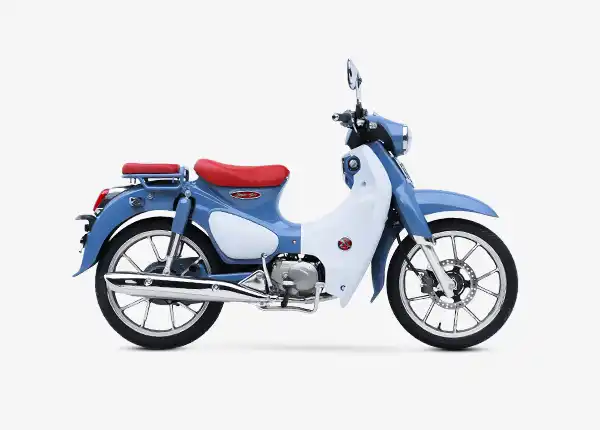
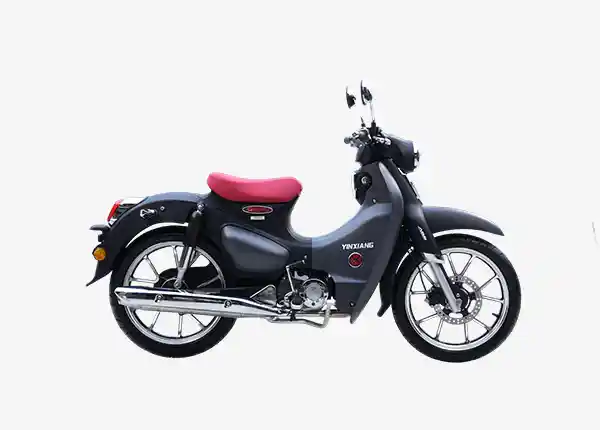
Cub Motorcycles
Cub motorcycles are suitable for markets where daily commuting, simple operation, and practical design matter. They can work well for distributors building a recognizable, easy-to-sell product line.
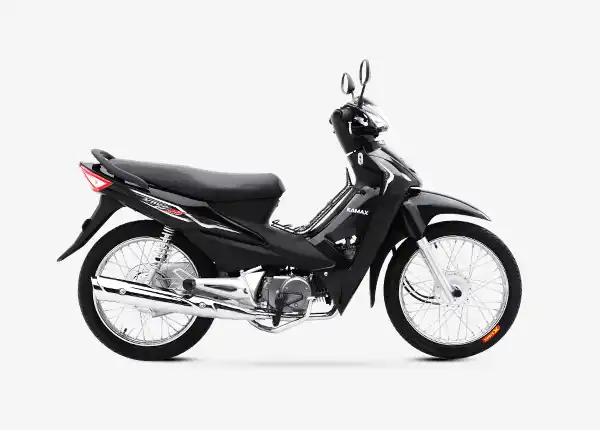
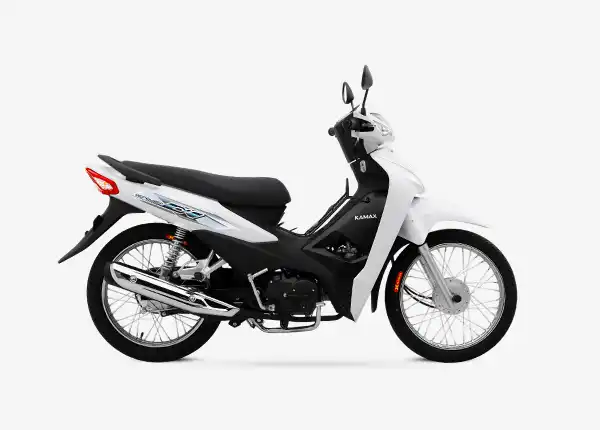
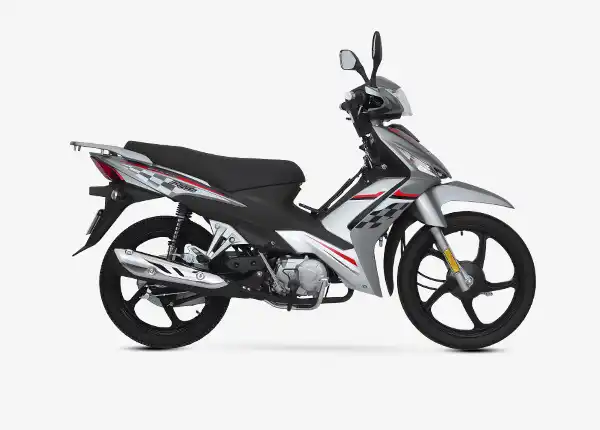
Commuter Motorcycles
Commuter motorcycles are often the backbone of a dealer network. They are usually selected for fuel economy, durability, affordable maintenance, and everyday use.
Scooters
Scooters can fit urban mobility, delivery users, short-distance commuting, and markets where easy handling is important.
Dirt Bikes and Off-Road Motorcycles
Dirt bikes and off-road motorcycles are better suited for specialist dealers, rural use, leisure riding, sport channels, or markets with strong off-road culture.
Street Motorcycles
Street motorcycles can help distributors build a more visually distinctive product line, especially in urban retail markets where design and riding image influence buyer choice.
Electric Motorcycles
Electric motorcycles should be evaluated carefully. Demand depends on charging infrastructure, battery expectations, local policy, after-sales capability, and consumer acceptance. In some markets they are promising; in others, petrol motorcycles remain more practical.
The right model is not always the newest model. It is the model your market can understand, maintain, and buy again.
Step 3: Decide Between CBU, SKD, and CKD
When importing motorcycles from China, buyers often need to choose between CBU, SKD, and CKD supply.
CBU: Complete Built Unit
CBU motorcycles are supplied as complete units. This is usually the simplest route for importers who want faster launch and lower operational complexity.
CBU may be suitable if you are testing a new market, do not have assembly capability, or want to supply dealers quickly.
SKD: Semi Knocked Down
SKD motorcycles are supplied partially assembled and require some local assembly. The exact structure depends on the model and project.
SKD may be suitable for buyers with basic assembly capability, local policy considerations, or a phased plan before deeper localization.
CKD: Completely Knocked Down
CKD motorcycles are supplied in a more disassembled form for local assembly. CKD can support localization strategies, but it requires assembly management, trained workers, parts control, quality inspection, and long-term volume planning.
CKD is not automatically better than CBU. It can be a good choice when the buyer has the right market, policy environment, technical capability, and order volume. Without those conditions, CKD can create more risk than benefit.
Related Source: Motorcycle CKD vs SKD vs CBU Explained | China Motorcycle Factory Guide
Step 4: Send a Serious Inquiry to the Manufacturer
A strong inquiry gets a stronger answer.
Instead of sending only “Please send price,” provide a short project brief. This helps the manufacturer recommend suitable models, supply forms, documents, and cooperation options.
A good motorcycle import inquiry should include:
- Target country
- Buyer type: importer, distributor, dealer group, assembler, trading company, fleet buyer, or brand owner
- Interested motorcycle category
- Estimated first order quantity
- Annual volume target if available
- Preferred supply form: CBU, SKD, CKD, OEM, ODM, or private label
- Required engine displacement
- Certification or document requirements
- Branding or customization needs
- Expected launch timeline
- Spare parts and after-sales expectations
This is also a useful filter. A professional manufacturer will ask follow-up questions about your market, not only push a price list.
Related Source: How Importers and Distributors Can Choose a Reliable Motorcycle Manufacturer in China
Step 5: Confirm MOQ, Lead Time, Payment Terms, and Samples
MOQ and lead time are not fixed numbers for every motorcycle project. They depend on the model, configuration, color, branding, packaging, supply form, production schedule, and certification requirements.
In general:
- Standard models are usually easier to quote and prepare.
- Private-label projects need more confirmation.
- SKD and CKD projects need more packaging and documentation planning.
- Special colors, decals, or component changes may affect MOQ and lead time.
- Sample discussions depend on model availability and project type.
Buyers should confirm commercial details before production, including quantity, specification, payment terms, inspection expectations, spare parts, delivery terms, and required documents.
This is where many problems can be prevented. A clear order before production is much cheaper than a misunderstanding after shipment.
Related Source: How to Audit Motorcycle OEM Factory Before Your First Order
Step 6: Prepare Motorcycle Import Documents
Motorcycle import documents vary by country, but common documents may include:
- Commercial invoice
- Packing list
- Bill of lading
- Certificate of origin
- Product specification sheet
- Engine and VIN-related information where applicable
- Test or compliance documents where applicable
- Spare parts list
- User manual or service documents where required
Buyers should confirm destination-market requirements before placing an order. Some countries may require homologation, emission approval, safety certification, local registration documents, or other technical files.
KAMAX can support export documentation and technical communication for qualified projects. However, final import approval, customs clearance, homologation, and registration depend on destination-market authorities and importer-side responsibilities.
A serious supplier should help prepare the documents. But no responsible supplier should casually promise approval in every country without checking the actual requirements.
Step 7: Manage Production, Quality Control, and Inspection
Once the order is confirmed, the specification must stay clear. Many import problems come from details that were never properly confirmed: color, tires, lights, decals, accessories, packaging, spare parts, or document requirements.
A professional production process should include:
- Confirmed model and specification
- Production scheduling
- Parts preparation
- Assembly and quality control
- Final inspection before shipment
- Packaging confirmation
- Container loading arrangement
For distributors, quality is not only about the first container. It is about consistency across repeat orders. Dealers lose confidence when the product changes unexpectedly or when spare parts do not match the motorcycles already sold.
That is why inspection and communication are not administrative details. They protect your market reputation.
Step 8: Plan Packaging, Container Loading, and Shipping
Good packaging protects the motorcycles before they reach your warehouse. Poor packaging can turn a good product into a damaged shipment.
Before shipping, buyers should confirm:
- Packaging method
- CBU, SKD, or CKD packing structure
- Quantity per container
- Parts packing and labeling where applicable
- Protection for key components
- Loading photos or inspection records where available
- Shipping documents
For SKD and CKD projects, packaging is even more important. If parts are not labeled clearly, the local assembly team may face delays, mistakes, missing parts, or extra labor cost.
A good shipping plan is not only about freight. It is about making sure the buyer can receive, unload, assemble if needed, distribute, and sell without unnecessary surprises.
Step 9: Prepare for Local Launch
Importing motorcycles does not end when the container arrives. The local launch needs planning too.
Before shipment arrives, buyers should prepare:
- Freight forwarder and customs broker
- Warehouse or unloading area
- Import duty and tax confirmation
- Local assembly site if SKD or CKD is used
- Dealer launch plan
- Spare parts storage
- Service communication
- Product training where needed
- Registration or compliance steps where applicable
Many new importers spend too much time negotiating the first order and too little time preparing the market. A container in the warehouse is not success. Success begins when dealers can sell confidently and customers can get service support.
Step 10: Plan Spare Parts Before the First Shipment
Spare parts should not be an afterthought. For motorcycle distributors, spare parts are part of the product.
A spare parts plan may include:
- Fast-moving parts
- Wear parts
- Common service items
- Model-specific parts list
- Recommended first-order spare parts package
- Service documents where applicable
- A process for future parts orders
Dealers are more willing to promote a model when they know parts are available. End users are more confident when service is realistic. A weak spare parts plan can damage a new brand faster than slow sales.
KAMAX supports spare parts planning and after-sales communication for qualified B2B buyers, helping importers prepare for the first shipment and future repeat orders.
Common Mistakes to Avoid When Importing Motorcycles from China
1. Comparing Only Unit Price
The lowest unit price is not always the lowest business cost. Poor documentation, unstable specifications, weak packaging, slow communication, or missing spare parts can cost more after the shipment.
2. Asking for Price Without Project Details
If the supplier does not know your country, quantity, category, supply form, and document requirements, the quotation will be too general to support a real decision.
3. Ignoring Compliance Before Production
Compliance should be checked early. Waiting until the motorcycles arrive can create delays, storage cost, or registration problems.
4. Choosing Models Without Spare Parts Planning
A model is not ready for the market if dealers cannot support it after sale.
5. Moving Into CKD Too Early
CKD can be useful, but it requires operational readiness. Some buyers should begin with CBU or SKD before building deeper assembly capability.
6. Over-Customizing Before Market Validation
Customization can help brand differentiation, but too much customization before proving demand can increase cost and risk.
7. Treating the First Order as a One-Time Deal
Motorcycle importing is a repeat business. The first order should be planned with long-term supply, parts, dealer development, and service support in mind.
How KAMAX Supports Motorcycle Importers
KAMAX works with international B2B buyers who need more than a catalog and a price list. Some buyers want to test the market with selected CBU models. Some need distributor supply and spare parts continuity. Some are evaluating SKD or CKD assembly. Others want OEM/ODM or private-label cooperation to build their own brand.
KAMAX can support qualified buyers with:
- Motorcycle model selection
- Factory-direct supply
- Cub, commuter, scooter, dirt bike, off-road, street, and electric model discussions
- OEM/ODM and private-label cooperation
- CKD/SKD feasibility discussions
- Export documentation support
- Spare parts planning
- Technical communication
- After-sales coordination
- Long-term supply planning
The best way to start is to share your target country, business type, preferred motorcycle category, expected order volume, supply form, and cooperation goal. With this information, KAMAX can recommend a more practical import plan instead of only sending a general price list.
FAQ: Importing Motorcycles from China
Can I import motorcycles directly from a Chinese manufacturer?
Yes. Many importers, distributors, dealers, and trading companies import motorcycles directly from Chinese manufacturers. For B2B buyers, direct factory cooperation can support clearer product communication, model planning, export coordination, and long-term supply.
What documents are needed to import motorcycles from China?
Common documents may include commercial invoice, packing list, bill of lading, certificate of origin, product specifications, and compliance-related documents where applicable. Exact requirements depend on the destination country.
What is the MOQ for importing motorcycles?
MOQ depends on model, configuration, color, packaging, supply form, and production planning. CBU, SKD, CKD, OEM, ODM, and private-label projects may have different MOQ requirements.
Should I import CBU, SKD, or CKD motorcycles?
CBU is usually simpler for market entry. SKD may suit buyers with basic assembly capability or local policy considerations. CKD is more suitable for buyers with assembly operations, technical staff, quality control, and long-term localization plans.
Can I use my own brand on motorcycles imported from China?
For qualified projects, private-label or OEM/ODM cooperation may be discussed. Buyers should prepare brand requirements, target market, model category, order volume, design expectations, and certification needs.
How long does motorcycle production usually take?
Production lead time depends on model, order quantity, configuration, customization level, and current factory schedule. Buyers should confirm lead time before placing the order.
Does KAMAX support spare parts for importers?
Yes. KAMAX can support spare parts planning for qualified B2B buyers. Spare parts should be considered before the first shipment so distributors and dealers can prepare service support.
Can KAMAX guarantee homologation approval in my country?
KAMAX can support technical documentation and preparation where applicable, but final homologation, registration, and import approval depend on destination-market authorities, local regulations, and importer-side responsibilities.
Ready to Import Motorcycles from China?
If you are planning to import motorcycles from China, start with a clear project brief.
Tell KAMAX your target country, business type, preferred motorcycle categories, estimated volume, required supply form, and cooperation goal. The KAMAX team can help recommend suitable models, export documentation support, spare parts planning, and cooperation options for your market.
Request a B2B Import QuotationDownload Motorcycle Catalogue