Short Answer
For most emerging market distributors in 2026, electric motorcycles are best suited for urban commuting, last-mile delivery, short-distance fleet use, and markets with reliable charging access or government support. Gasoline motorcycles remain stronger for rural areas, long-distance riding, rough roads, cargo use, price-sensitive buyers, and markets where fuel-powered models already have mature service networks.
The best strategy is usually not electric-only or gasoline-only. For many importers and distributors, the stronger approach is a balanced portfolio: gasoline motorcycles for proven high-volume demand, and selected electric motorcycles for urban growth, fleet projects, and future market positioning.
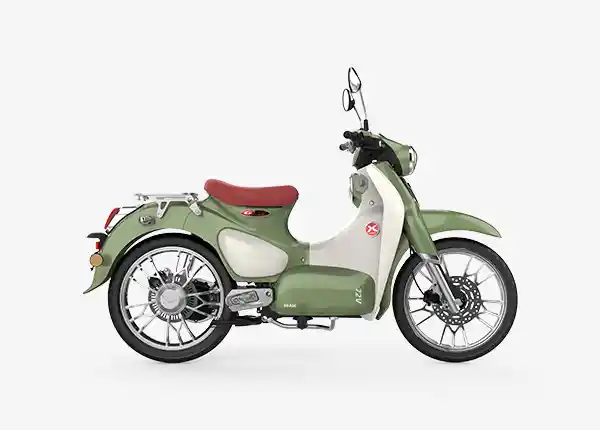
KAMAX supports global B2B buyers with gasoline motorcycles, electric motorcycle options such as Cub EV, OEM/ODM cooperation, CKD/SKD discussions, spare parts planning, export coordination, and market-based model recommendations.
About this Article
Why This Decision Matters in 2026
Electric two-wheelers are no longer a distant trend. In 2026, several industry reports show continued growth in electric motorcycles and scooters, especially in Asia and urban delivery markets. Global electric two-wheeler sales are expanding, India’s electric two-wheeler market continues to grow, and connected electric models are becoming more common in city mobility.
At the same time, gasoline motorcycles remain essential in many emerging markets. In Africa, Latin America, the Middle East, Southeast Asia, and parts of South Asia, millions of riders still depend on gasoline motorcycles for commuting, delivery, passenger transport, agriculture, and daily business.
This creates a real B2B decision for distributors:
Should you import electric motorcycles, gasoline motorcycles, or both?
A wrong product decision can create slow sales, warranty pressure, spare parts issues, dealer complaints, and weak repeat orders. A good product strategy can help a distributor capture today’s demand while preparing for tomorrow’s market.
The Core Rule: Match the Motorcycle to the Market
Electric motorcycles and gasoline motorcycles are not direct replacements in every market. They serve different users, roads, price levels, and service environments.
A distributor should not ask only:
“Which technology is better?”
The better question is:
“Which motorcycle type fits my customers, dealers, roads, energy infrastructure, service network, and business model?”
That is the difference between trend-following and real distribution strategy.
When Electric Motorcycles Make Sense
Electric motorcycles can be a strong choice when the use case is predictable and the support conditions are ready.
Electric motorcycles are most suitable for:
- Urban commuting
- Short-distance daily travel
- Food delivery and courier fleets
- Campus, resort, park, and controlled-area mobility
- Cities with charging access
- Markets with high fuel prices
- Countries with EV policy support
- Buyers focused on lower running cost
- Younger riders who accept new technology
- Fleet operators with centralized charging
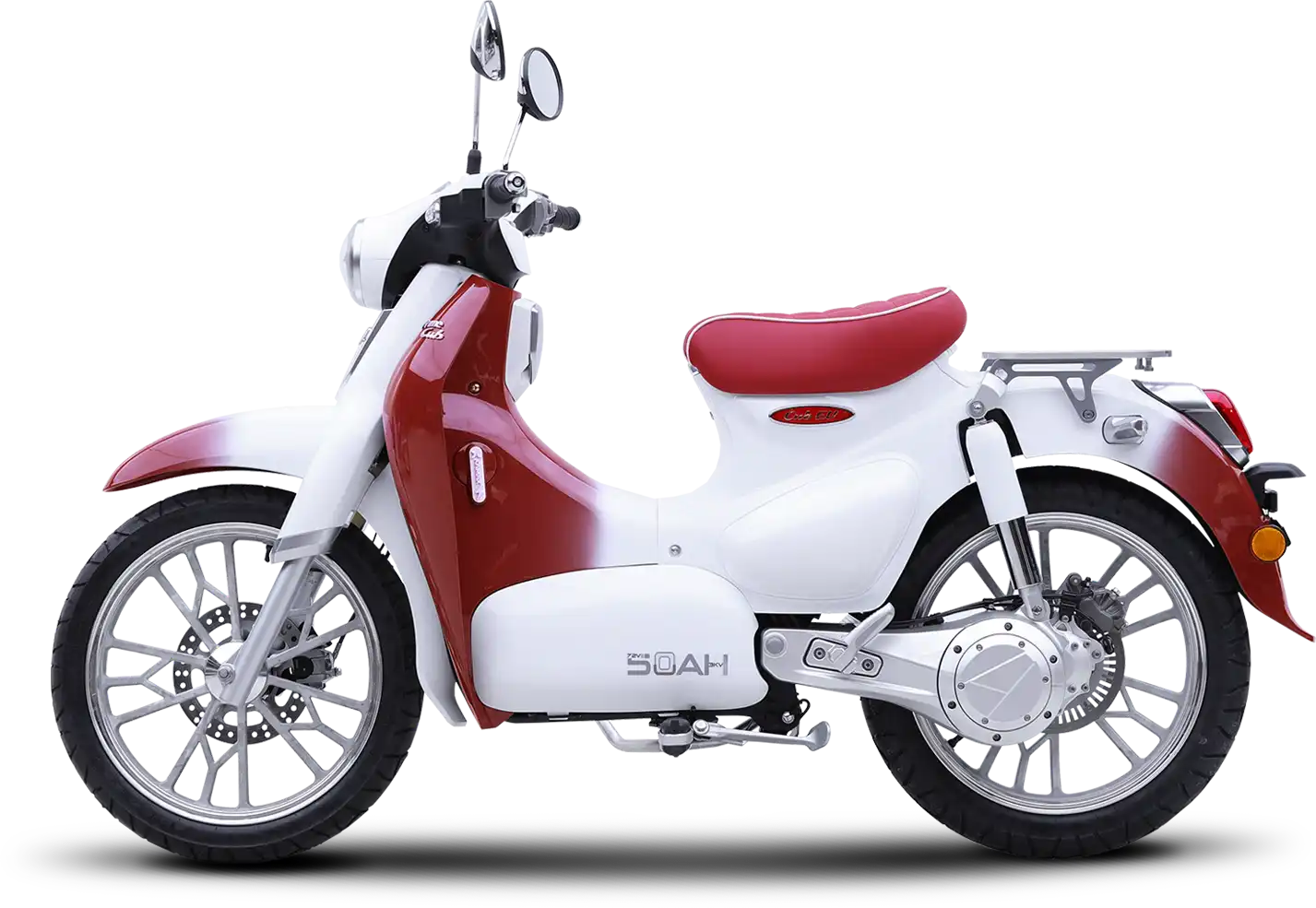
For delivery fleets, electric motorcycles may reduce daily energy cost and simplify some routine maintenance. For urban riders, quiet operation, easy riding, and lower operating cost can be attractive.
Electric motorcycles are especially practical when riders travel fixed daily routes and can charge at home, at work, at a fleet depot, or at a dealer-supported charging point.
When Gasoline Motorcycles Still Win
Gasoline motorcycles remain very strong because they solve practical transportation problems with proven technology.
Gasoline motorcycles are often the better choice for:
- Rural areas
- Long-distance riding
- Poor road conditions
- Mountain regions
- Agricultural transport
- Passenger transport
- Cargo and utility work
- Markets with unstable electricity supply
- Price-sensitive buyers
- Dealers familiar with traditional repair
- Areas without reliable charging infrastructure
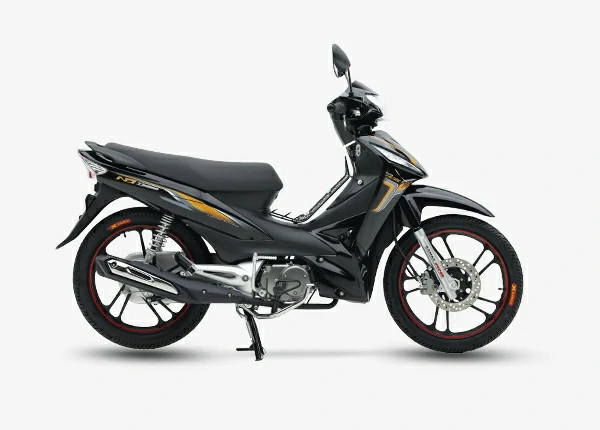
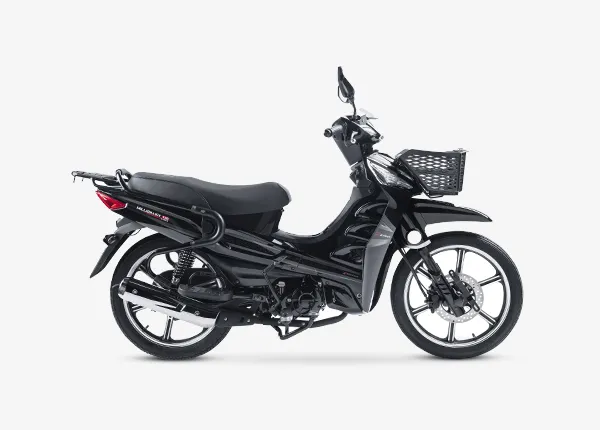
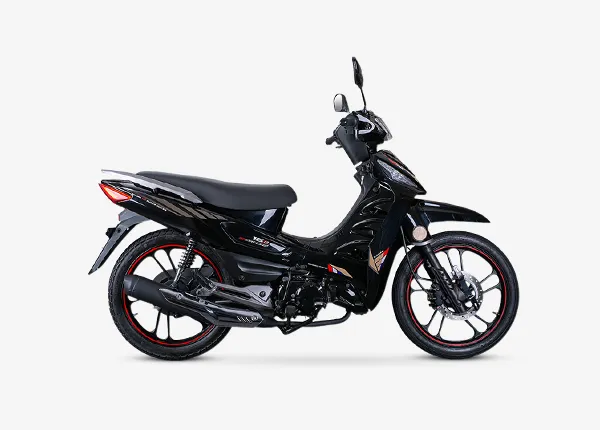
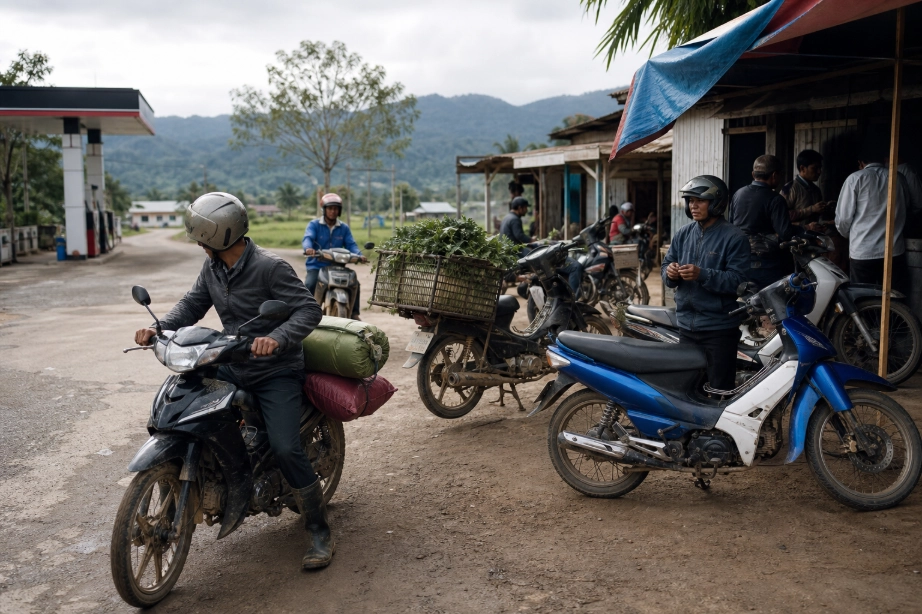
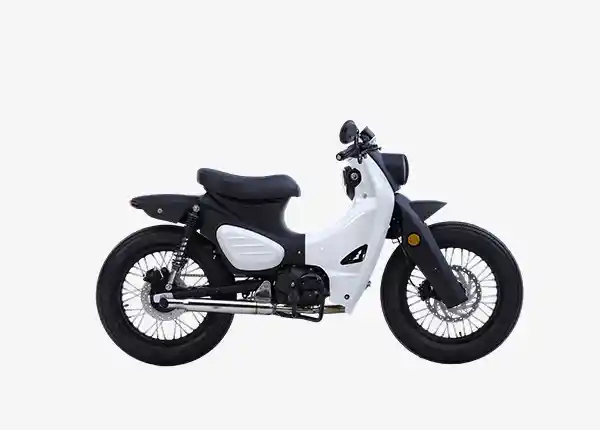
In many emerging markets, gasoline commuter motorcycles, Cub motorcycles, underbone models, and utility motorcycles are still the foundation of dealer sales.
Gasoline motorcycles have one major advantage: the service ecosystem is already mature. Mechanics understand them, spare parts are familiar, riders trust them, and refueling is fast.
Electric vs Gasoline Motorcycles: Distributor Comparison
| Factor | Electric Motorcycles | Gasoline Motorcycles |
|---|---|---|
| Best use case | Urban commuting, delivery fleets, short routes | Rural use, long-distance, cargo, daily mass transport |
| Purchase cost | Often higher due to battery and electrical system | Usually lower in price-sensitive segments |
| Running cost | Lower energy cost in many urban markets | Higher fuel cost but flexible refueling |
| Range | Best for predictable daily distance | Better for flexible and long-distance riding |
| Charging/refueling | Needs charging access and planning | Fast refueling, widely available |
| Maintenance | Fewer engine service items, more electrical support | More regular maintenance, easier local repair |
| Spare parts | Charger, controller, wiring, display, battery-related items | Filters, chains, sprockets, clutch, spark plug, engine parts |
| Dealer training | More training needed for diagnostics and battery safety | Easier for existing motorcycle mechanics |
| Customer acceptance | Growing in cities, fleets, and policy-supported markets | Strong in most established emerging markets |
| Business risk | Charging, battery, warranty, resale confidence | Fuel cost, emissions policy, mechanical maintenance |
Purchase Cost vs Total Cost of Ownership
Many distributors focus too much on purchase price. In 2026, serious buyers should compare total cost of ownership.
Total cost of ownership includes:
- Purchase price
- Energy or fuel cost
- Maintenance cost
- Spare parts cost
- Warranty risk
- Downtime
- Dealer training
- Resale confidence
- Customer acceptance
- Reorder potential
Electric motorcycles may have a higher initial cost but lower daily energy cost. Gasoline motorcycles may be cheaper to purchase and easier to service, but fuel and maintenance costs can be higher over time.
For fleet operators, total cost of ownership is especially important because downtime directly affects income.
Range, Charging, and Refueling
Range is one of the biggest differences between electric and gasoline motorcycles.
Gasoline motorcycles offer more flexibility. A rider can refuel quickly and continue riding. This matters for rural riders, passenger transport, agriculture, delivery in wide territories, and long-distance routes.
Electric motorcycles work best when the daily route is predictable. If a delivery rider travels within a city and can charge every day, an electric motorcycle can be practical. If the rider works in remote areas without charging access, gasoline is usually safer.
For distributors, charging should be treated as part of the business model, not just a user problem.
Before selling electric motorcycles, ask:
- Can users charge at home?
- Can fleets charge at a depot?
- Is electricity reliable?
- Is charging time acceptable?
- Can dealers explain charging behavior?
- Are replacement chargers and electrical parts available?
- Is battery service support clear?
If these questions are not answered, EV sales may create after-sales pressure.
Spare Parts and After-Sales Differences
Electric motorcycles are not maintenance-free. They simply require a different after-sales system.
For gasoline motorcycles, distributors should plan parts such as:
- Air filters
- Oil filters where applicable
- Spark plugs
- Brake pads and brake shoes
- Chains and sprockets
- Clutch parts
- Cables
- Gaskets and seals
- Engine service parts
- Lighting components
- Common electrical parts
For electric motorcycles, distributors should confirm support for:
- Chargers
- Controllers
- Displays
- Wiring harnesses
- Brake parts
- Lighting components
- Battery-related service items
- Diagnostic guidance
- Software or configuration support where applicable
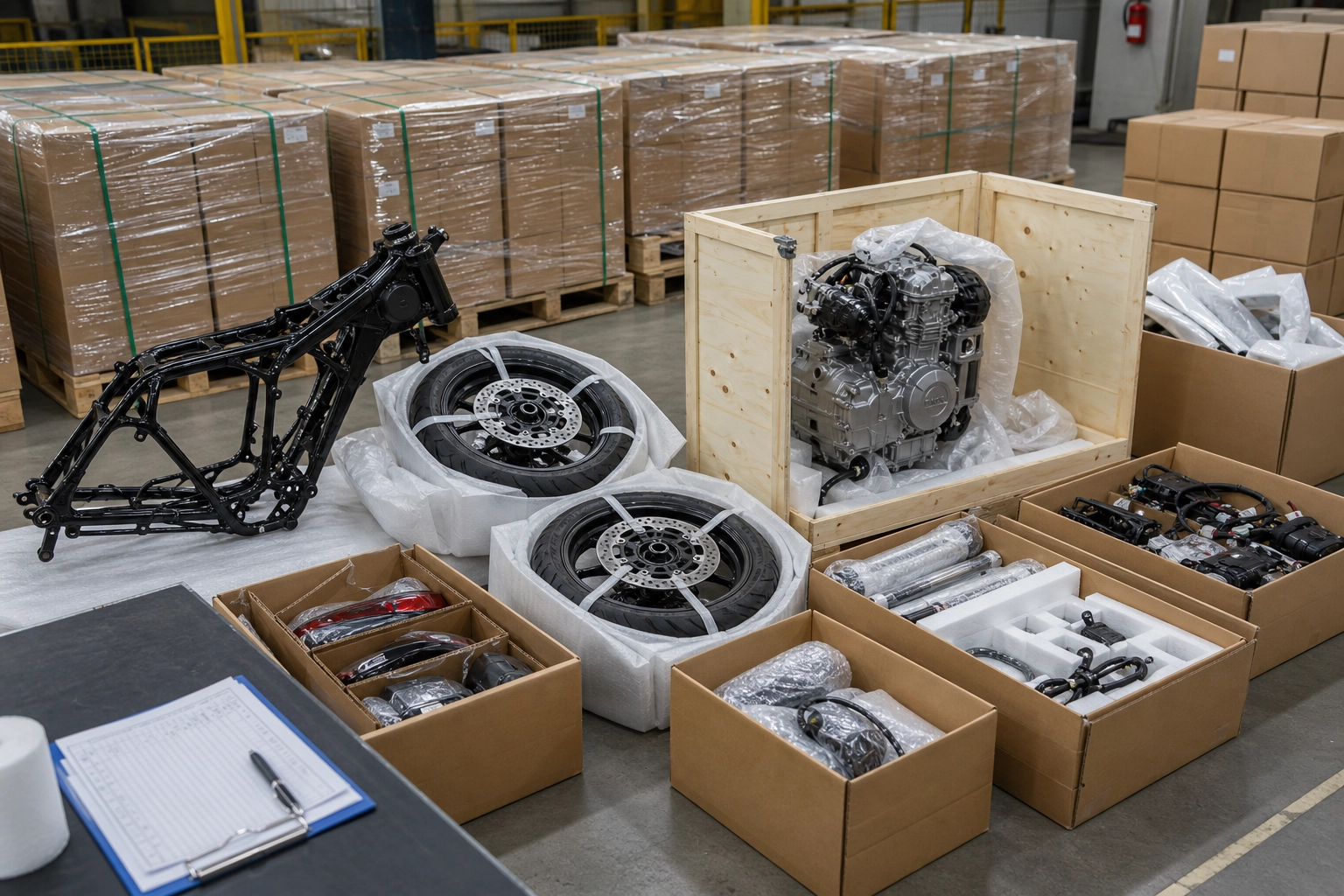
A common mistake is assuming electric motorcycles need no spare parts. In reality, EV after-sales depends heavily on electrical diagnosis, battery-related questions, and dealer training.
Related 🔗:
Motorcycle Spare Parts Planning for Distributors: A Practical B2B Import Guide
Dealer Training Requirements
Gasoline motorcycle dealers usually need less training because most mechanics already understand engines, carburetors, EFI systems, clutches, chains, brakes, and general repair.
Electric motorcycle dealers may need training on:
- Battery safety
- Charging behavior
- Controller diagnosis
- Wiring inspection
- Display and electrical fault codes
- Customer education
- Warranty handling
- Safe storage and transport
This does not mean electric motorcycles are difficult to sell. It means distributors must prepare dealers before launch.
If dealer training is weak, customers may lose confidence even when the motorcycle itself is suitable.
Recommended Portfolio Strategy for Distributors
For most emerging market distributors, the best strategy is a mixed portfolio.
For New Distributors
New distributors should usually start with proven gasoline commuter, Cub, underbone, or utility motorcycles if the market is highly price-sensitive or the service network is still developing.
After building dealer trust, the distributor can test selected electric models in urban areas or fleet projects.
For Urban Markets
Urban markets are better suited for electric motorcycles, especially when riders travel short distances and charging access exists.
Electric motorcycles can be positioned for:
- Delivery riders
- City commuters
- Corporate fleets
- Campus mobility
- Young riders
- Government or low-emission programs
For Rural and Utility Markets
Gasoline motorcycles remain the stronger choice for rural, agricultural, passenger transport, cargo, and long-distance use.
In these markets, customers usually care about:
- Durability
- Fuel availability
- Easy repair
- Low purchase price
- Strong suspension
- Spare parts availability
- Load capacity
- Long-term reliability
For Fleet Buyers
Fleet buyers should not choose only by purchase price. They should calculate route distance, charging time, energy cost, downtime, maintenance, spare parts, and service response.
Electric motorcycles can work well for predictable urban routes and centralized charging. Gasoline motorcycles may be better for flexible routes, remote service areas, and long-distance daily use.
For Countries With EV Policy Support
If the government supports electric mobility through subsidies, tax benefits, urban restrictions, or fleet programs, distributors should prepare an EV strategy early.
However, policy support alone is not enough. The product still needs the right range, price, battery support, spare parts, dealer training, and customer education.
Related 🔗:
How Importers and Distributors Can Choose a Reliable Motorcycle Manufacturer in China
OEM vs ODM Motorcycles: Which Model Fits Your Market?
Simple Decision Matrix for Distributors
Choose electric motorcycles when:
- The market is mainly urban
- Daily riding distance is predictable
- Charging access is available
- Fuel prices are high
- Fleet customers are active
- Buyers accept higher upfront cost
- Dealers can handle electrical support
- The distributor wants future EV positioning
Choose gasoline motorcycles when:
- The market is rural or mixed-use
- Customers ride long distances
- Roads are rough
- Electricity is unstable
- Buyers are highly price-sensitive
- Local mechanics are trained on gasoline models
- The motorcycle is used for cargo or passenger transport
- Fast refueling is important
Choose both when:
- The distributor serves both city and rural customers
- Gasoline models generate current volume
- Electric models can open new fleet or urban opportunities
- The dealer network can support two product lines
- The market is gradually transitioning but not fully ready
First Order Strategy: How to Start Safely
For a first order, distributors should avoid launching too many models at once.
A practical first order strategy may include:
- One proven gasoline commuter or Cub model for volume
- One utility or cargo-friendly model if the market needs commercial use
- One electric model for urban testing if charging conditions are ready
- A focused spare parts package for each model
- Clear dealer training materials
- Warranty policy and service procedures
- A reorder plan based on real sales data
The first shipment should test market acceptance, dealer readiness, and after-sales response. After that, the distributor can expand the product line more confidently.
Common Mistakes Distributors Should Avoid
Distributors should avoid these mistakes:
- Importing electric motorcycles without checking charging access
- Assuming electric motorcycles require no after-sales support
- Choosing gasoline motorcycles only by lowest FOB price
- Ignoring spare parts planning before launch
- Selling EVs to rural users without understanding daily range needs
- Launching too many models before dealers are trained
- Not separating fleet demand from retail demand
- Ignoring local repair capability
- Treating all emerging markets the same
- Following EV trends without testing buyer acceptance
- Not planning battery-related customer questions
- Not linking model choice with warranty and service capability
A good motorcycle strategy is based on market fit, not hype.
Questions to Ask Before Importing Electric or Gasoline Motorcycles
Before confirming an order, distributors should ask:
- Who is the main customer: commuter, delivery rider, farmer, student, fleet, or dealer group?
- Is the market urban, rural, or mixed?
- What is the average daily riding distance?
- Are roads smooth or rough?
- Is charging reliable and accessible?
- Are fuel prices pushing buyers toward EVs?
- Are customers sensitive to upfront price?
- Can dealers service electric systems?
- Which spare parts will be needed first?
- What warranty support is expected?
- Is the model suitable for repeat orders?
- Does the supplier support long-term parts continuity?
These questions help distributors avoid costly product mismatches.
How KAMAX Supports Both Electric and Gasoline Motorcycle Buyers
KAMAX is a China-based motorcycle manufacturer and wholesale supplier founded in 2001, serving global distributors, importers, dealers, CKD/SKD assemblers, and OEM/ODM partners with Cub, dirt, commuter, street, ATV, and electric motorcycles.
For B2B buyers evaluating electric and gasoline motorcycles, KAMAX can support:
- Gasoline commuter motorcycle recommendations
- Cub and underbone model discussions
- Electric motorcycle options such as Cub EV
- OEM/ODM customization
- CKD/SKD cooperation discussions
- Market-based model selection
- Spare parts planning
- Export documentation support
- Long-term distributor cooperation
The best model choice depends on the target country, customer type, road conditions, price level, dealer network, charging access, and after-sales capability.
Final Recommendation
In 2026, the winning strategy is not electric-only or gasoline-only.
For most emerging market distributors, gasoline motorcycles remain the foundation of high-volume sales, especially in rural, utility, and price-sensitive markets. Electric motorcycles should be developed as a growth category for urban commuting, delivery fleets, and policy-supported markets.
The best distributors will not follow trends blindly. They will match each motorcycle type with the right customer, road condition, service network, spare parts plan, and long-term business model.
FAQ
Are electric motorcycles better than gasoline motorcycles for distributors?
Electric motorcycles are better for urban commuting, short-distance delivery, and markets with charging access. Gasoline motorcycles are better for rural areas, long-distance riding, rough roads, and markets with mature service networks. For most distributors, a balanced portfolio is better than choosing only one type.
Are gasoline motorcycles still worth importing in 2026?
Yes. Gasoline motorcycles remain very important in emerging markets because they are affordable, familiar, easy to repair, and suitable for long-distance, commuter, cargo, and utility use. They are still the core volume category in many countries.
Which markets are best for electric motorcycles?
Electric motorcycles are best for urban markets, delivery fleets, campuses, short-distance commuting, and countries with EV policy support or high fuel prices. They work best when charging access and after-sales support are available.
What are the main risks of electric motorcycles for dealers?
The main risks include higher upfront cost, range concerns, charging limitations, battery-related questions, electrical diagnostics, spare parts planning, and dealer training. These risks can be reduced with the right model selection and after-sales preparation.
Should new distributors start with electric or gasoline motorcycles?
In many emerging markets, new distributors should start with proven gasoline commuter or utility motorcycles, then test electric models in selected urban or fleet scenarios. However, if the target market has strong EV demand and charging support, electric models can be introduced earlier.
Are electric motorcycles cheaper to maintain?
Electric motorcycles usually have fewer traditional engine maintenance items, but they are not maintenance-free. Distributors still need to plan for brakes, tires, wiring, chargers, controllers, displays, battery-related service, and diagnostic support.
Can electric motorcycles replace gasoline motorcycles in emerging markets?
Not completely in the short term. Electric motorcycles can grow quickly in cities and fleet use, but gasoline motorcycles remain stronger for rural areas, long-distance use, heavy-duty work, and markets with limited charging infrastructure.
Can KAMAX supply both electric and gasoline motorcycles?
Yes. KAMAX supplies gasoline motorcycles across categories such as Cub, commuter, dirt, street, ATV, and utility models, and also supports electric motorcycle options such as Cub EV. KAMAX can discuss OEM/ODM, CKD/SKD, spare parts planning, and market-based model recommendations with qualified B2B buyers.
CTA
Need help choosing between electric and gasoline motorcycles for your market?
Contact the KAMAX export team to discuss suitable models, spare parts planning, OEM/ODM cooperation, CKD/SKD options, and long-term wholesale supply.