
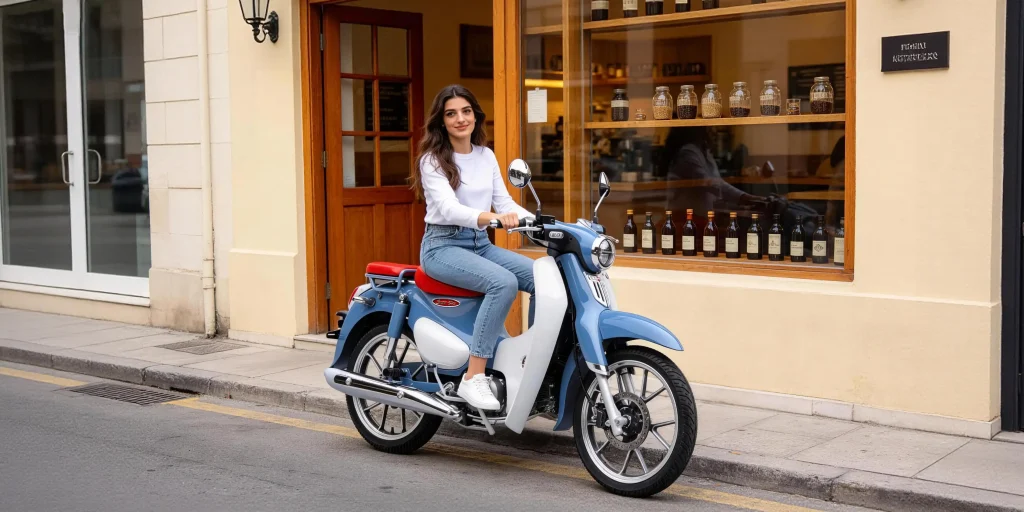
Drawing on over 2 decades of experience delivering two-wheelers across ASEAN markets, we know that Southeast Asia remains one of the most structurally strong regions for cub motorcycles. With the commercial two-wheeler fleet market projected to grow steadily across the region, for importers and distributors, the category is attractive for one reason: it combines high-frequency commuter demand with commercial utility demand (delivery, service teams, and light-duty fleet use).
But buying from a cub motorcycle 50cc 150cc supplier is not a product-only decision. It is a systems decision: model mix, import mode, quality control, spare-parts planning, and channel execution.
This guide is built for B2B buyers in Malaysia, the Philippines, Indonesia, and Vietnam who want practical sourcing logic, not generic brochure claims.
About the Article
Why Cub Motorcycles Still Deliver Commercial Value in Southeast Asia
A lot of vehicle categories look attractive in presentations but fail in distributor operations. Cub motorcycles remain resilient because they fit the region’s daily operating reality:
- dense urban traffic and short-to-medium commuting routes
- strong sensitivity to fuel and maintenance costs
- high demand for easy-to-service powertrains
- broad acceptance by both private riders and business users
For importers and motorcycle distributors in Malaysia, Vietnam, and beyond,, cub motorcycles also support two revenue streams at once:
- Retail/dealer sell-through, and
- B2B fleet sales (delivery, courier, service contractors, municipal or utility use cases).
That dual structure improves reorder stability and lowers channel risk compared with niche categories.
How to Build a Profitable Cub Product Mix: 50cc, 110cc, 125cc, 150cc, and Cub EV
A common mistake is launching too many SKUs in the first shipment. Better approach: assign each cc range a clear business role.
50cc: Entry SKU for Price-Sensitive Acquisition
50cc can serve highly price-sensitive channels, lightweight short-distance commuting, and entry-level dealer acquisition. It is not always the volume engine in every country, but it can be a useful “traffic SKU” for dealer networks.
110cc–125cc: Core Volume Backbone
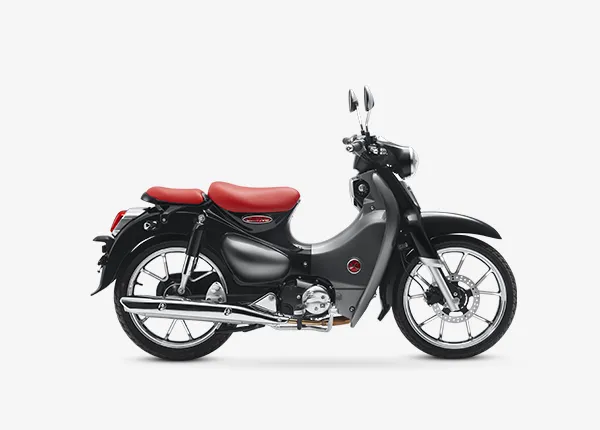
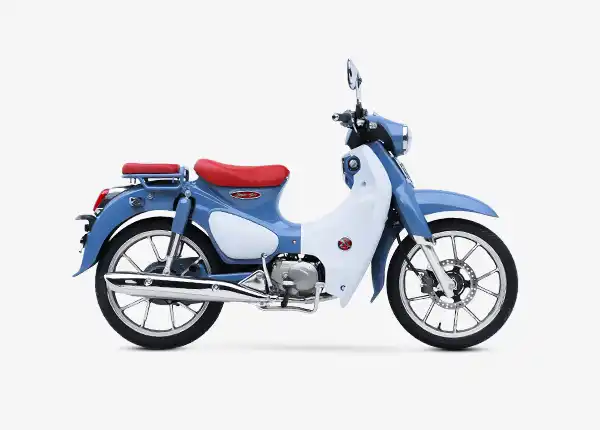
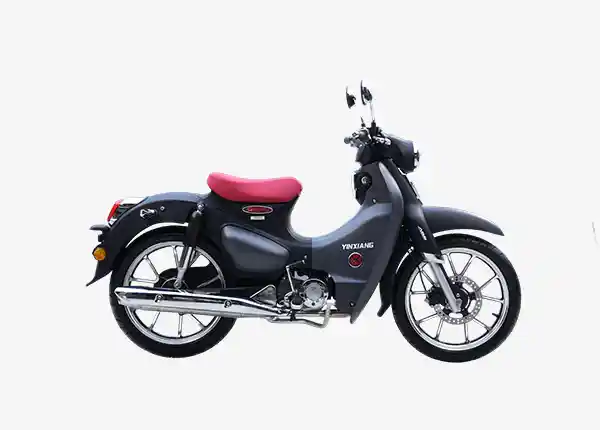
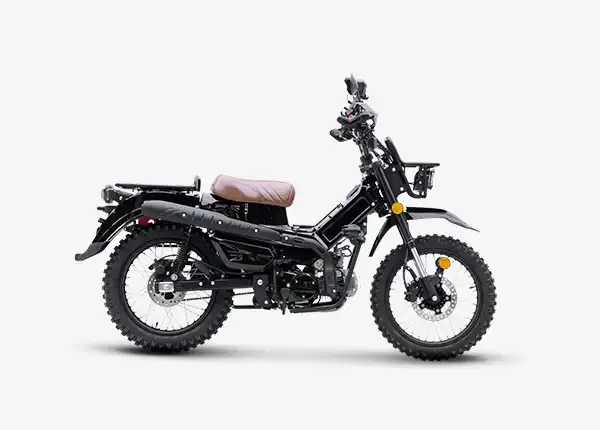
For most Southeast Asian markets, 110cc–125cc is where volume and practicality meet:
- manageable cost of ownership
- suitable daily power output
- easy workshop familiarity for maintenance
- strong channel acceptance for commuter demand
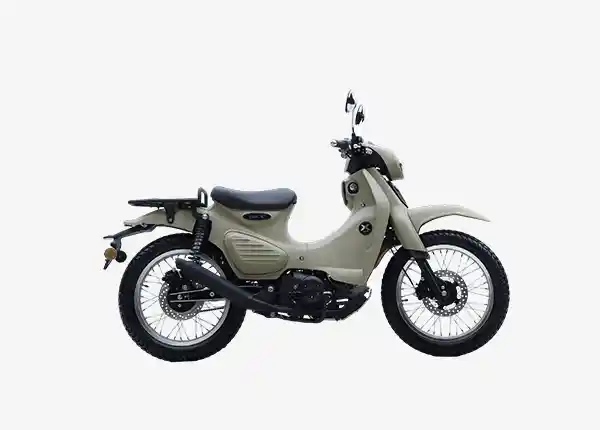
150cc: Margin and Positioning Upgrade
150cc cub variants often support:
- better hill-climb/load behavior
- stronger urban + peri-urban usability
- higher perceived value and higher gross margin potential
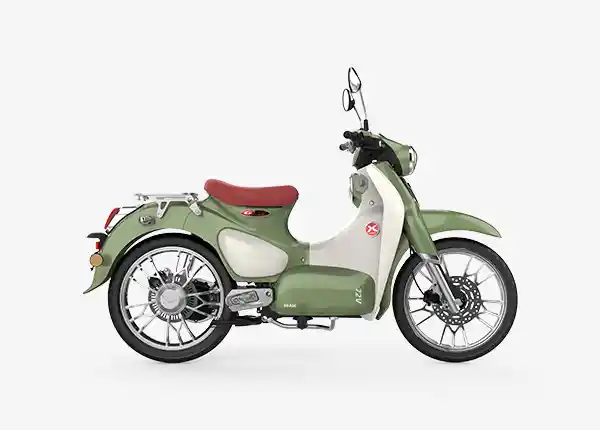
Cub EV: Strategic Pilot, Not Blind Full Replacement
EV cub models are increasingly relevant, but importers should treat them as staged deployment:
- pilot with defined route use cases
- define charging and battery policy before scale
- align service capability and spare-part strategy first
Mapping Your Existing Cub Lineup to B2B Market Roles
Using your current model family as a portfolio example:
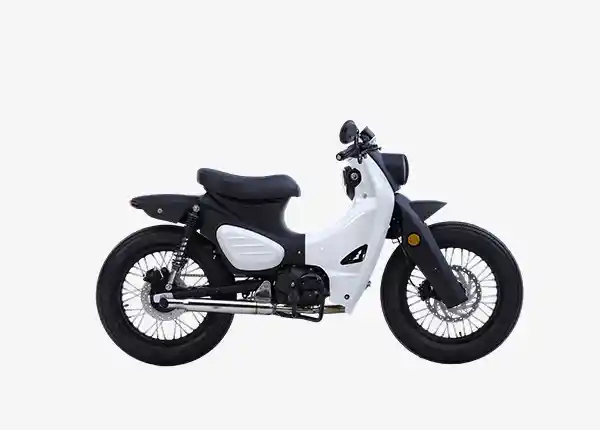
- Cub Pro 50: entry, affordability-led channels
- K110 / Cub Pro 110-type positioning: mass commuter volume
- Cub Pro 125 / CT125-type: mainstream plus, practical daily utility
- Cub X 150 / Cub S 150: 150cc value-upgrade and differentiation
- Cub EV: urban pilot and green-mobility channel entry
A strong first launch often uses 3–4 SKUs, not 7:
- 1 entry SKU
- 1 volume SKU
- 1 higher-value SKU
- 1 strategic add-on (EV or 150cc specialty)
This protects cash flow, simplifies parts planning, and improves inventory turnover.
OEM vs ODM vs Private Label: What a Cub Motorcycle 50cc 150cc Supplier Should Offer
Before confirming any route, lock down these commercial terms: MOQ by model and color, first-shipment spare-parts ratio, warranty process and turnaround SLA, carton/label/manual standards, and change-control rules for spec updates.
| Sourcing Strategy | Core Advantage | Best Use Case |
| ODM (Original Design Manufacturer) | Fast market entry | Best when you need validated models quickly with moderate customization. |
| OEM (Original Equipment Manufacturer) | Stronger control | Best for distributors with stable demand who need tighter control over specs, quality standards, and differentiation. |
| Private Label | Channel asset building | Best for long-term distributor value: brand recognition at dealer level, stronger price discipline, and lower direct model comparison in the local market. |
CKD, SKD, or CBU: Practical Decision Logic for Importers
Import mode should be selected by landed economics + execution capability, not EXW price alone. A professional sourcing decision should compare: unit purchase price, freight and duty structure, assembly/labor cost, rejection/rework risk, service/warranty cost, parts pipeline stability, and time-to-market impact.
Related Source: Motorcycle CKD vs SKD vs CBU Explained | China Motorcycle Factory Guide
| Import Mode | Core Advantage | Best Use Case & Considerations |
| CBU (Completely Built Up) | Fastest launch path, lower operational complexity | Good for pilot market entry and distributor validation. Watch out for higher freight and import duties. |
| SKD (Semi Knocked Down) | Balance between complexity and flexibility | Useful middle path to optimize logistics/assembly balance in some markets. Requires basic local assembly readiness. |
| CKD (Completely Knocked Down) | Stronger long-term cost optimization potential | Best when local assembly and policy/tariff structure support it. Requires strict discipline in the assembly process, QA, and technical training. |
Technical Due Diligence Checklist (Before PO)
For B2B importers, long-term profitability depends on consistency, not brochure highlights.
Powertrain and drivability
- stable combustion and idle in local fuel conditions
- predictable thermal behavior under stop-go operation
- consistent transmission engagement and clutch behavior
Chassis and safety
- frame rigidity and weld consistency
- brake stability under wet-road use
- suspension suitability for mixed road quality
- tire and wheel spec match to local usage patterns
Electrical and climate durability
- connector sealing quality in humid/rainy environments
- harness layout and protection
- lighting durability and replacement accessibility
Batch quality control
- written incoming/process/final inspection protocol
- pre-shipment inspection with clear acceptance criteria
- VIN/engine-number traceability and production records
Country-Level Go-to-Market Priorities (MY / PH / ID / VN)
Malaysia
- prioritize reliable 110–125cc commuter mix
- use 150cc as selective upgrade line
- keep parts fill-rate and service speed as differentiators
Philippines
- commuter + delivery use case is strong when importing mopeds to the Philippines
- keep maintenance simplicity and quick parts availability central
- 110/125cc for volume, 150cc for premium channel upsell
Indonesia
- highly competitive and scale-driven
- win through after-sales reliability, not only pricing
- keep core high-turn SKUs tight, then widen trim options later
Vietnam
- practicality and operating cost strongly influence decisions for Vietnam B2B motorcycle sourcing
- 110–125cc remains essential for base volume
- EV works best with route-based pilot partnerships first
After-Sales and Spare Parts: The Real Moat in B2B Distribution
Many import programs fail after the first shipment due to weak service planning. For example, we’ve seen regional distributors lose lucrative municipal fleet contracts within six months simply because they lacked specific 110cc clutch replacement components, stalling 20% of their fleet.
Your company must be built for lifecycle support:
- first-order spare parts plan tied to SKU volume
- standard failure-code and claim workflow
- service training material for dealer technicians
- quarterly parts consumption review
- clear escalation path for critical component issues
For importers, this is often the deciding factor between “one order” and “multi-year cooperation.”
Lead Time and Launch Planning (First 12 Months)
Phase 1 (Month 1–2): Validation
- RFQ closure
- sample confirmation
- compliance/document alignment
- final commercial terms
Phase 2 (Month 3–6): Controlled launch
- 3–4 SKU first shipment
- dealer onboarding and service prep
- close tracking of early field feedback
Phase 3 (Month 7–12): Optimization
- expand winners, cut slow movers
- refine color/spec mix by sell-through data
- establish reorder cadence and safety stock logic
This operating cadence is how importers build predictable growth, not one-off sales spikes.
How to Evaluate a Reliable Cub Motorcycle 50cc 150cc Supplier
To compare suppliers objectively, request these documents in the first round:
- technical spec sheets by SKU
- CKD/SKD/CBU loading plans
- MOQ by model and color
- lead-time matrix (sample + mass production)
- spare-parts recommended opening package
- warranty policy and process SOP
- QC checkpoint overview
- documentation pack list for customs/compliance
When suppliers answer these clearly, procurement risk drops dramatically.
Conclusion
Southeast Asia is still a high-opportunity region for cub motorcycles—but only for importers who operate with procurement discipline.
The right strategy is not “buy as many models as possible.” It is:
- Build a focused 50cc–150cc portfolio with clear role assignment,
- Choose CKD/SKD/CBU based on landed economics and capability,
- Enforce consistent QA and after-sales systems,
- Scale by data-driven reorder cycles.
Ready to optimize your next shipment?
Contact our Southeast Asia export team to discuss your CKD/CBU strategy today.
FAQ
What is the best-selling cub motorcycle range for Southeast Asia distributors?
In many markets, 110cc–125cc is the core volume segment, while 150cc supports higher-margin upgrades and specialized demand.
How should importers choose between CKD and CBU?
CBU is usually faster for launch; CKD can be better when local assembly and policy structure support long-term cost optimization.
What MOQ is typical for cub motorcycle OEM orders?
MOQ depends on model complexity, color variants, and customization scope. Always confirm MOQ per SKU and spare-parts obligations in the same agreement.
Should importers add EV cub models immediately?
Best practice is controlled rollout: route-based pilot first, then scale after charging, service, and battery policy are operationally proven.
What matters most when selecting a cub motorcycle supplier?
Beyond product specs: quality consistency, traceable production records, documentation discipline, parts support, and warranty response speed.