
Quick Answer
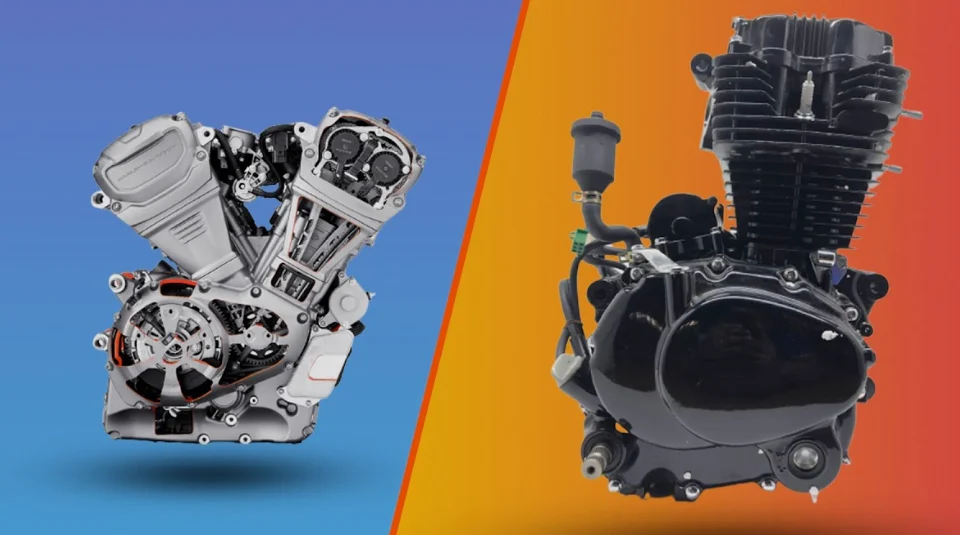
The main difference between an air cooled and a liquid cooled motorcycle engine is how heat is managed.
An air cooled engine dissipates heat directly through metal fins and airflow.
A liquid cooled engine circulates coolant through internal channels and a radiator to maintain a stable operating temperature.
Air cooled engines are simpler, lighter, and easier to maintain.
Liquid cooled engines provide more consistent temperature control, especially at higher RPM or in heavy traffic.
For 125cc commuter motorcycles, air cooling is usually sufficient.
For 250cc and 300cc motorcycles used at sustained high speeds, liquid cooling offers better thermal stability.
The best choice depends on displacement, riding style, and climate conditions—not on which system sounds more advanced.
About the Article
Why Engine Cooling Matters More in Southeast Asia and Latin America
In many Western markets, motorcycles are recreational.
In Southeast Asia and Latin America, motorcycles are transportation tools.
Typical conditions include:
- Ambient temperatures between 30–38°C
- Heavy traffic with low airflow
- Frequent short trips
- Long daily usage hours
Under these conditions, temperature stability affects:
- Oil degradation speed
- Combustion consistency
- Mechanical wear rate
- Rider comfort
Cooling is not just about preventing overheating.
It is about controlling thermal variation over thousands of operating cycles.
How an Air Cooled Motorcycle Engine Works
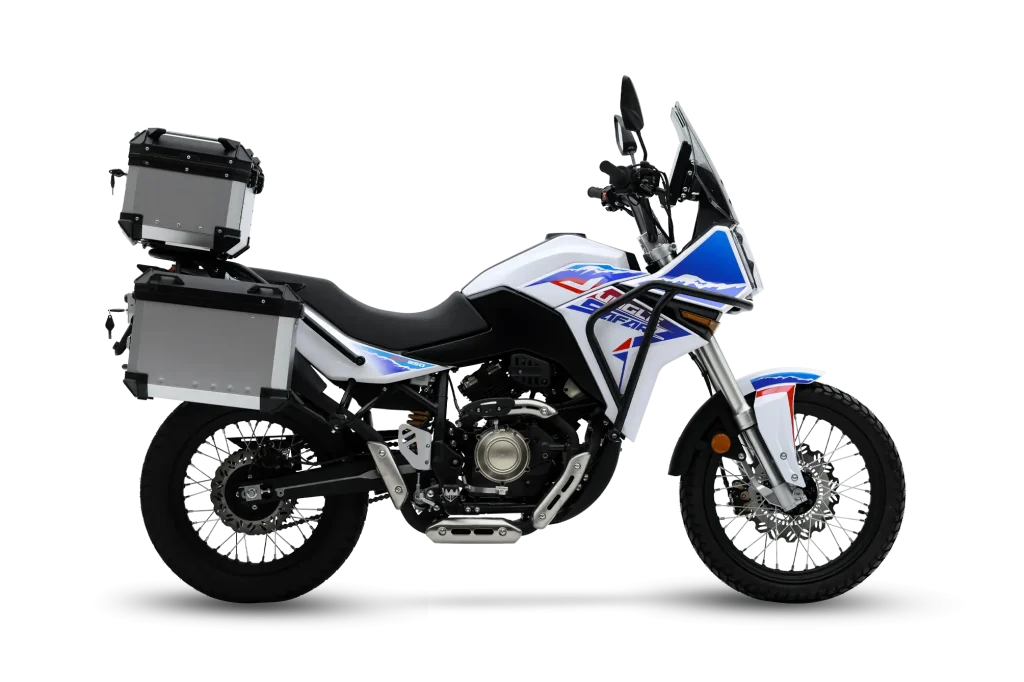
Air cooled engines remove heat directly into the atmosphere.
When combustion occurs, heat travels through:
- Piston
- Cylinder wall
- Cylinder head
- External cooling fins
The fins increase surface area. As the motorcycle moves, air passes across the fins and removes heat.
Simplified Structural Illustration
Combustion Chamber
        ↓
Cylinder Wall
        ↓
Aluminum Cooling Fins
        ↓
Passing Airflow
        ↓
Heat Released to Atmosphere
There is no radiator.
No coolant.
No water pump.
Engine oil also helps absorb and distribute internal heat.
Engineering Reality
Air cooling efficiency depends heavily on airflow.
At 60 km/h → strong cooling.
In traffic → reduced cooling efficiency.
Temperature fluctuates more compared to liquid cooling.
This is not a defect.
It is a design characteristic.
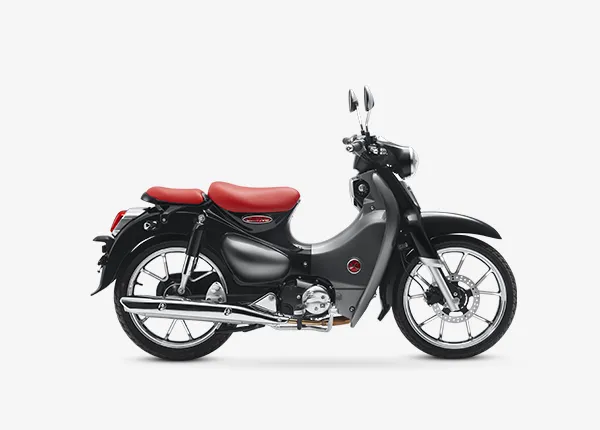
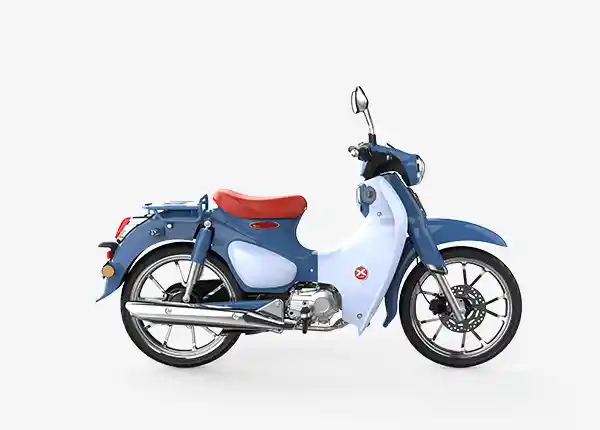
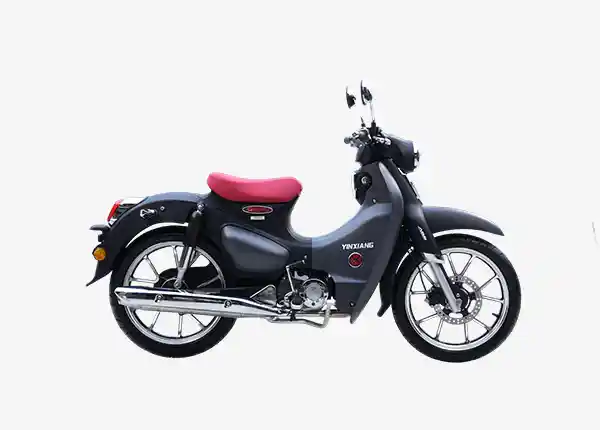
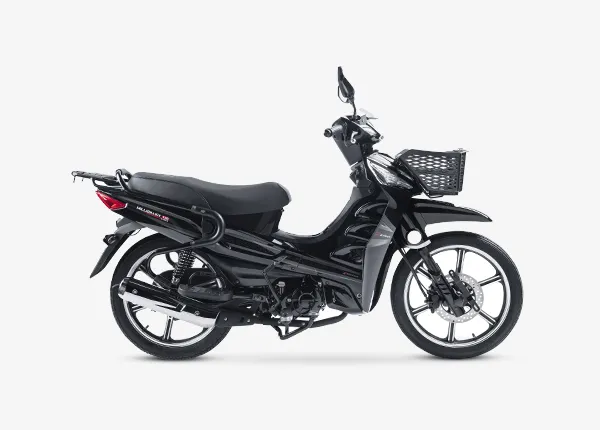
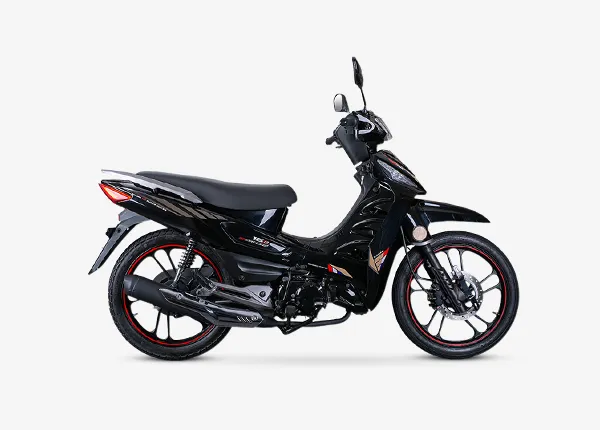
That is why most 125cc commuter motorcycles from manufacturers like Honda continue to use air cooling. The thermal load of a modestly tuned small engine remains within safe limits.
How a Liquid Cooled Motorcycle Engine Works
Liquid cooled engines introduce controlled heat transfer.
Coolant circulates through internal “water jackets” surrounding the combustion chamber.
Cooling Cycle Illustration
Combustion Heat
        ↓
Water Jacket
        ↓
Coolant Absorbs Heat
        ↓
Water Pump Circulates Coolant
        ↓
Radiator
        ↓
Airflow / Electric Fan
        ↓
Cooled Liquid Returns
A thermostat regulates flow to maintain a narrow operating temperature range.
This system does not rely entirely on vehicle speed. Even in traffic, the fan ensures cooling continues.
The Real Engineering Difference: Temperature Stability
Peak temperature is not the only concern.
The critical variable is temperature fluctuation range.
Air cooled engines:
- Larger temperature variation between idle and cruising
- Depend on riding conditions
Liquid cooled engines:
- Maintain consistent temperature window
- Reduce expansion and contraction cycles
For low-displacement commuting engines, fluctuation is manageable.
For high-output engines operating near performance limits, stability becomes more important.
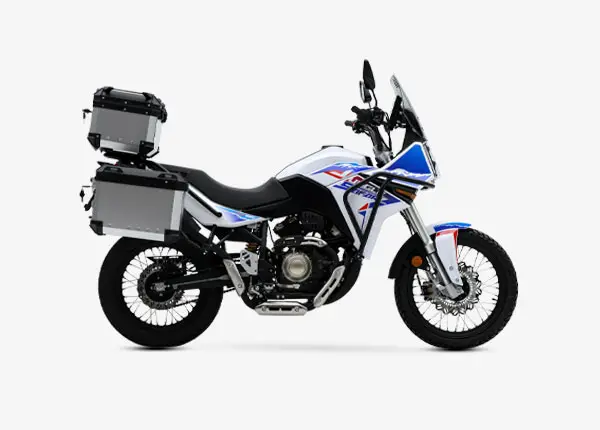
That is why performance motorcycles such as the Ninja 300 from Kawasaki use liquid cooling to support sustained high RPM.
Air Cooled vs Liquid Cooled: Direct Comparison
| Category | Air Cooled | Liquid Cooled |
|---|---|---|
| Heat Dissipation Method | Direct airflow | Coolant circulation + radiator |
| Temperature Stability | Moderate | High |
| Complexity | Simple | More components |
| Weight | Lighter | Slightly heavier |
| Maintenance | Low | Moderate |
| Manufacturing Cost | Lower | Higher |
| Best for | 125cc–150cc commuting | 250cc+ performance |
| Traffic Stability | Can fluctuate | Stable with fan |
| Long Highway Riding | Acceptable (small engines) | More stable (larger engines) |
What Happens in 35°C Traffic?
Let’s consider real-world tropical riding.
Scenario: Urban Traffic, 36°C Ambient
125cc Air Cooled Commuter
- Engine gradually heats at idle
- Oil plays larger cooling role
- Once moving, temperature drops quickly
- Design tolerances account for this fluctuation
For moderate output engines, this cycle is safe.
300cc Liquid Cooled Street Bike
- Coolant circulates continuously
- Radiator fan activates automatically
- Temperature remains consistent
- Less variation in throttle response
For larger displacement engines under load, stability improves durability.
Engine Size Changes the Answer
The cooling debate only makes sense when displacement is considered.
125cc–150cc Motorcycles
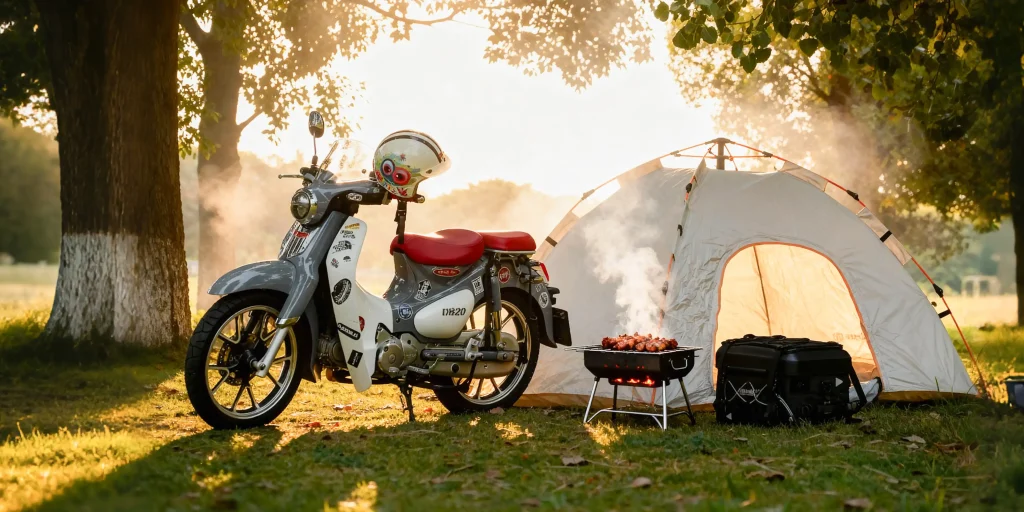
Primary use:
- Commuting
- Delivery
- Budget transportation
Air cooling advantages:
- Lower purchase cost
- Fewer parts
- Easier repair
- Lighter structure
In this segment, simplicity aligns with rider needs.
250cc–300cc Motorcycles
Primary use:
- Highway riding
- Mountain roads
- Higher RPM operation
Liquid cooling advantages:
- Stable combustion temperature
- Reduced mechanical stress
- Consistent power delivery
High-performance brands like Ducati transitioned to liquid cooling as output per cubic centimeter increased and emission standards tightened.
Cost and Ownership Considerations
From a factory perspective, liquid cooling adds:
- Radiator
- Pump
- Thermostat
- Hoses
- Machining complexity
From an owner perspective, it adds:
- Coolant replacement intervals
- Potential hose aging
- Slightly higher maintenance cost
Air cooling removes those variables.
This is why traditional cruisers from Harley-Davidson maintained air cooling for decades—simplicity and identity mattered.
Is Air Cooling Enough for Hot Climates?
Yes—within its intended displacement and tuning range.
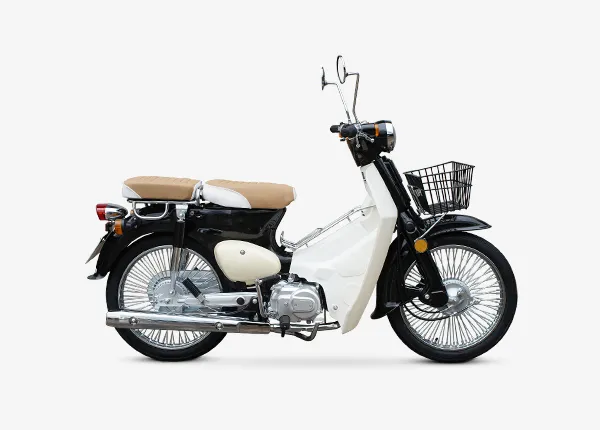
Most 125cc commuter motorcycles in Southeast Asia operate reliably for years with air cooling.
However, if:
- Engine displacement increases
- RPM usage increases
- Load duration increases
Liquid cooling provides measurable thermal stability advantages.
The system must match the engine’s performance envelope.
Does Liquid Cooling Increase Engine Life?
It can reduce thermal stress in high-performance engines by minimizing repeated expansion cycles.
However:
Poor maintenance will shorten engine life regardless of cooling type.
Cooling supports durability.
Maintenance determines durability.
Delivery Riders: Which Is Better?
For 125cc urban delivery motorcycles:
Air cooling remains practical due to:
- Simpler service
- Lower repair cost
- Proven durability
For larger displacement bikes used for long-distance logistics:
Liquid cooling improves temperature control during extended operation.
Emissions and the Future of Cooling
Modern emission standards require stable combustion temperatures.
Liquid cooling helps manufacturers control:
- Fuel-air mixture consistency
- Combustion chamber temperature
- Catalytic converter efficiency
As global standards tighten, liquid cooling becomes more common in mid-size engines.
However, in cost-sensitive commuter markets, air cooling remains economically logical.
Hybrid solutions (oil-assisted cooling) are also increasingly used to balance cost and stability.
From a Manufacturing Perspective
When developing motorcycles for tropical export markets, cooling system selection is based on:
- Thermal mapping simulations
- Ambient temperature targets
- Rider usage profiles
- Service infrastructure conditions
At Kamax, cooling system decisions are aligned with regional durability testing rather than marketing trends. The goal is long-term reliability under real operating conditions, not spec-sheet comparison.
Frequently Asked Questions
Which engine lasts longer?
Both can last many years if maintained properly. Liquid cooling may reduce stress in high-performance engines.
Is air cooled better for city riding?
For 125cc motorcycles, yes. For larger engines in heavy traffic, liquid cooling offers more stability.
Does liquid cooling improve fuel economy?
It improves combustion stability, but fuel efficiency depends more on engine tuning and riding style.
Can air cooled engines overheat easily?
They can run hotter in extreme traffic, but well-designed engines account for this.
Is liquid cooling necessary for 300cc motorcycles?
For sustained high RPM riding, it is strongly beneficial.
Is maintenance expensive for liquid cooled bikes?
It is slightly more complex due to coolant and additional components.
Which is cheaper to repair?
Air cooled engines usually have lower repair complexity.
Is liquid cooled better for racing?
Yes. Racing requires stable high-temperature management.
Which engine is better for tropical countries?
It depends on displacement and riding intensity. Small commuter engines perform well with air cooling. Larger performance engines benefit from liquid cooling.
Should beginners choose air cooled motorcycles?
For entry-level commuting, air cooled bikes are often simpler and more affordable.
Final Decision Guide
Choose Air Cooled If:
- Engine size is 125cc–150cc
- Riding is mostly city commuting
- Maintenance simplicity is a priority
- Budget sensitivity matters
Choose Liquid Cooled If:
- Engine size is 250cc–300cc or above
- Riding includes highway or high RPM use
- Thermal stability is important
- You prioritize performance consistency
There is no universal winner.
Air cooling is optimized for simplicity and cost efficiency.
Liquid cooling is optimized for stability under higher thermal load.
The correct choice depends on how the motorcycle will actually be used—not on which system sounds more advanced.