If you are planning to build a private-label motorcycle brand, your first order decision should never be based on a glossy PDF catalog or a hand-picked showroom sample.
Audit Motorcycle OEM Factory is where you strip away the marketing and confirm whether a supplier can deliver consistent mass-production quality, predictable lead times, and professional after-sales support. In the motorcycle industry, one wrong OEM choice can lock up hundreds of thousands of dollars in capital, delay your market launch, and permanently damage dealer trust.

Quick Answer: The 5-Point Core of Audit Motorcycle OEM Factory
Before signing your first production PO, you must verify five critical areas: Real-time manufacturing capacity, Quality System (QMS) execution, Supply Chain traceability, Export-specific readiness, and After-sales infrastructure. The most professional B2B importers, such as those partnering with KAMAX, use a “Pilot Order” validation phase after a successful audit.
The Golden Rule: The cost of an audit is measured in hundreds; the cost of a failed first shipment is measured in hundreds of thousands.
1. Manufacturing Capacity: Look Beyond the Floor Space
Don’t ask how many bikes they can make; ask to see their actual production logs from the last six months.
- Verify: Monthly output per line and labor stability.
- The Bottleneck Check: Inspect the welding precision and the automated paint shop capacity, as these usually dictate the real lead time.
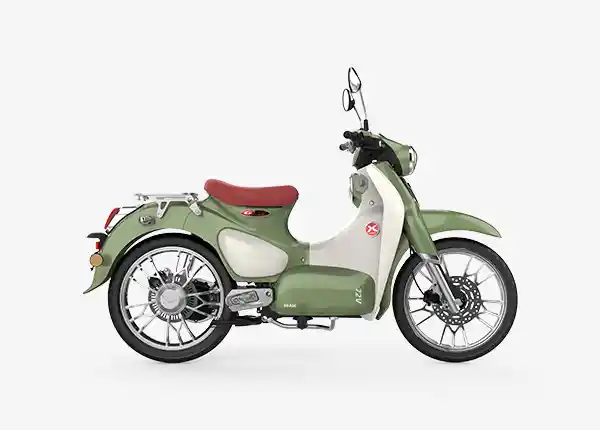
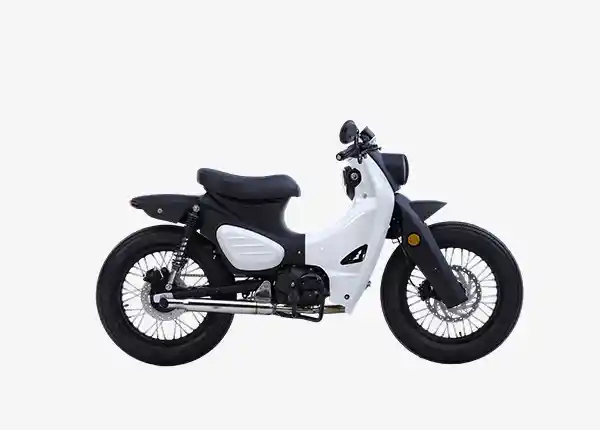
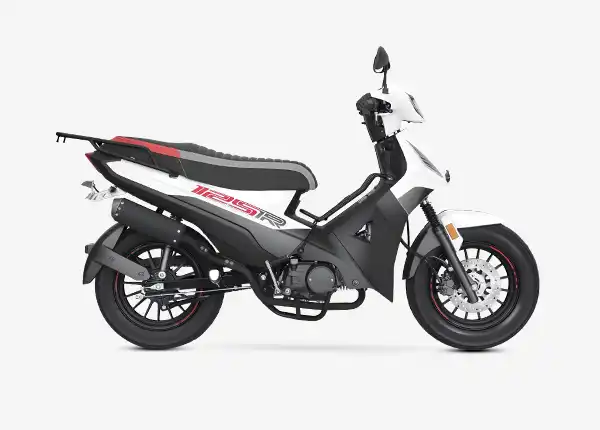
- KAMAX Standard: We maintain high line allocation flexibility, ensuring that our private-label partners receive priority scheduling even during peak season surges. This is vital for maintaining the supply of high-demand units like our Euro 3 certified CUB motorcycles. (Cub Pro 125 with Euro 5+ Certification)
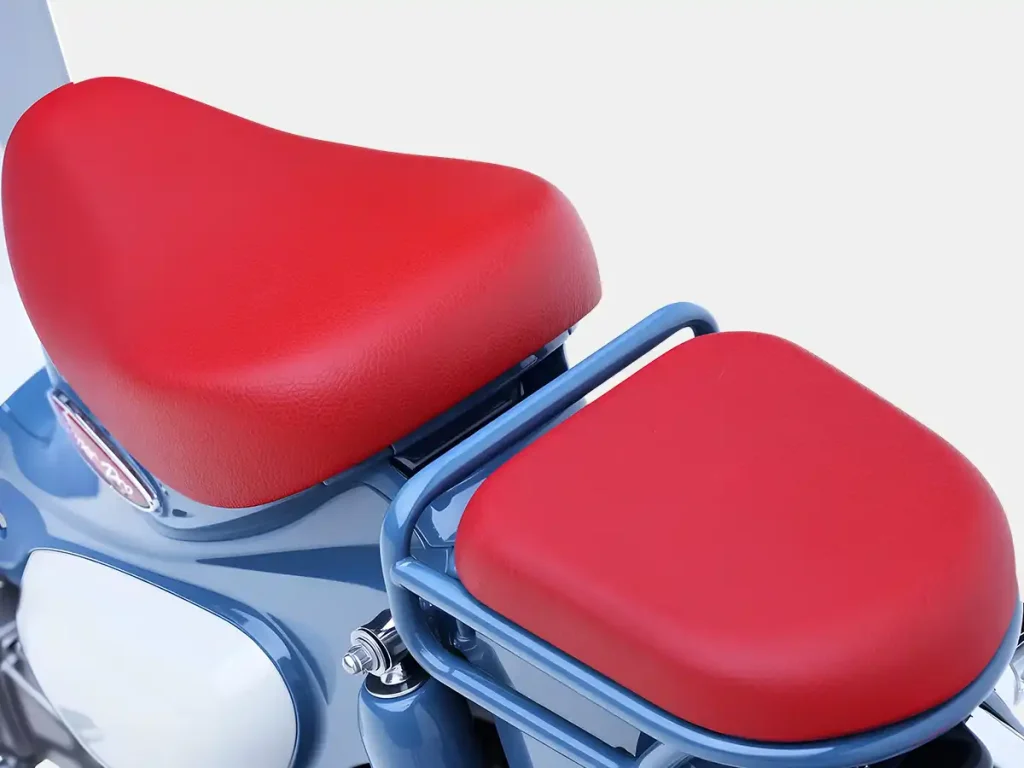
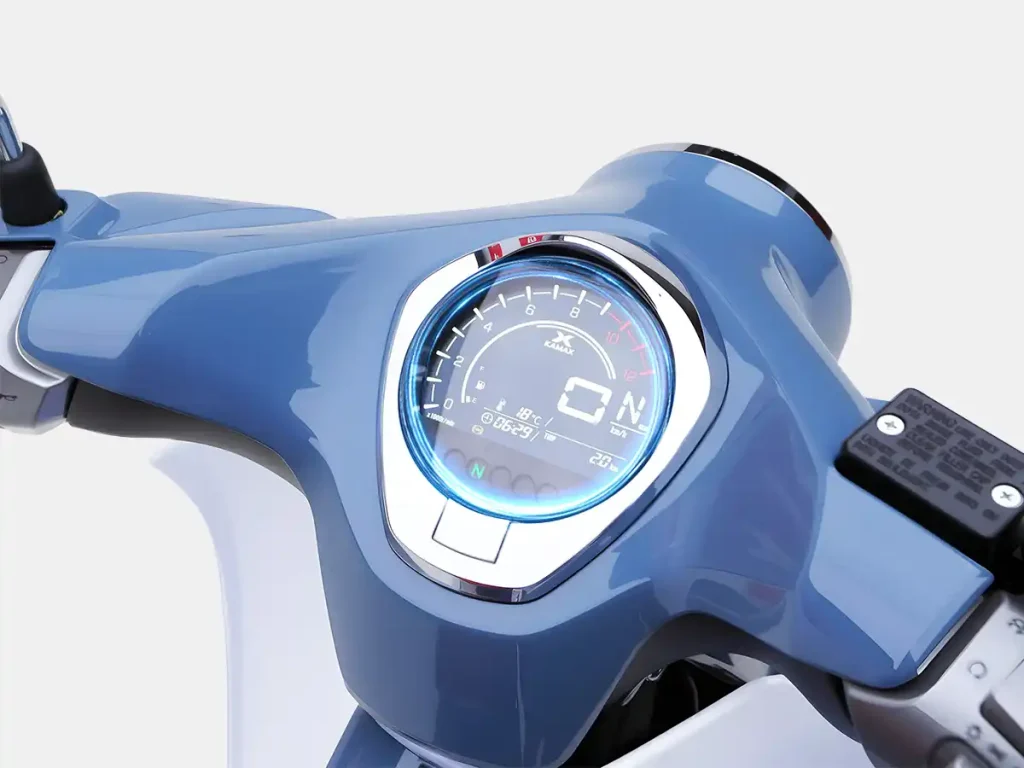
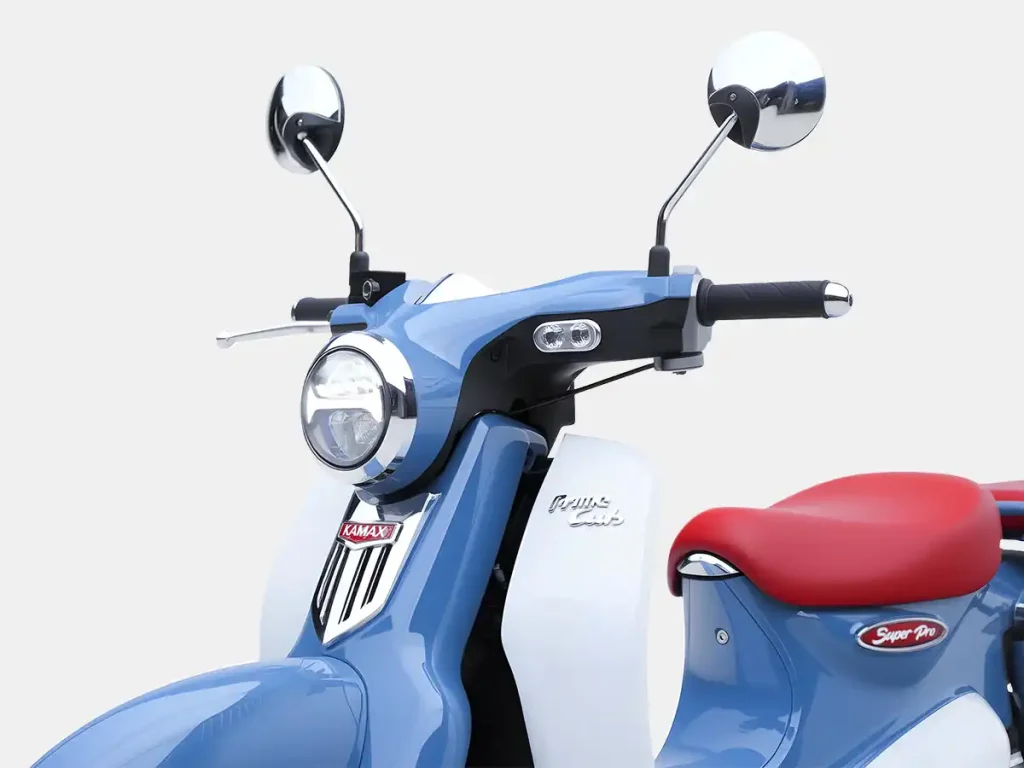
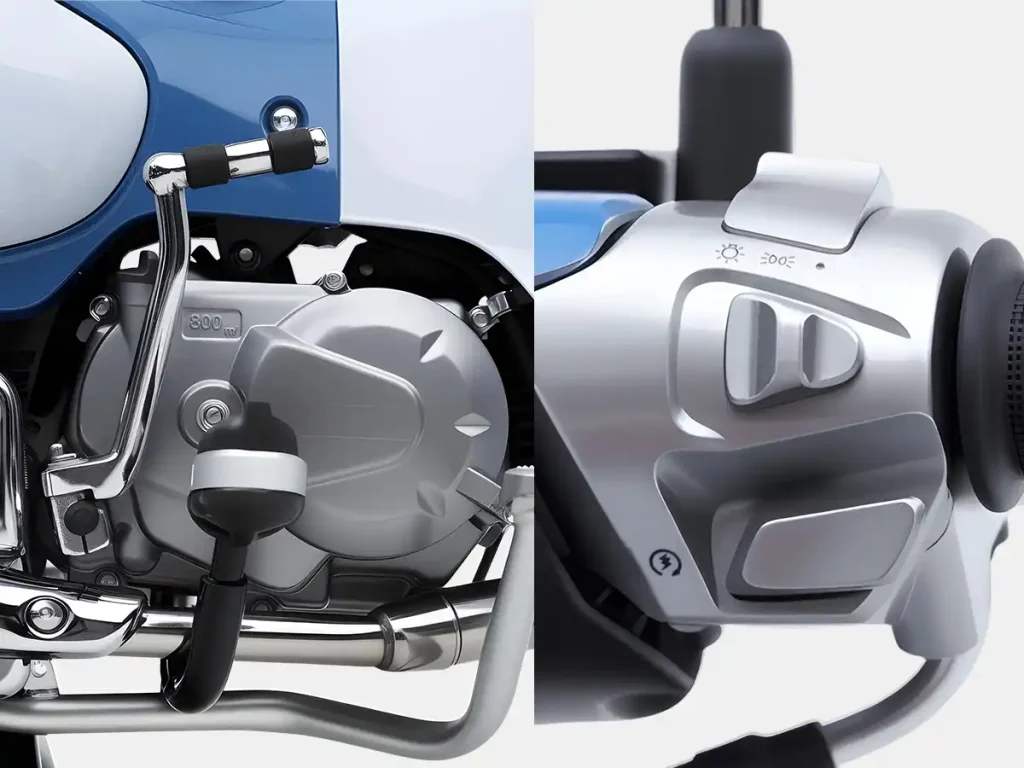
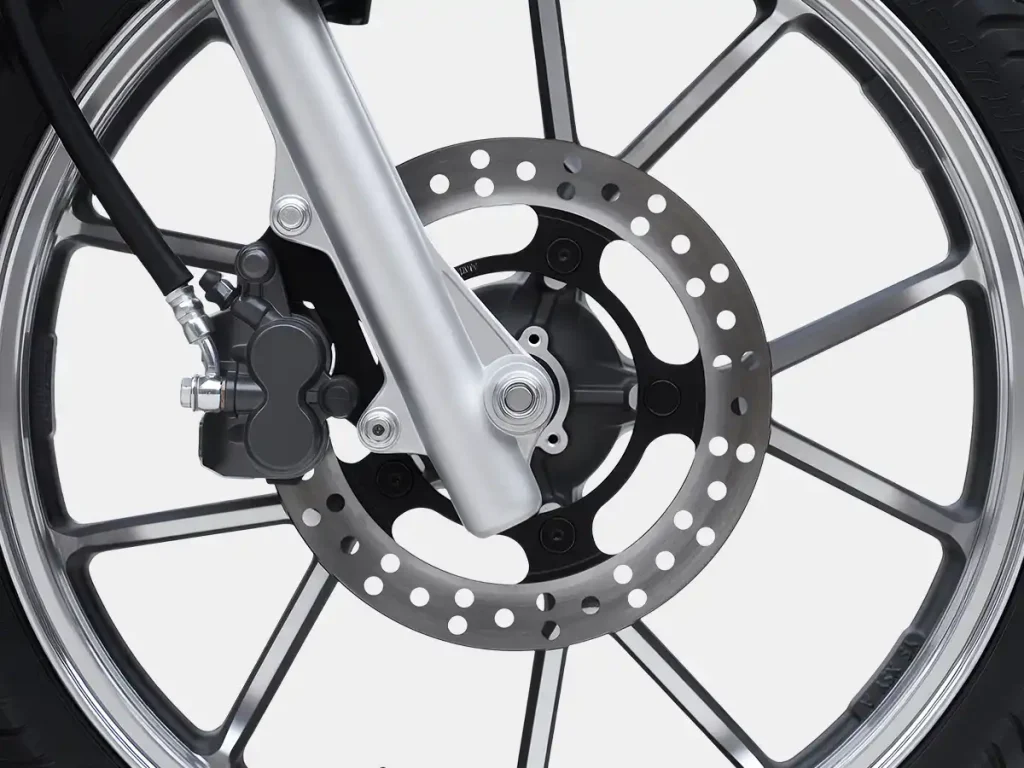
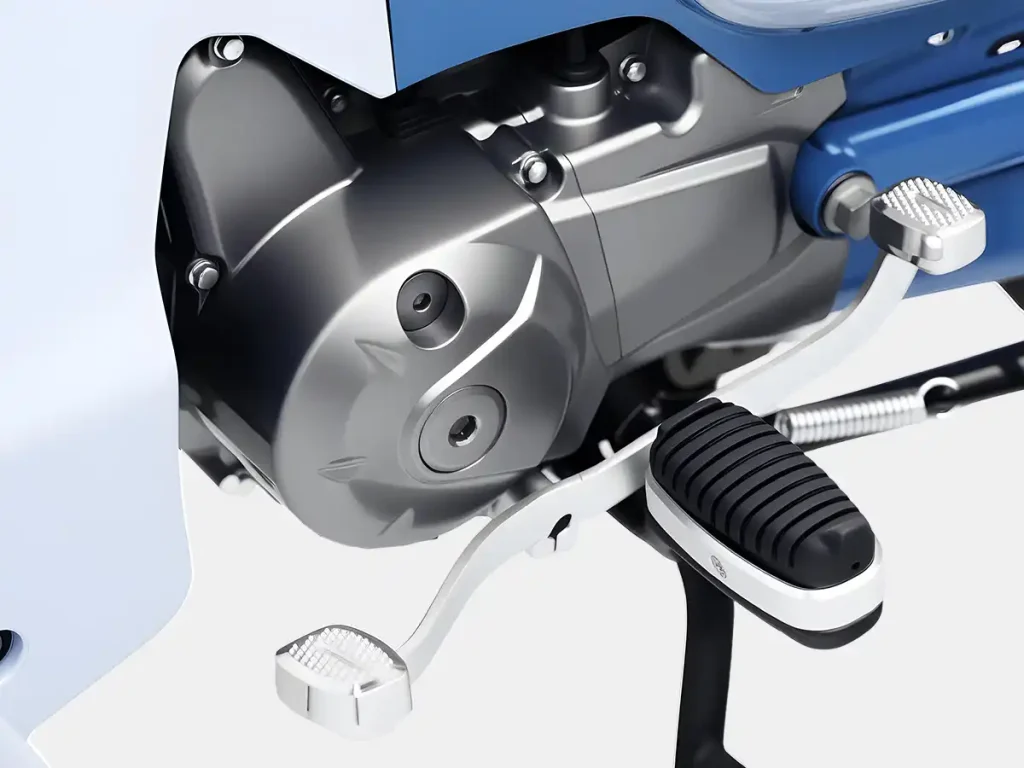
The Details of Cub K110
2. Quality Management: Systems vs. Paperwork
An ISO 9001 quality management certificate on the wall tells you very little. You need to see Real-time Data.
- IQC (Incoming Quality Control): How do they test the engines or ECUs arriving from sub-suppliers?
- Dynamic Testing: Does every single bike go through a Dyno test and a high-pressure rain test?
- The “Closed Loop”: Ask for a recent Corrective Action Report (CAPA). According to the ASQ quality audit standards, If they can’t show you how they fixed a recent mistake, they aren’t managing quality—they are just reacting to it.
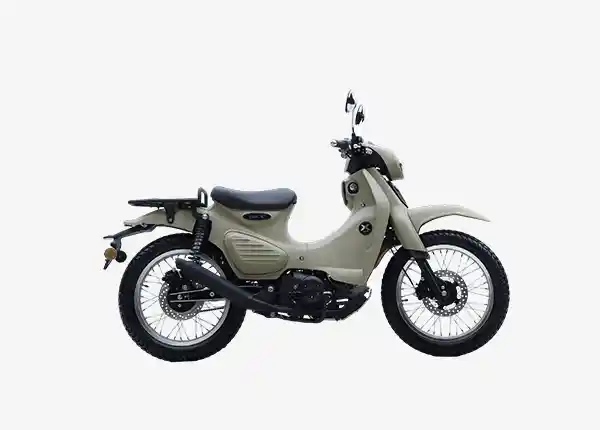
3. Supply Chain Stability: The Substitution Trap
The biggest risk in a first order is “unauthorized component substitution.”
- Audit Check: Review the Approved Vendor List (AVL). Does the factory have a formal “Engineering Change Note” (ECN) process?
- Traceability: Can they trace a specific VIN back to a specific batch of brake calipers or wiring harnesses?
- Warning: If a factory changes a supplier without notifying you, your motorcycle homologation Southeast Asia standards may be compromised, rendering your safety certifications invalid.
4. Export Readiness & Documentation Mastery
Building a bike is easy; exporting it with zero documentation errors is hard.
- Audit Check: Look at their packing standards. Are they using anti-corrosion VCI packaging for sea transit?
- Homologation Support: Can the OEM provide a Technical Construction File (TCF) for your local registration?
- KAMAX Advantage: Our export team manages the complete document package—including Form D/E for ASEAN tax savings—ensuring your shipment clears customs without a single day of delay.
5. After-Sales: The “Repeat Business” Pillar
For B2B distributors, the Audit Motorcycle OEM Factory doesn’t end at the shipping dock.
- Spare Parts Audit: Inspect the parts warehouse. Is there a dedicated stock for fast-moving warranty parts?
- Coding: Is there a clear, digital Spare Parts Manual with unique SKU codes?
- Technical Support: Ask to see their service training videos or diagnostic software support. No parts system = no brand longevity.
Red Flags: When to Walk Away
If you encounter two or more of these during your visit, pause the deal immediately:
- Inconsistent Records: Production logs that look “too clean” or were clearly written on the same day.
- Vague Spare Parts Policy: “We will send parts in the next container” is a recipe for dealer abandonment.
- No In-House Engine Testing: Relying solely on sub-suppliers without their own verification.
- Documentation Gaps: Management cannot provide a clear traceability path from VIN to component batch.
The Pilot Order: Your Final Insurance Policy
Even after a perfect audit, start small.
- Batch Size: Order a 20ft container or a minimum pilot lot.
- Third-Party Inspection: Use an agency to verify the Pre-Shipment Inspection (PSI) based on the audit standards.
- PDI Feedback: Run a rigorous Pre-Delivery Inspection at your local warehouse and share the “Failure Mode” data back with the factory before placing a larger PO.
Final Takeaway
Audit Motorcycle OEM Factory before your first order is about risk mitigation. The most successful global brands choose partners based on process reliability and service support, not just the lowest FOB price.
At KAMAX, we welcome rigorous audits. Our facilities are designed to meet the highest international B2B standards, ensuring that your first order is the start of a multi-year success story.
[Contact KAMAX today] to request our Factory Audit Checklist or schedule a virtual tour of our production facility.
Audit Motorcycle OEM Factory FAQ
How long does a professional audit take?
Expect 1.5 to 2 full days on-site for a comprehensive review.
Can I audit remotely?
While a virtual tour helps, on-site verification of physical records and “blind” warehouse checks is always superior for the first order.
Why is traceability so important?
In the event of a safety recall, accurate traceability saves your brand by allowing you to isolate specific units rather than recalling your entire fleet.