

About the Article
Why Vietnam Matters to Global Motorcycle Distributors
Vietnam is not a speculative market. It is one of the world’s most motorcycle-dependent economies, where two-wheelers remain the primary form of personal transport. That alone makes any regulatory change worth close attention.
The government’s decision to restrict gasoline motorcycles in central Hanoi starting in 2026 has raised an important question for overseas distributors:
Is Vietnam becoming an electric motorcycle opportunity—or a regulatory risk?
A Clear Timeline, Not a Sudden Ban
Vietnam’s policy is often described as a “motorbike ban”, but that wording is misleading.
Under Directive No.20/CT-TTg, restrictions are introduced gradually and geographically:
- July 1, 2026: Gasoline motorcycles are restricted inside Hanoi Ring Road 1
- From 2028: Restrictions expand to Ring Road 2
- By 2030: Larger low-emission zones are expected
For distributors, this phased approach is a positive sign. It reduces the risk of abrupt market disruption and allows time for inventory planning, dealer network preparation, and product adaptation.
Why Electric Motorcycles Are the Policy’s Preferred Solution
Vietnam’s urban traffic structure explains why electric motorcycles sit at the center of this transition.
- Motorcycles dominate short-distance commuting
- Electric two-wheelers require less charging infrastructure than electric cars
- Noise reduction is as important as emission reduction in dense cities
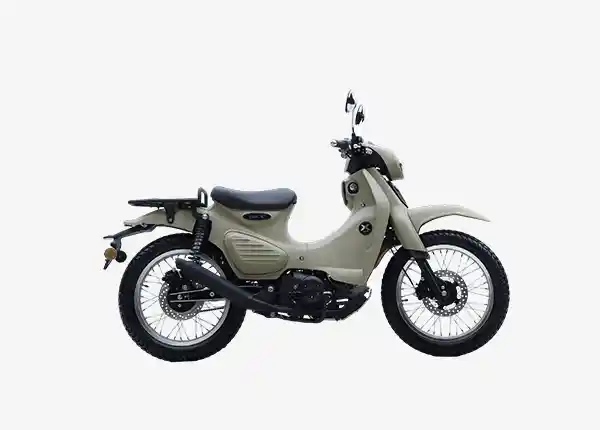
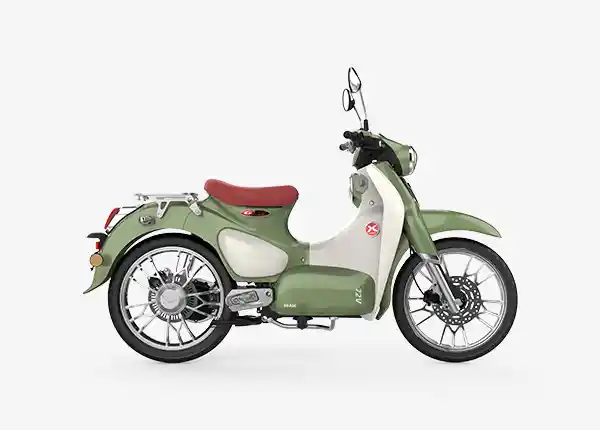
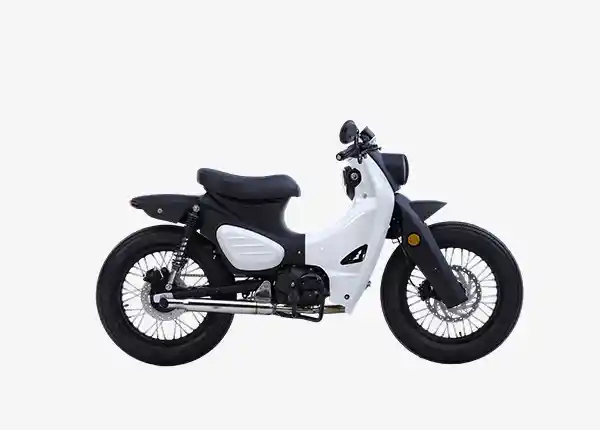
For distributors, this means electric motorcycles are not a “niche alternative” in Vietnam. They are increasingly viewed as a mainstream urban mobility tool.
What the Policy Means for Market Demand
Demand Will Increase — But Predictably
Policy support does not automatically translate into instant sales growth. Vietnamese consumers remain cautious and value-driven.
Electric motorcycle demand is most likely to grow in waves:
- Early adopters and fleet users first
- Urban households preparing ahead of enforcement
- Wider adoption as charging and service networks improve
Distributors who enter too early with unproven models may struggle. Those who enter too late may face intense competition.
Key Considerations for Overseas Distributors
1. Product Fit Matters More Than Branding
Vietnamese buyers prioritize practicality over brand storytelling. Distributors should focus on models that offer:
- Reliable daily range
- Durable batteries suitable for hot climates
- Simple maintenance and accessible spare parts
High-spec features that inflate cost without clear daily value are often overlooked by consumers.
2. After-Sales Capability Will Shape Dealer Success
Electric motorcycles shift complexity from mechanical parts to electrical systems. This changes dealer responsibilities.
Successful distributors will need:
- Technician training for electric systems
- Clear battery warranty structures
- Stable access to replacement parts
Without after-sales readiness, even strong sales channels can collapse under service pressure.
3. Regulatory Stability Favors Long-Term Players
Vietnam’s step-by-step rollout suggests the government is aiming for policy stability rather than shock enforcement. This favors distributors willing to build a long-term presence instead of chasing short-term volume.
Beyond Hanoi: Why the Opportunity Is Broader
Hanoi is the testing ground, not the end goal. Other major cities are closely observing its implementation before introducing similar low-emission zones.
For distributors, this creates a strategic advantage:
experience gained in Hanoi can be replicated elsewhere in Vietnam—and potentially across Southeast Asia.
Risks That Should Not Be Ignored
Despite the positive direction, distributors should remain realistic:
- Charging infrastructure is still uneven
- Consumer education takes time
- Price sensitivity remains strong
- Used gasoline motorcycles will remain in circulation for years
These factors reinforce the need for careful product selection and gradual market entry.
Final Thoughts for Distributors
Vietnam’s 2026 electric motorcycle regulation is not a market shortcut—but it is a clear signal.
Distributors who treat this as a long-term transition, align products with real urban needs, and invest in service capability will be better positioned as the market evolves. Those looking for immediate policy-driven volume may find the reality more challenging than expected.
Vietnam is not closing its motorcycle market. It is redefining it.