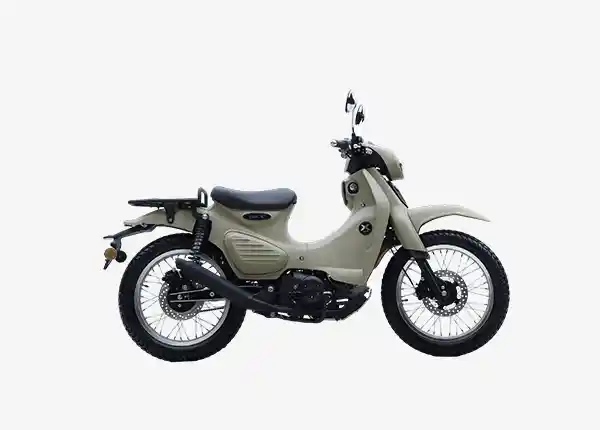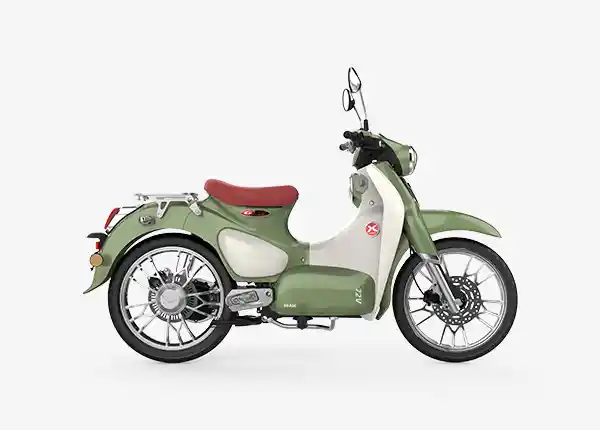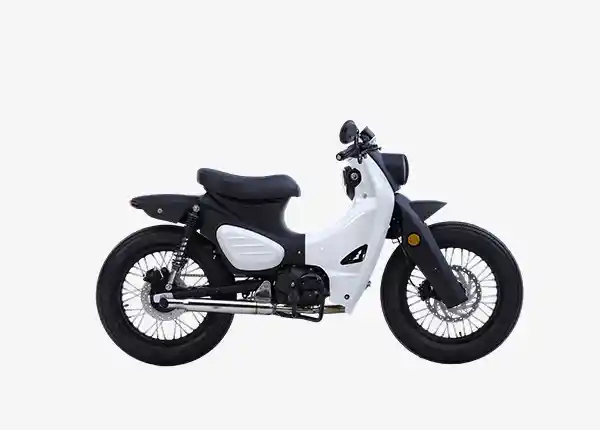
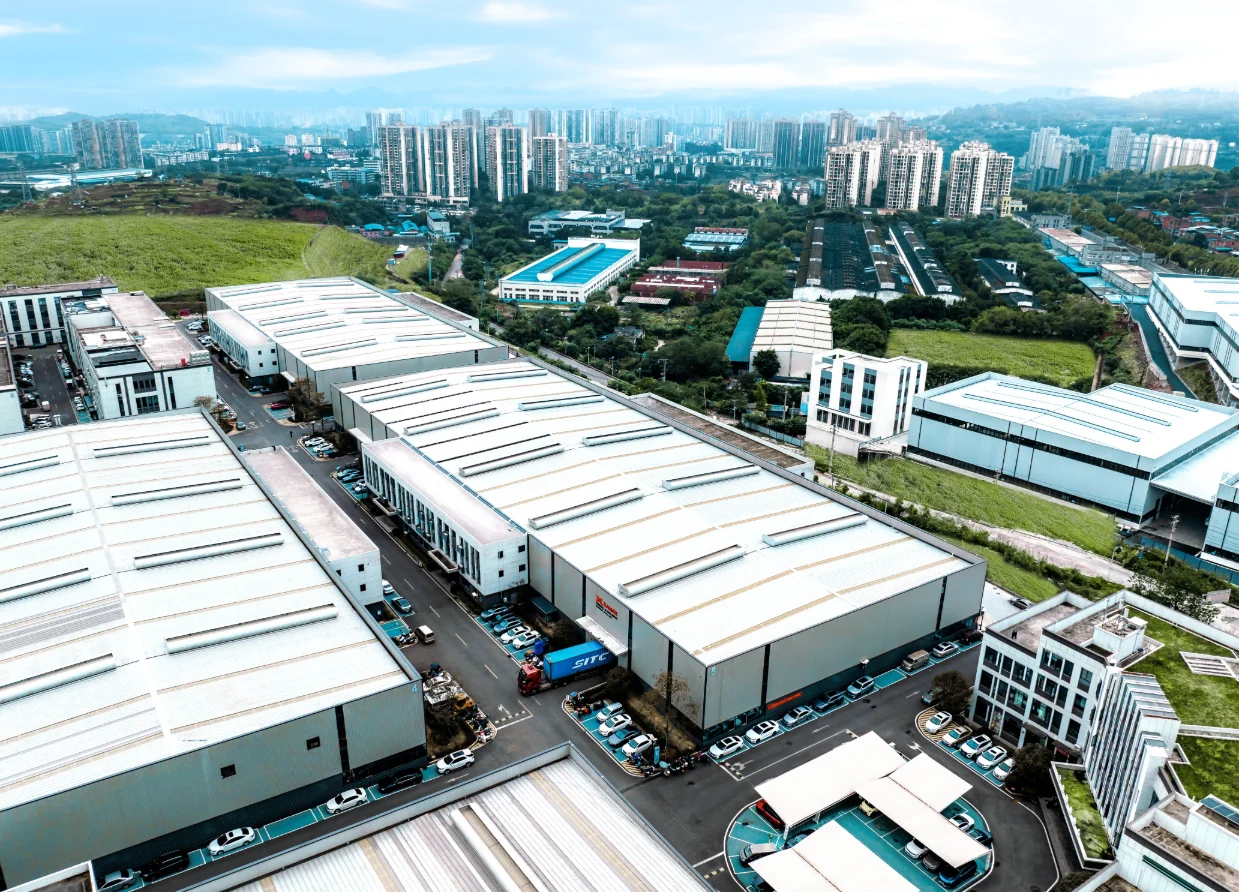
After more than 20 years in motorcycle manufacturing, I’ve found that many people—including professionals within the industry—only have a partial understanding of how a motorcycle is actually made.
As an OEM and ODM motorcycle manufacturer, operating three production facilities globally and supplying overseas importers and distributors across Southeast Asia, South America, and Europe, we manage far more than assembly. We are responsible for engineering feasibility, quality systems, regulatory compliance, and long-term production stability.
This article explains the real motorcycle manufacturing process, based on factory-level experience, not marketing descriptions.
About the Article
What Is the Motorcycle Manufacturing Process?
From an OEM manufacturer’s perspective, the motorcycle manufacturing process is a structured, multi-stage system that transforms engineering concepts into compliant, road-ready motorcycles.
In practical terms, the process consists of seven core stages:
- Product design and engineering development
- Frame manufacturing and chassis construction
- Engine manufacturing and assembly
- Surface treatment and painting
- Final motorcycle assembly
- Quality control and functional testing
- Regulatory compliance and export preparation
Each stage directly affects durability, cost control, and whether a motorcycle can legally and reliably enter its target market.
Stage 1: Motorcycle Design and Engineering Development
Motorcycle manufacturing does not start on the production line. It starts with engineering decisions driven by market reality.
In OEM and ODM projects, we first define:
- Target market (Southeast Asia, South America, Europe)
- Emission and regulatory level (Euro 5+ or equivalent)
- Price positioning (economic, mid-range, or premium)
- Local road conditions, climate, and usage patterns
Engineering Is About Trade-Offs
Every motorcycle design is a balance between:
- Performance
- Durability
- Manufacturability
- Regulatory compliance
- Cost efficiency
We rely heavily on CAD and CAE simulation to validate frame geometry, engine mounting, suspension behavior, and heat management before tooling begins. This approach minimizes development risk and ensures that the design can be produced consistently across multiple factories and CKD/SKD programs.
Stage 2: Frame Manufacturing and Chassis Construction
The motorcycle frame is the structural foundation of the entire vehicle.
Frame Materials and Structure
Depending on the model and market, we typically use:
- High-tensile steel frames for durability and cost efficiency
- Reinforced tubular designs for rough road conditions
- Lightweight alloy components for higher-end motorcycles
Material selection affects not only weight and handling, but also welding methods, tooling investment, and long-term fatigue resistance.
Welding and Structural Control
Frame manufacturing combines:
- Robotic welding for dimensional consistency
- Manual TIG welding for high-stress structural areas
Each frame is subjected to:
- Dimensional inspection
- Welding quality verification
- Structural alignment checks
For export markets, especially Europe, structural consistency is essential for safety certification and long-term reliability.
Stage 3: Engine Manufacturing and Assembly
Engine manufacturing is the most precision-sensitive stage of motorcycle production.
Core Engine Component Manufacturing
Key components such as cylinder blocks, crankshafts, camshafts, and pistons are produced under strict tolerance control. Even small deviations can lead to vibration, oil consumption, or premature wear.
Assembly Discipline Determines Reliability
From experience, engine reliability depends more on assembly discipline than on design alone.
Our engine assembly process includes:
- Torque-controlled fastening
- Multi-stage inspection
- Oil pressure and compression testing
This level of control ensures consistent performance whether engines are shipped as complete units or as part of CKD/SKD kits for overseas assembly.
Stage 4: Surface Treatment and Painting
Surface treatment is critical for corrosion resistance and long-term appearance.
Anti-Corrosion Comes Before Paint
Before painting, metal components undergo:
- Degreasing
- Phosphating
- Anti-corrosion treatment
For frames and major metal parts, electrophoretic coating (E-coating) is widely used to provide uniform protection—especially important for humid climates in Southeast Asia and coastal regions in South America.
Paint Is a Functional Layer
Paint systems are selected based on:
- UV resistance
- Scratch resistance
- Environmental compliance
A motorcycle must maintain both appearance and protection throughout its service life, not just during showroom display.
Stage 5: Motorcycle Assembly Line Process
Final assembly is where engineering design becomes a complete motorcycle.
Assembly Line Structure
A typical assembly line includes:
- Sub-assembly stations
- Main assembly line
- Final inspection and adjustment zones
Although automation improves efficiency, skilled technicians remain essential for correct cable routing, torque application, and alignment.
Assembly quality is determined by standardized work procedures and process discipline, not speed.
Stage 6: Quality Control and Functional Testing
Quality control in motorcycle manufacturing is a continuous system, not a final checkpoint.
Incoming Quality Control (IQC)
All incoming components are inspected for:
- Dimensional accuracy
- Material consistency
- Surface defects
In-Process Quality Control (IPQC)
During production, we monitor:
- Critical torque values
- Assembly sequence accuracy
- Process deviations
Final Inspection and Testing
Before shipment, each motorcycle undergoes:
- Electrical system verification
- Engine start-up and idle testing
- Brake and suspension checks
This layered approach ensures stable quality across different models and markets.
Stage 7: Regulatory Compliance and Export Preparation
For export-oriented manufacturers, regulatory compliance determines market access.
Emission and Safety Standards
Our manufacturing systems are designed to meet:
- Euro 5+ emission standards (Understanding Euro 5 and Euro 5+)
- Noise regulations
- Market-specific safety requirements
Compliance is integrated into design and production from the beginning, rather than added afterward.
Why Early Compliance Planning Matters
Attempting to modify a motorcycle after production to meet regulations often results in delays, rework, and increased costs. Early compliance planning protects both manufacturers and importers.
CKD and SKD Motorcycle Manufacturing Explained
CKD (Completely Knocked Down) and SKD (Semi Knocked Down) manufacturing play a major role in overseas markets.
Why Importers Choose CKD/SKD
Importers use CKD/SKD programs to:
- Reduce import duties
- Support local assembly policies
- Improve market flexibility
What Makes a CKD/SKD Program Successful
A successful program requires:
- Assembly-friendly product design
- Standardized packaging
- Clear documentation
- Ongoing technical support
Without these elements, CKD projects often face quality and consistency challenges.
Key Challenges in Modern Motorcycle Manufacturing
Balancing Cost and Quality
Markets demand competitive pricing while expecting higher quality. Managing this balance requires strong supplier control and disciplined manufacturing processes.
Supply Chain Stability
Global disruptions have highlighted the importance of reliable suppliers and diversified sourcing.
Preparing for Electrification
While internal combustion motorcycles remain dominant in many regions, electrification is influencing manufacturing layouts, supplier selection, and long-term investment planning.
The Future of Motorcycle Manufacturing: An OEM Perspective
From long-term manufacturing experience, the future of motorcycle manufacturing will be shaped by:
- Modular platforms
- Flexible production lines
- Market-specific customization
- Strong OEM–importer partnerships
Manufacturers that focus on process discipline, compliance capability, and long-term cooperation will remain competitive.
What Defines a Reliable Motorcycle Manufacturer?
A reliable motorcycle manufacturer is defined by:
- Engineering-driven product development
- Controlled and repeatable manufacturing processes
- Certified quality systems such as ISO 9001
- Proven export and regulatory compliance experience
Understanding the motorcycle manufacturing process is essential for importers and distributors who aim to build durable, compliant, and competitive brands.
A Comprehensive Guide to Importing Motorcycles from China
FAQ: Motorcycle Manufacturing Process
What is the motorcycle manufacturing process?
It includes design, frame manufacturing, engine assembly, surface treatment, final assembly, quality control, and regulatory compliance.
How long does it take to manufacture a motorcycle?
Final assembly may take several hours, but the full production cycle from design to shipment usually takes several months.
What is the difference between OEM and ODM motorcycle manufacturing?
OEM follows the client’s design, while ODM includes design and engineering provided by the manufacturer.
What materials are used in motorcycle frames?
Most frames use high-tensile steel, with alloy components used in higher-end models.
How is quality controlled during manufacturing?
Through incoming inspection, in-process monitoring, and final functional testing.
What does Euro 5+ compliance mean?
It requires strict control of emissions, noise, and onboard diagnostics, integrated into design and production.
What is CKD and SKD manufacturing?
It involves shipping motorcycles as parts or semi-assembled units for local assembly to reduce duties and meet regulations.
Final Thoughts
Motorcycle manufacturing is not simply about assembling components. It is about engineering responsibility, manufacturing discipline, and long-term market understanding.
After more than two decades in OEM and ODM motorcycle manufacturing, I believe transparency and process control are what truly define a sustainable manufacturer.