
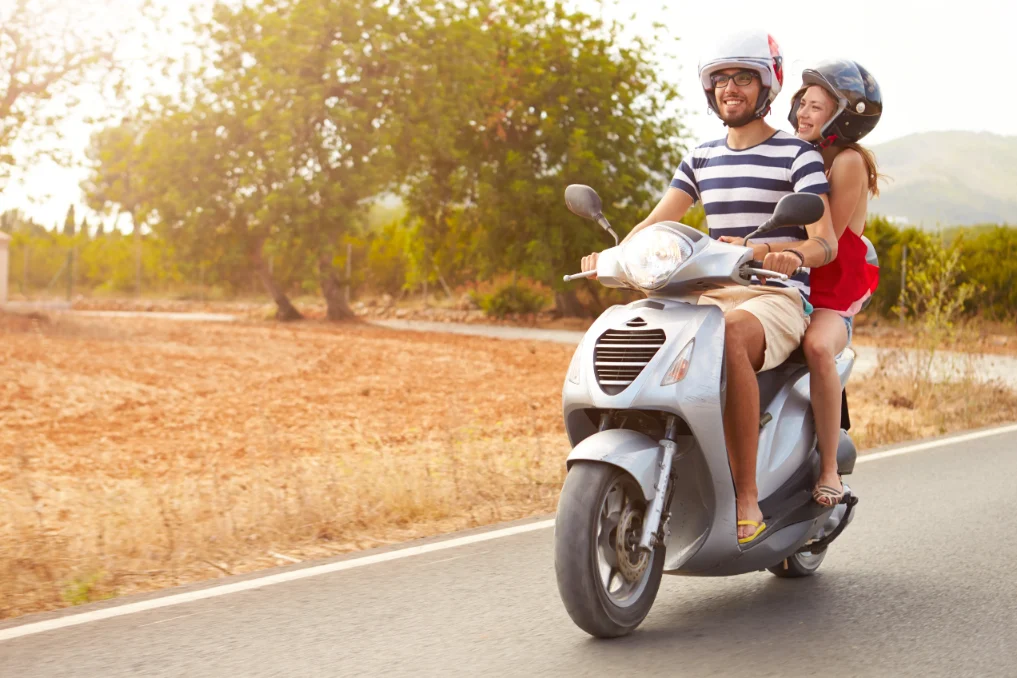
About the Article
Why I Finally Decided to Learn How to Ride a Scooter
If you’re traveling or living in Southeast Asia, learning how to ride a scooter is almost unavoidable.
I didn’t grow up riding motorcycles. Before coming to Southeast Asia, I had never even touched a scooter. The traffic looked chaotic, everyone seemed fearless, and honestly, it scared me. But after a few weeks of relying on taxis, walking under the tropical heat, and missing out on places that weren’t reachable by public transport, I realized something: not knowing how to ride a scooter was limiting my life here.
So I decided to learn.
This article is not written by a professional rider or an instructor. It’s written by someone who started as a complete beginner and learned step by step, made mistakes, stalled the engine, panicked in traffic, and slowly gained confidence.
If you’re searching for how to ride a scooter for beginners, especially in Southeast Asia, this guide will walk you through everything I wish someone had told me before I started.
Why Riding a Scooter in Southeast Asia Changes Everything
Once I learned how to ride a scooter, my experience in Southeast Asia completely changed.
Scooters aren’t just transportation here. They’re freedom.
Suddenly, I could:
- Explore hidden beaches and villages
- Avoid overpriced tourist taxis
- Move on my own schedule
- Experience daily local life instead of just tourist areas
In countries like Thailand, Vietnam, Indonesia, and Cambodia, scooters are the most practical way to get around. Roads are narrow, traffic is dense, and parking a car is often impossible. A scooter fits perfectly into this environment.
Learning how to ride a scooter in Southeast Asia isn’t about being adventurous. It’s about adapting.
Scooter Basics: What You Need to Understand Before Riding
What Is a Scooter (And Why It’s Easier Than You Think)
A scooter is different from a manual motorcycle.
Most scooters in Southeast Asia are automatic, meaning:
- No clutch
- No gear shifting
- Just throttle and brakes
This is why scooters are ideal for beginners.
Common engine sizes:
- 110–125cc: Perfect for beginners and city riding
- 150cc+: More power, but not necessary when learning
For your first time, always choose a small automatic scooter. More power doesn’t mean more safety when you’re learning.
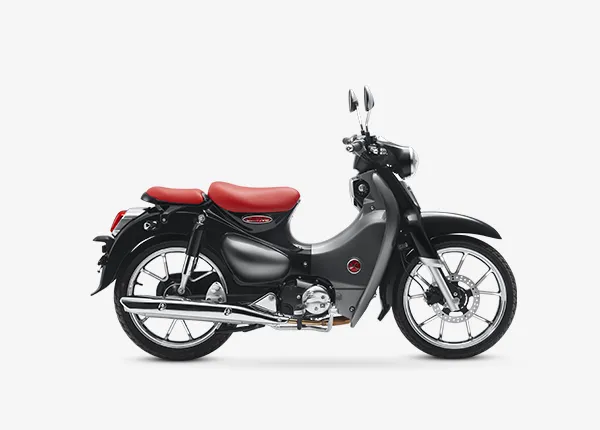
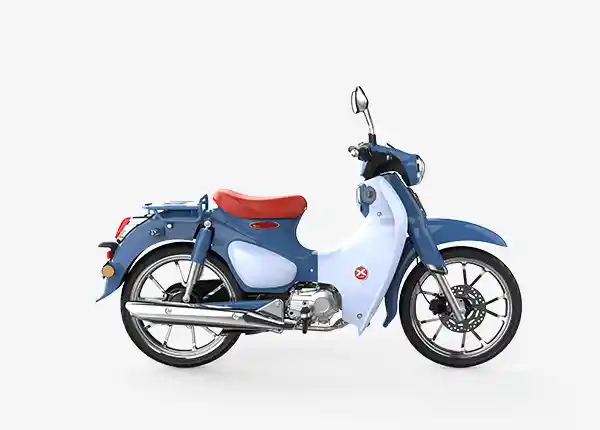
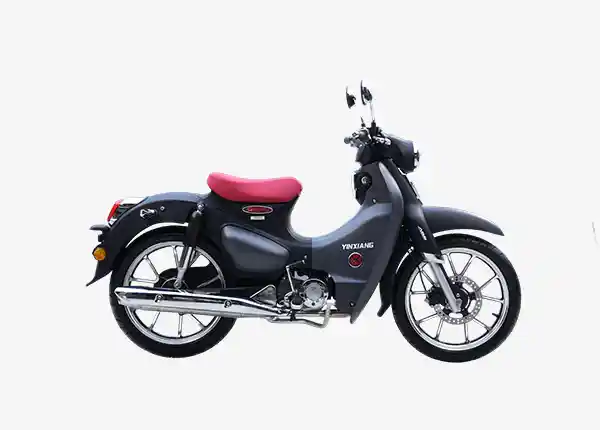
Scooter Controls You Must Know
Before riding, I spent time sitting on a parked scooter and learning the controls:
- Right handle: Throttle + front brake
- Left handle: Rear brake
- Key ignition: Often includes seat lock
- Kickstand / center stand
- Mirrors: Extremely important in Asian traffic
One beginner mistake I made was ignoring the mirrors. In Southeast Asia, traffic comes from everywhere. Use them constantly.
Step-by-Step: How to Ride a Scooter for the First Time
Step 1: Starting the Scooter Properly
Most scooters won’t start unless you:
- Put the kickstand up
- Hold one brake
- Turn the key and press the ignition
If the scooter doesn’t start, don’t panic. Check the kickstand first. I wasted five minutes my first time because of that.
Step 2: Learning Balance and Slow Control
Before entering traffic, I practiced in an empty parking lot.
Here’s what helped:
- Keep both feet down at first
- Gently twist the throttle (very gently)
- Let the scooter move slowly
- Focus on balance, not speed
Scooters balance themselves better when moving slightly. Going too slow is harder than going steady.
Step 3: How to Accelerate Smoothly
This was my biggest beginner mistake.
I twisted the throttle too hard and felt the scooter jump forward. That’s how accidents happen.
Instead:
- Roll the throttle gradually
- Keep your wrist relaxed
- Think “smooth,” not “fast”
Scooters respond instantly. Respect that.
Step 4: Braking the Right Way
Braking technique is critical for safety.
- Use both brakes, not just one
- Apply pressure gradually
- Avoid sudden front-brake grabs
On wet roads (very common in Southeast Asia), braking gently is even more important. Rain + scooters = reduced traction.
Step 5: Turning and Cornering
When turning:
- Slow down before the turn
- Look where you want to go
- Lean slightly, don’t fight the scooter
Never brake hard while turning. This is one of the most common causes of falls.
Riding a Scooter in Southeast Asia Traffic (The Real Challenge)
Traffic here looks crazy, but it follows its own logic.
What I learned quickly:
- Scooters expect other scooters
- Cars expect scooters
- Hesitation is more dangerous than confidence
Key rules I follow:
- Go with the flow
- Stay predictable
- Don’t make sudden moves
- Assume others may not see you
In Southeast Asia, defensive riding matters more than strict rule-following.
Scooter Safety: What I Never Skip
Helmet and Gear (Non-Negotiable)
I always wear:
- A proper helmet (not just for police checks)
- Closed shoes
- Long pants
I’ve seen enough road rash scars to know better.
Dangerous Conditions to Avoid
If you’re a beginner, avoid:
- Riding at night
- Heavy rain
- Peak rush hour traffic
- Unfamiliar roads at high speed
Confidence should grow gradually.
Licenses, Insurance, and Legal Reality
This part is often ignored — until something goes wrong.
In many Southeast Asian countries:
- You technically need a motorcycle license
- An International Driving Permit (IDP) is often required
- Insurance may be invalid without a license
Even if rental shops don’t ask, accidents change everything. Medical bills, police reports, and insurance claims depend on legality.
I strongly recommend sorting this out before riding regularly.
Renting a Scooter: Practical Tips
Before renting:
- Check brakes, tires, lights
- Take photos of existing damage
- Ask about fuel type
- Clarify return rules
Avoid leaving your passport unless absolutely necessary.
Common Beginner Mistakes I Made (So You Don’t)
- Riding too fast too soon
- Ignoring road conditions
- Underestimating rain
- Overconfidence after a few good rides
Scooter riding feels easy — until it isn’t.
Final Thoughts: Should You Learn How to Ride a Scooter?
If you’re staying in Southeast Asia for more than a short trip, yes — but do it responsibly.
Learning how to ride a scooter gave me freedom, confidence, and a deeper connection to the places I traveled. But it also taught me humility and respect for the road.
Start slow. Practice intentionally. Ride defensively.
And remember: arriving safely is always more important than arriving fast.