
When I first started riding seriously off-road, I faced a dilemma many beginners know too well: Dual Sport or Adventure Motorcycle — which one should I choose? Over years of riding dirt trails, gravel roads, and remote regions, I’ve learned that the answer isn’t about which bike is “better,” but which one fits your riding style, terrain, and goals.
Before diving into the details, here’s the short answer:
Dual Sport motorcycles excel in lightweight, off-road performance and skill development, while Adventure motorcycles prioritize long-distance comfort and highway efficiency. Your choice should depend on where you ride most, your skill level, and whether you value maneuverability over convenience.
About this Article
Understanding the Bikes: Definitions & Evolution
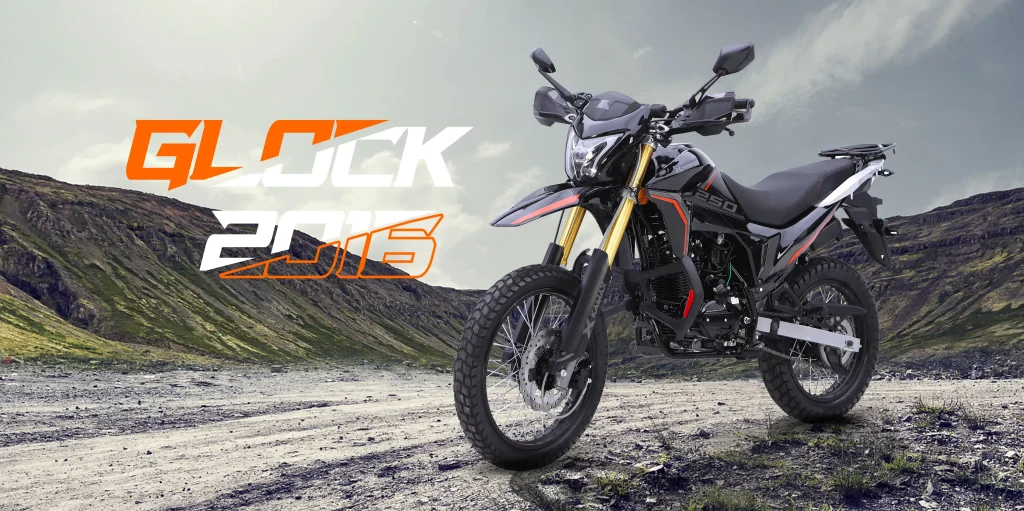
Dual Sport Motorcycles
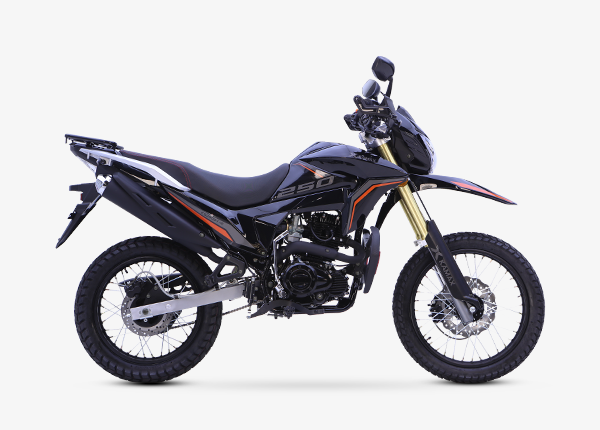
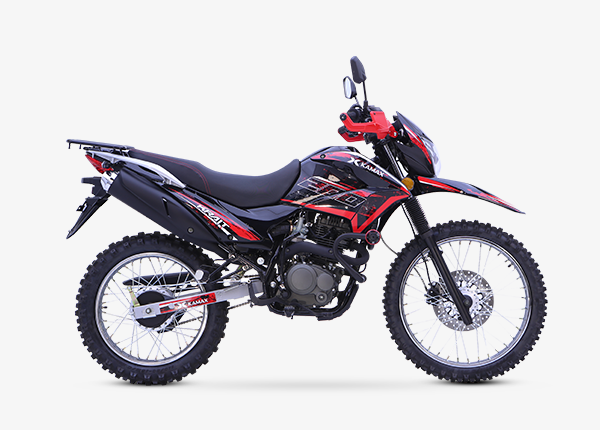
Dual Sport motorcycles trace their roots to Enduro bikes from the 1970s and 1980s. Originally designed for racing across dirt trails and forest roads, they evolved into street-legal machines capable of both paved roads and off-road adventures. Lightweight frames, long-travel suspension, and simple mechanics make them perfect for building off-road skills.
Adventure Motorcycles
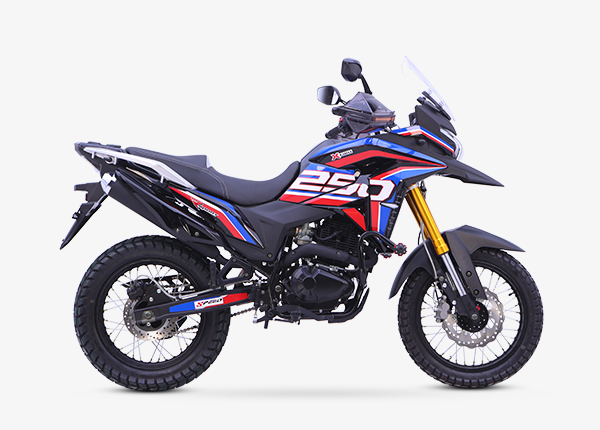
Adventure motorcycles, or ADV bikes, emerged in the early 1980s with models like the BMW R80G/S. They were designed for long-distance travel over mixed terrain, combining high-capacity fuel tanks, comfortable seating, and electronics to handle highways, gravel roads, and light off-road trails. Modern ADVs are heavier, more powerful, and luxurious — excellent for touring, but less forgiving off-road.
Dual Sport vs Adventure: Features and Pros/Cons
Here’s a side-by-side comparison of the two categories.
Dual Sport Motorcycles
Features:
- Lightweight frame (often 250–650cc engines)
- Long-travel suspension for off-road bumps
- Narrow tires for trail agility
- Minimal electronics, easy maintenance
Pros:
- Excellent off-road maneuverability
- Easy to pick up after drops
- Lower maintenance cost
- Helps beginners develop real off-road skills
Cons:
- Less comfortable for long highway rides
- Smaller fuel tanks limit range
- Lacks luxury features (windshields, heated grips)
Adventure Motorcycles
Features:
- Heavier frame, larger engines (700–1200cc+)
- Big fuel tank for long trips
- Comfortable seats, wind protection, advanced electronics
- Designed for highways and long-distance travel
Pros:
- Comfortable for long rides
- Excellent for carrying luggage
- Stable on highways and gravel roads
- Can handle light off-road trails
Cons:
- Difficult to maneuver on technical off-road trails
- Higher maintenance and repair costs
- Heavier weight increases fatigue on rough terrain
How to Choose the Right Bike
Here’s a practical framework based on real-world riding:
- If you ride mostly off-road: Choose a Dual Sport. You’ll get confidence, better control, and faster skill development.
- If you ride long highways with occasional dirt roads: Choose an Adventure Bike. Comfort and carrying capacity matter more.
- If your rides include remote areas (USA backcountry, Russian gravel roads, South American Andes trails): Dual Sport’s simplicity and durability often save the day.
- New riders learning off-road: Dual Sport is safer and easier to recover from mistakes.
Real Ride Scenarios
USA: BLM public lands and desert trails reward lightweight, agile bikes — Dual Sports dominate here.
Russia: Long gravel roads, uneven winter trails, and forest paths test durability and handling — a Dual Sport gives beginners more confidence.
South America: Mountain passes, poor infrastructure, and mud-heavy trails favor low-maintenance, simple bikes. Adventure motorcycles excel on paved highways, but the technical trails favor Dual Sport agility.
My Recommendation as a Rider and Manufacturer
I’ve built and ridden Dual Sport motorcycles for years. From my perspective, they remain the most honest and effective platform for beginner off-road riders. Adventure motorcycles have their place for touring and highway comfort, but they are less forgiving in technical off-road conditions.
When choosing, focus on durability, simplicity, and riding style, not just engine size or luxury features. And remember, the “best” motorcycle is the one that matches your real-world riding, not your imagination.
FAQ
Q: Can a Dual Sport handle long-distance travel?
A: Yes, but with smaller fuel tanks and less comfort than an ADV. They’re best for off-road skill-building and shorter trips.
Q: Are Adventure bikes bad off-road?
A: Not bad — just heavier and less agile. Beginners may struggle on tight trails.
Q: What engine size is best for beginners?
A: 250–450cc for Dual Sports; 700–800cc for Adventure bikes if you’re experienced.