
What is the difference between a standard motorcycle chain and a sealed chain?
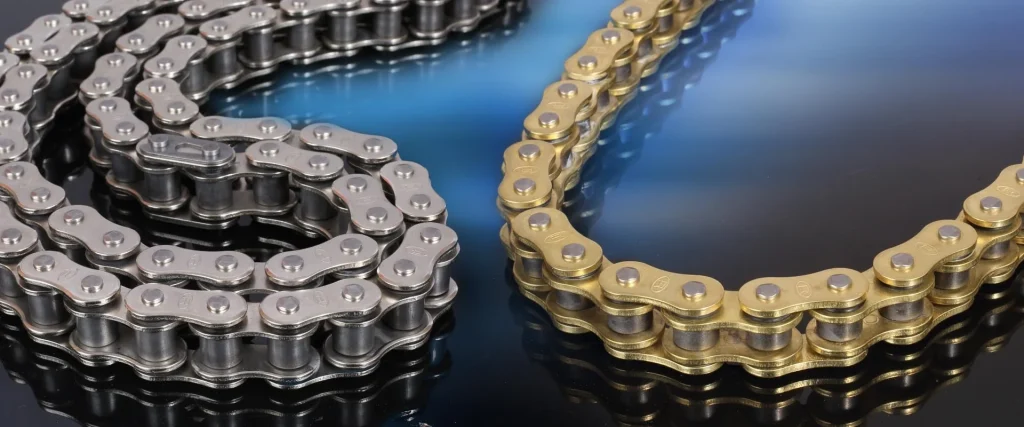
The main difference between a standard motorcycle chain and a sealed chain is how lubrication is handled and how long the chain lasts. A standard chain has no seals, so dirt and water can easily enter the chain links, requiring frequent cleaning and lubrication. A sealed chain, such as an O-ring or X-ring chain, uses rubber seals to retain factory grease inside the chain and block contaminants, resulting in smoother operation, longer lifespan, and lower maintenance. Standard chains are commonly used on small commuter or off-road motorcycles, while sealed chains are preferred for larger bikes and long-distance riding.
Hi, I’m Logan. I’ve been riding motorcycles for over 12 years — from daily commuting to long-distance touring. During that time, I’ve used both standard chains and sealed chains on different bikes and in very different riding conditions.
The differences between these two types of chains aren’t just technical details on paper. They directly affect how a bike feels, how much time you spend maintaining it, and how confident you feel on long rides. This article is based entirely on real riding experience, not theory.
You will Learn
Design and Structure: Open vs. Sealed Systems
Standard Motorcycle Chain (Non-Sealed Chain)
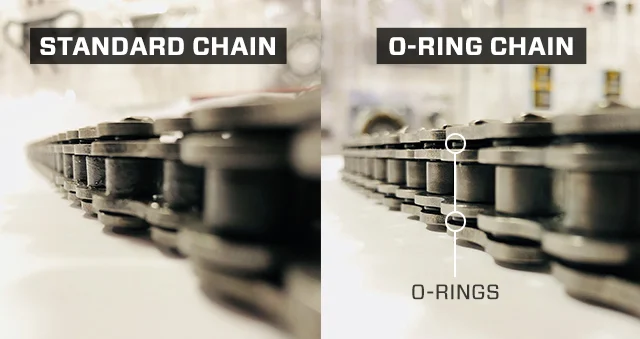
A standard motorcycle chain, often called a roller chain, has a very simple structure. It consists of rollers, bushings, and side plates, with no sealing elements at all. The internal components are completely exposed to the environment.
On a new chain, this isn’t immediately obvious. But after months of riding, especially in dusty or wet conditions, the gaps between the links start filling with grime, old lubricant, and road debris. Over time, the chain looks dry, dark, and worn — even if it’s still functional.
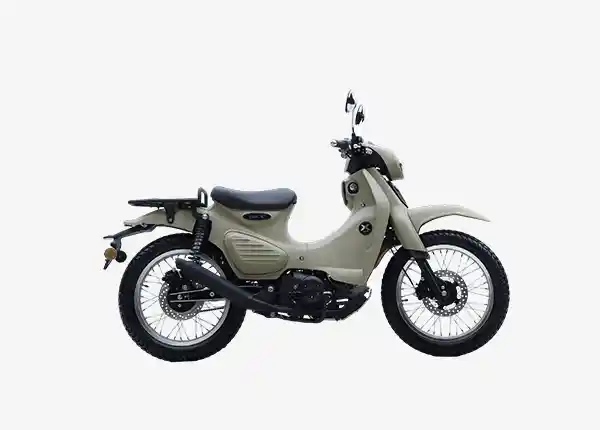
Today, standard chains are still widely used on small-displacement commuter bikes and off-road motorcycles, where low cost, light weight, and easy replacement matter more than long service life.
Sealed Motorcycle Chain (O-Ring / X-Ring Chain)
When I switched to a larger-displacement motorcycle, I started using sealed chains. Visually, the difference is obvious right away. Sealed chains look thicker and more solid, with rubber rings visible between the side plates.
Those small rubber seals — O-rings or X-rings — are the key feature. They trap factory-applied grease inside each chain link and prevent dirt, sand, and water from getting in. As a result, internal lubrication stays consistent for a very long time.
In simple terms:
- Standard chains are fully open systems
- Sealed chains are semi-closed systems designed for durability
Lubrication and Maintenance: Time-Consuming vs. Low Effort
Maintaining a Standard Chain
Because standard chains have no seals, all lubrication comes from the outside. Chain lube can reduce friction, but it doesn’t stay inside the chain for long.
When I rode standard chains — especially on off-road bikes — lubrication was almost a routine after every ride. Rain or mud meant immediate cleaning and re-lubing. If I skipped maintenance, the chain quickly became noisy and rough.
Another issue is oil fling. Excess lubricant gets thrown onto the rear wheel, swingarm, and even riding gear. Keeping the bike clean becomes a constant task.
Maintaining a Sealed Chain
Sealed chains are far easier to live with. Since the internal grease is already sealed in, lubrication mainly serves to protect the rubber seals and reduce surface friction.
In my experience, lubricating a sealed chain every 100–500 km, depending on weather and riding conditions, is more than enough. After riding in rain, a simple wipe-down is usually all that’s needed.
One important mistake I made early on: using a high-pressure washer. High pressure can damage the seals and force grease out of the chain, which actually shortens its lifespan. Low-pressure water or manual cleaning is always the better option.
Wear and Lifespan: A Clear Long-Term Difference
How Long Does a Standard Chain Last?
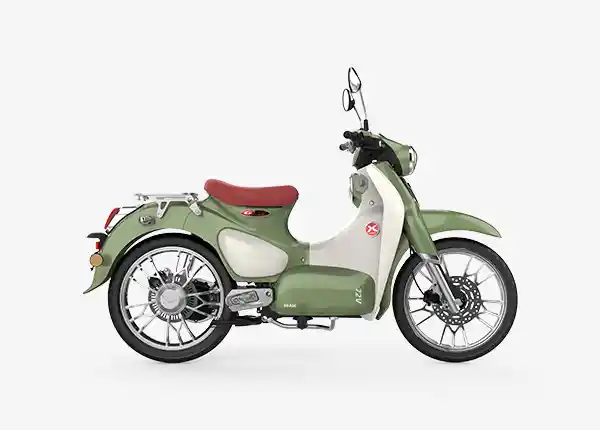
On my commuter bike, riding about 20–30 km per day with regular maintenance, a standard chain typically lasted 1–2 years, or roughly 10,000–20,000 km.
Over time, I noticed chain stretch, stiff links, and occasional skipping under load. For long-distance rides, this always caused some concern, especially regarding reliability.
How Long Does a Sealed Chain Last?
My current sealed chain has been in use for over two years and nearly 30,000 km, and it still runs smoothly with no abnormal noise.
Thanks to sealed lubrication, internal wear is dramatically reduced. With proper care, sealed chains often last two to three times longer than standard chains, commonly reaching 30,000–50,000 km or more.
That said, sealed chains are not maintenance-free. If the rubber seals harden or crack — usually due to neglect or incompatible chain lubricant — wear will accelerate quickly.
Riding Feel: Small Differences That Add Up
Riding with a Standard Chain
Standard chains are lighter and feel very direct, especially at low speeds. For city riding, this can make the bike feel responsive and lively.
However, as wear increases, so do vibration and noise. Acceleration and deceleration become less smooth, and chain lash becomes more noticeable over time.
Riding with a Sealed Chain
Sealed chains are slightly heavier, so low-speed response can feel marginally less sharp. But in return, they deliver excellent smoothness and stability.
At higher speeds and on long rides, the difference is very noticeable. Power delivery feels consistent, vibrations are reduced, and overall fatigue is lower. For touring and highway riding, sealed chains provide much greater confidence.
Standard Chain vs. Sealed Chain: Key Differences
| Feature | Standard Motorcycle Chain | Sealed Motorcycle Chain |
|---|---|---|
| Internal Lubrication | External lubrication only | Factory grease sealed inside |
| Protection from Dirt & Water | None | O-ring / X-ring seals |
| Maintenance Frequency | Very high | Low |
| Oil Fling | Common | Minimal |
| Typical Lifespan | 10,000–20,000 km | 30,000–50,000 km or more |
| Riding Smoothness | Decreases over time | Consistently smooth |
| Common Use | Small bikes, off-road | Large bikes, touring |
Which Motorcycle Chain Should You Choose?
- Choose a standard motorcycle chain if you ride short distances, want the lowest upfront cost, and don’t mind frequent maintenance.
- Choose a sealed chain (O-ring or X-ring) if you ride often, travel long distances, and value durability and reliability.
- Sealed chains cost more initially, but often provide better value over time due to their longer lifespan.
- There is no universally “better” chain — the right choice depends on riding style, mileage, and maintenance habits.
FAQ: Standard vs Sealed Motorcycle Chains
Q1: What is the difference between a standard motorcycle chain and a sealed chain?
A1: A standard motorcycle chain has no seals, exposing its internal components to dirt and water, which requires frequent lubrication. A sealed chain, such as an O-ring or X-ring chain, has rubber seals that trap grease inside, protect against contaminants, and provide smoother operation, longer lifespan, and lower maintenance.
Q2: How often should I lubricate a sealed motorcycle chain?
A2: Sealed chains typically need lubrication every 100–500 km, depending on riding conditions and weather. After riding in rain, a simple wipe-down of the surface is usually sufficient. Avoid using high-pressure water, which can damage the seals and force grease out.
Q3: Which motorcycle chain is better for long-distance riding?
A3: Sealed chains are better for long-distance riding. They retain internal lubrication, resist dirt and water, maintain smooth operation, and last significantly longer than standard chains, making them ideal for touring or high-mileage use.
Q4: Are standard motorcycle chains cheaper than sealed chains?
A4: Yes. Standard chains have a lower upfront cost and are easier to replace, but they require frequent maintenance and wear out faster. Sealed chains are more expensive initially, but their reduced maintenance and longer lifespan often make them more cost-effective over time.
Q5: Can I use high-pressure water to clean a sealed motorcycle chain?
A5: No. High-pressure water can damage the O-ring or X-ring seals, causing the grease inside to escape and accelerating wear. Use low-pressure water, a damp cloth, or specialized chain cleaning tools to maintain sealed chains safely.
Final Thoughts
After more than a decade of riding, my conclusion is simple:
the best motorcycle chain is the one that fits your riding needs.
Standard chains offer simplicity and affordability. Sealed chains offer longevity, smoothness, and peace of mind. Understanding the differences helps you make a choice that keeps riding enjoyable — and worry-free — for the long run.