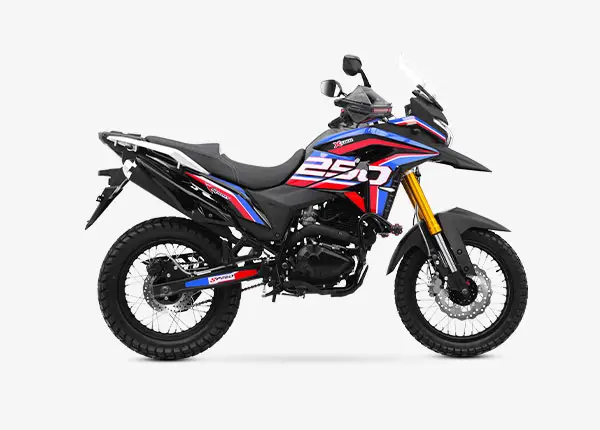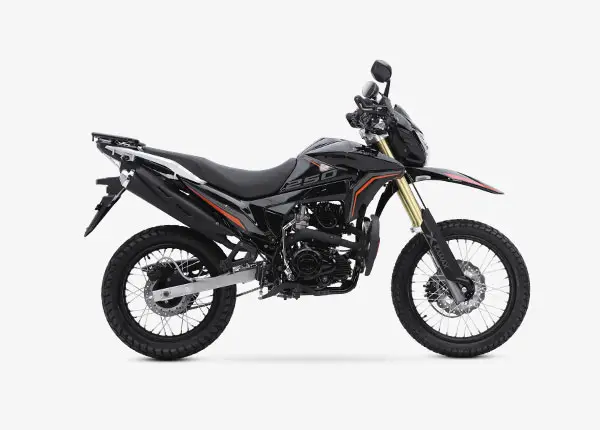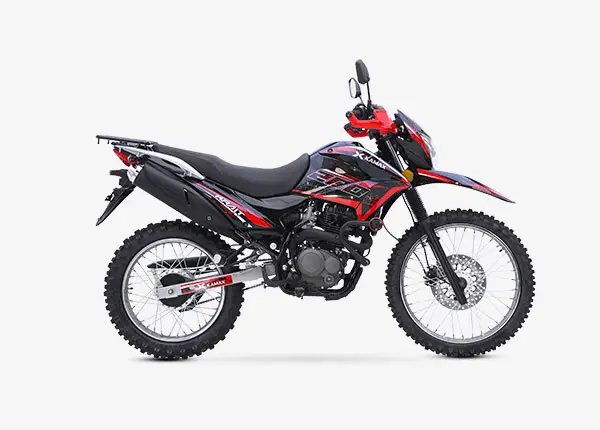
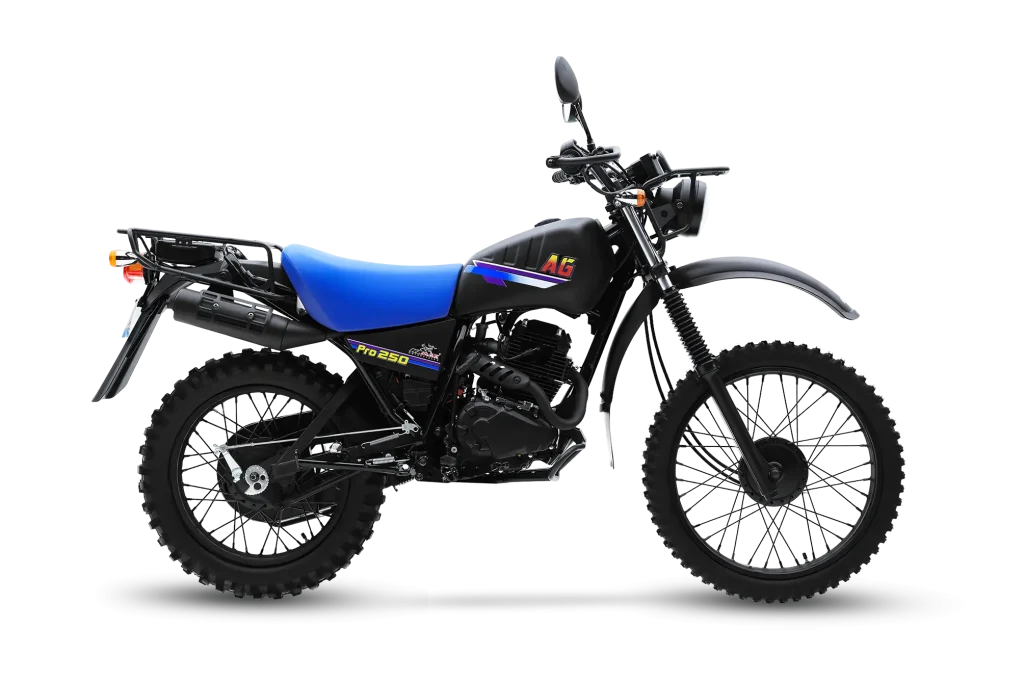
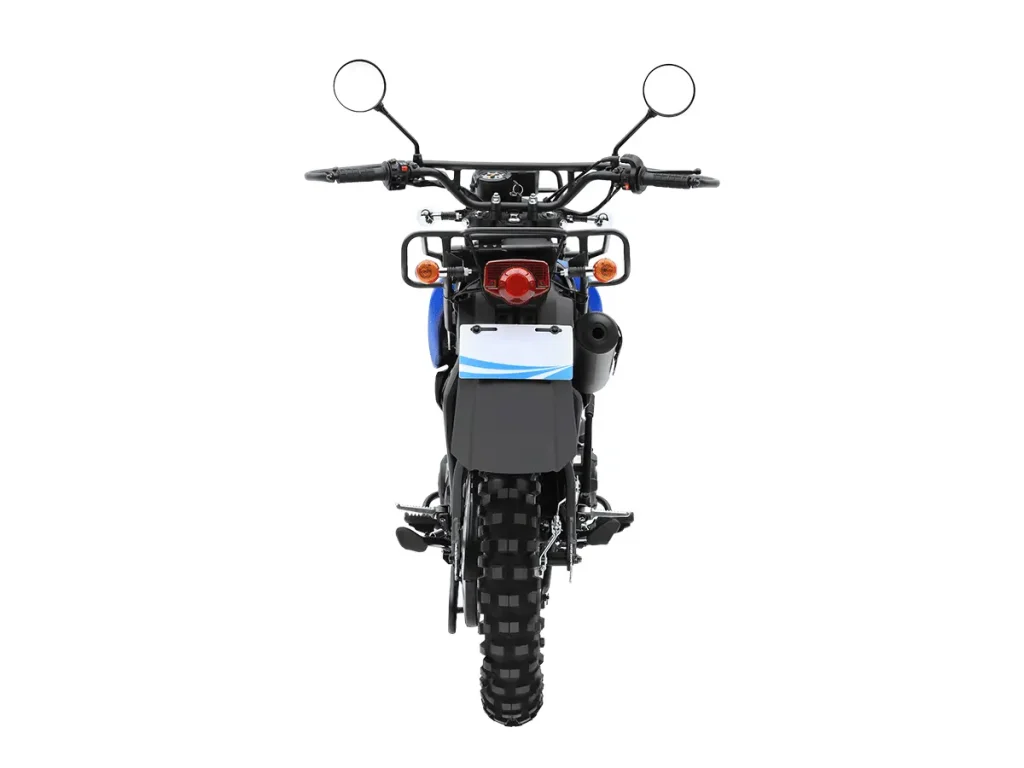
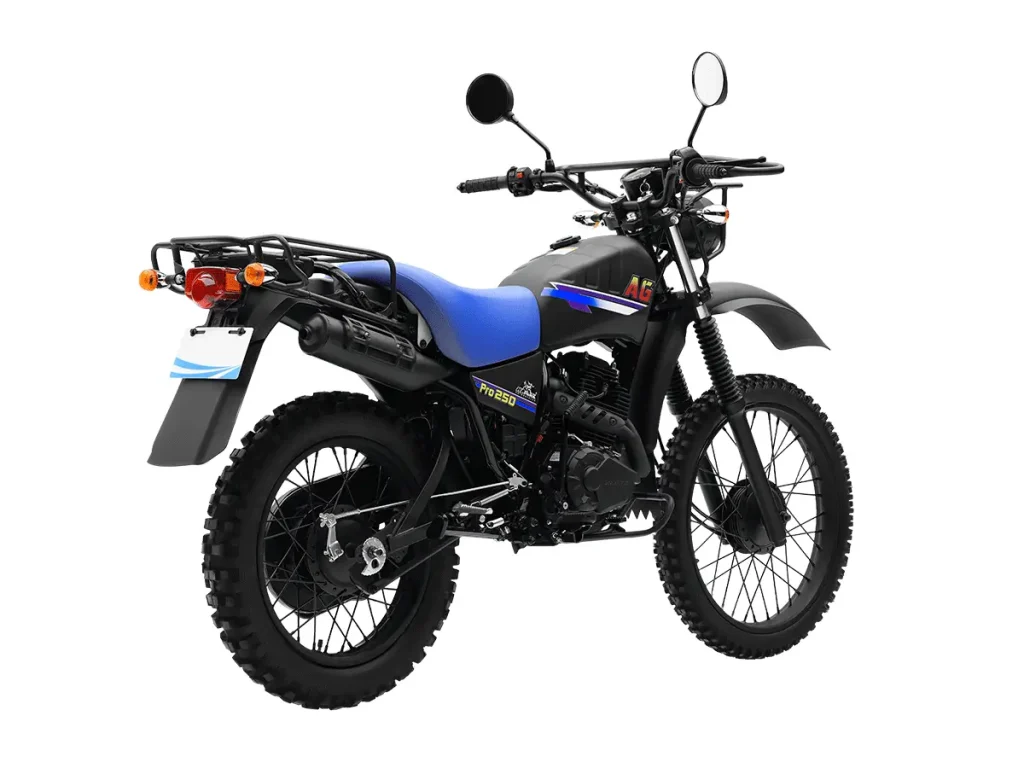
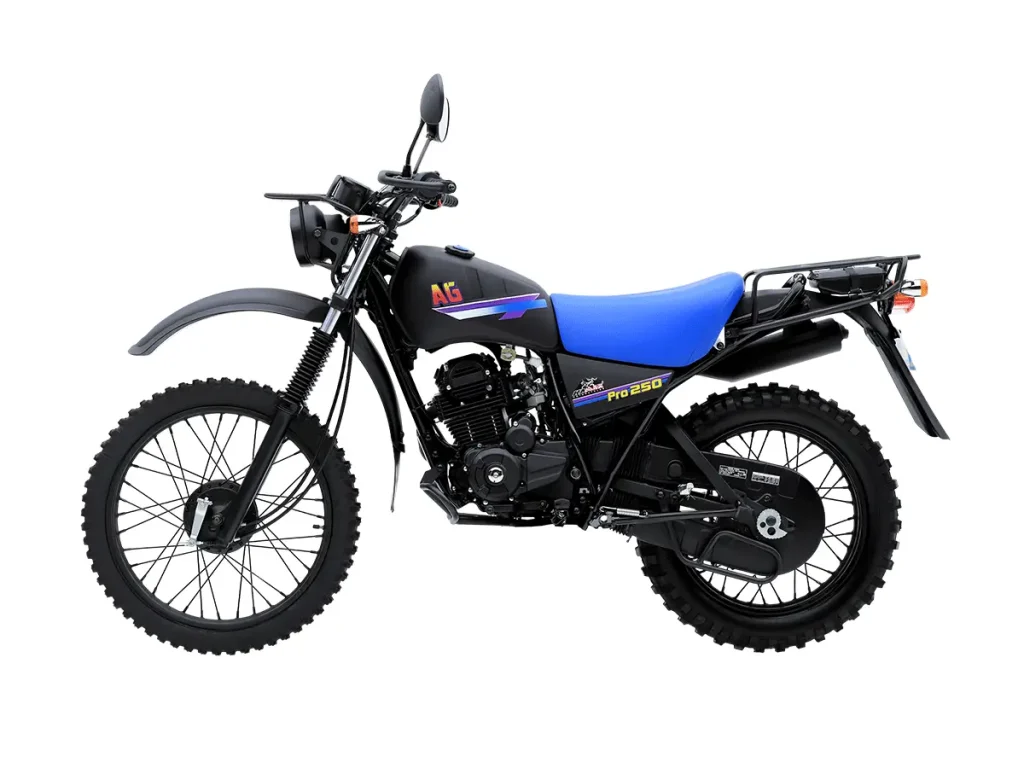
For agricultural cooperatives, large-scale plantation managers, and international distributors, choosing the right transport vehicle isn’t just about moving from point A to point B. It’s a strategic decision that affects operating margins, maintenance cycles, and worker productivity.
In many regions of Latin America, Southeast Asia, and Africa, the limitations of traditional 4×4 trucks and ATVs are becoming clear. High fuel costs and the inability to navigate narrow crop rows have led to a resurgence in specialized farm motorcycles.
This guide explores why the AG200 agricultural motorcycle has become the gold standard for agricultural work and how B2B buyers should evaluate their options in 2026.
About the Article
1. Why Global Importers are Prioritizing Specialized Farm Utility Motorcycles
A common mistake for distributors is importing standard street bikes for rural use. On a farm, a motorcycle isn’t a vehicle; it’s a heavy-duty tool. Standard bikes fail in these environments for three reasons:
- Suspension Fatigue: Street shocks cannot handle 40–60 km per day of “washboard” dirt roads.
- Dust Ingress: Standard air filters clog in minutes during harvest season, leading to engine seizure.
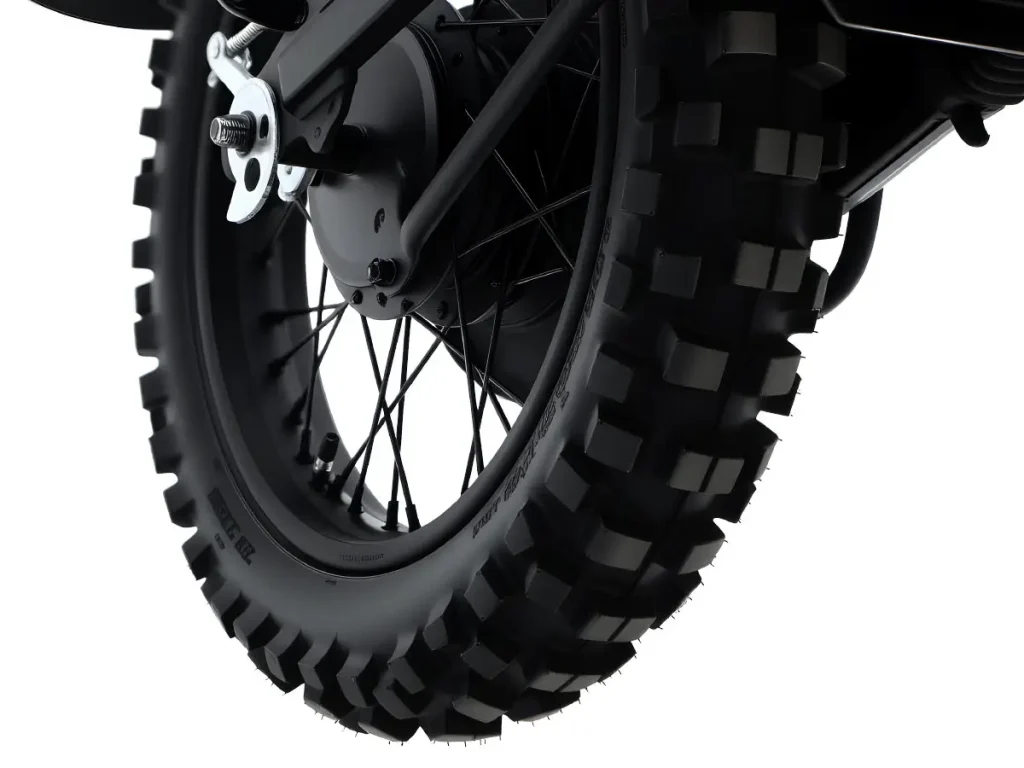
- Torque Mismatch: High-speed gearing is useless in deep mud; you need “low-end grunt.”
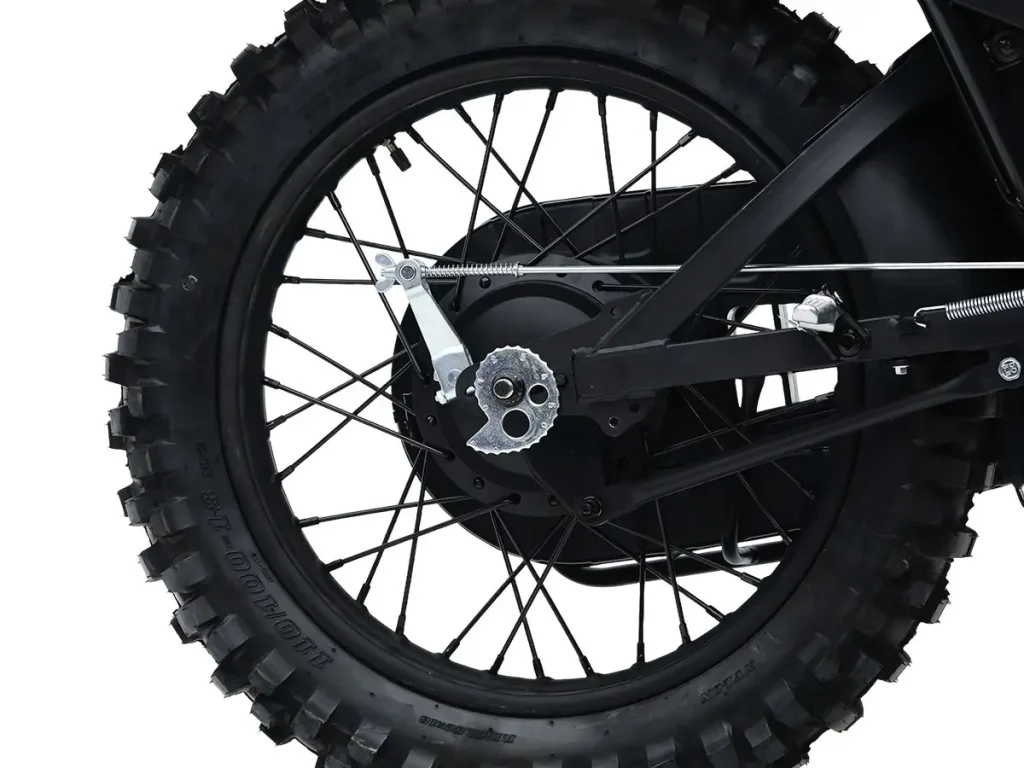
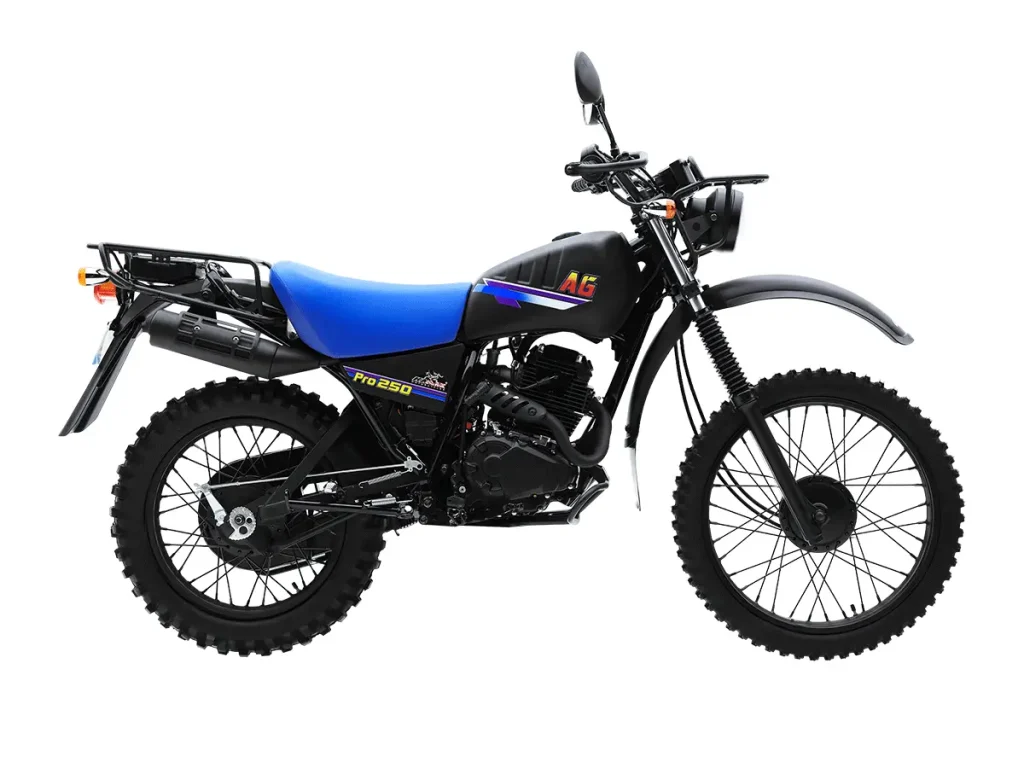
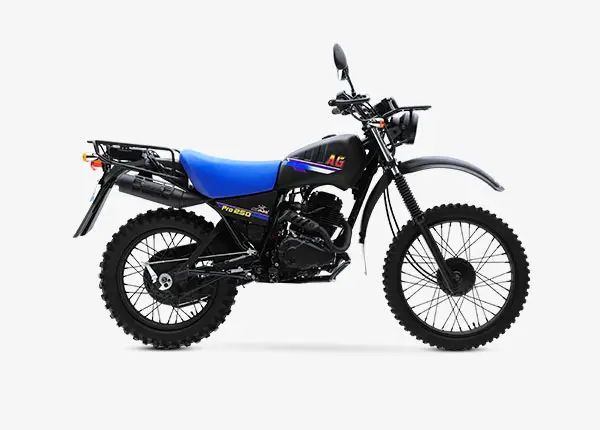
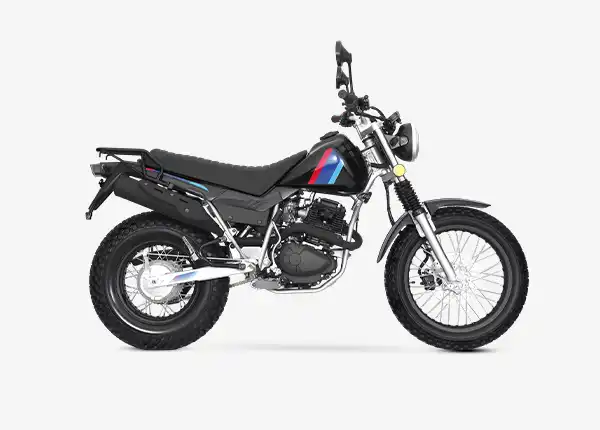
The KAMAX AG200 agricultural motorcycle was engineered to solve these specific “field-fail” points, prioritizing survival over aesthetics.
2. AG200 Technical Specs: Engineering a Reliable Workhorse for Remote Farm Operations
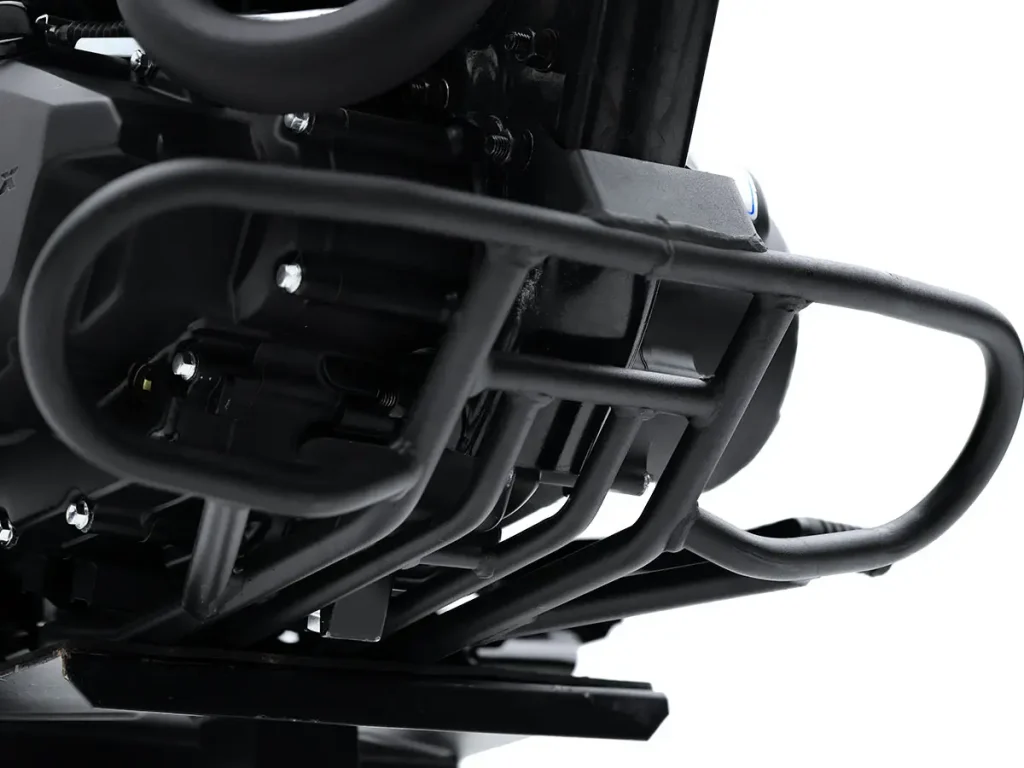
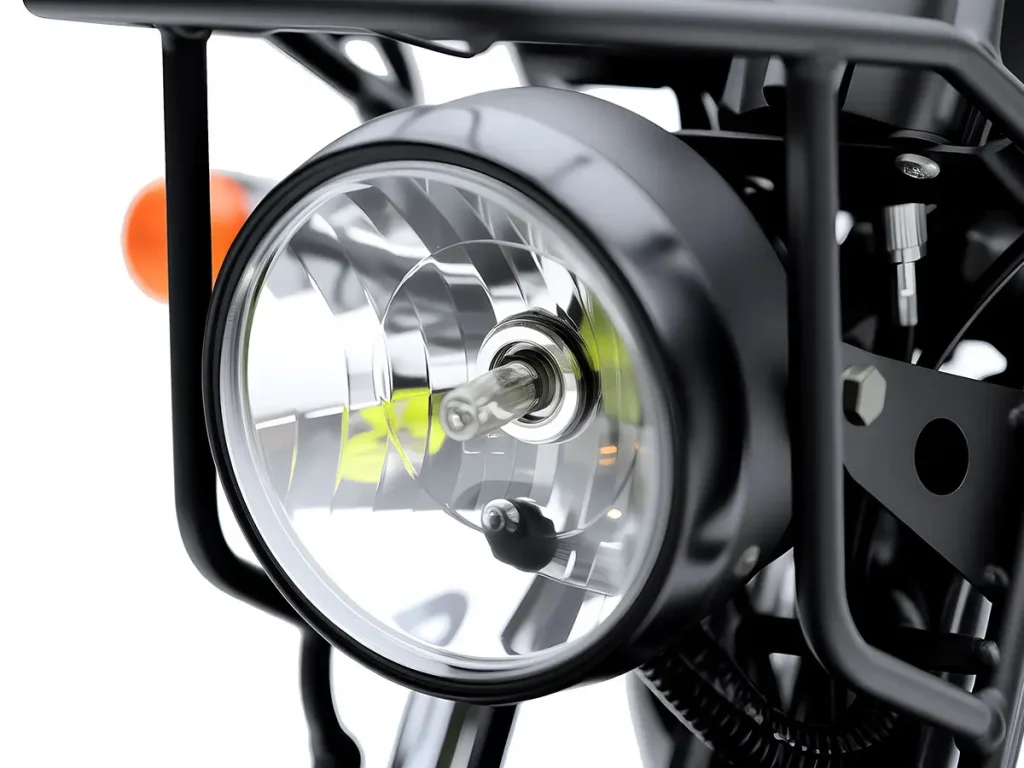
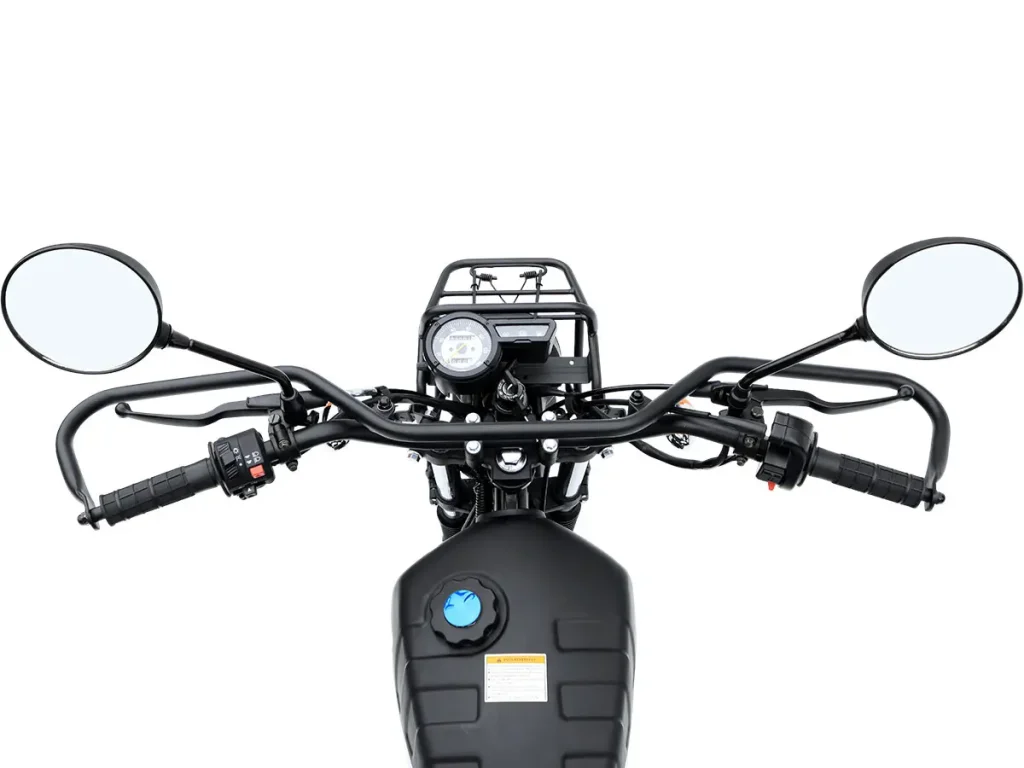
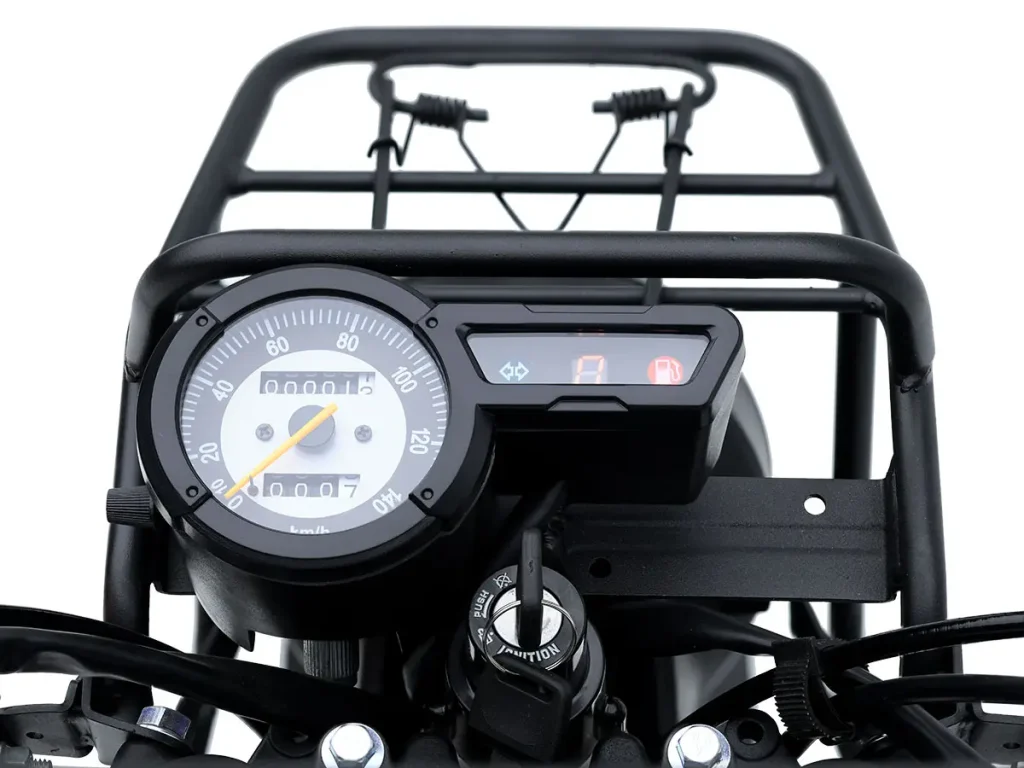
A. The Power of Simplicity (Engine & Cooling)
While the world moves toward complex liquid-cooled engines, the agricultural sector remains loyal to Air-Cooled 200cc engines.
- Why? In remote forestry sites, there is no specialized coolant. A radiator leak means a dead engine. The AG200’s air-cooled system eliminates the water pump, radiator, and hoses—the three most common points of failure in remote operations.
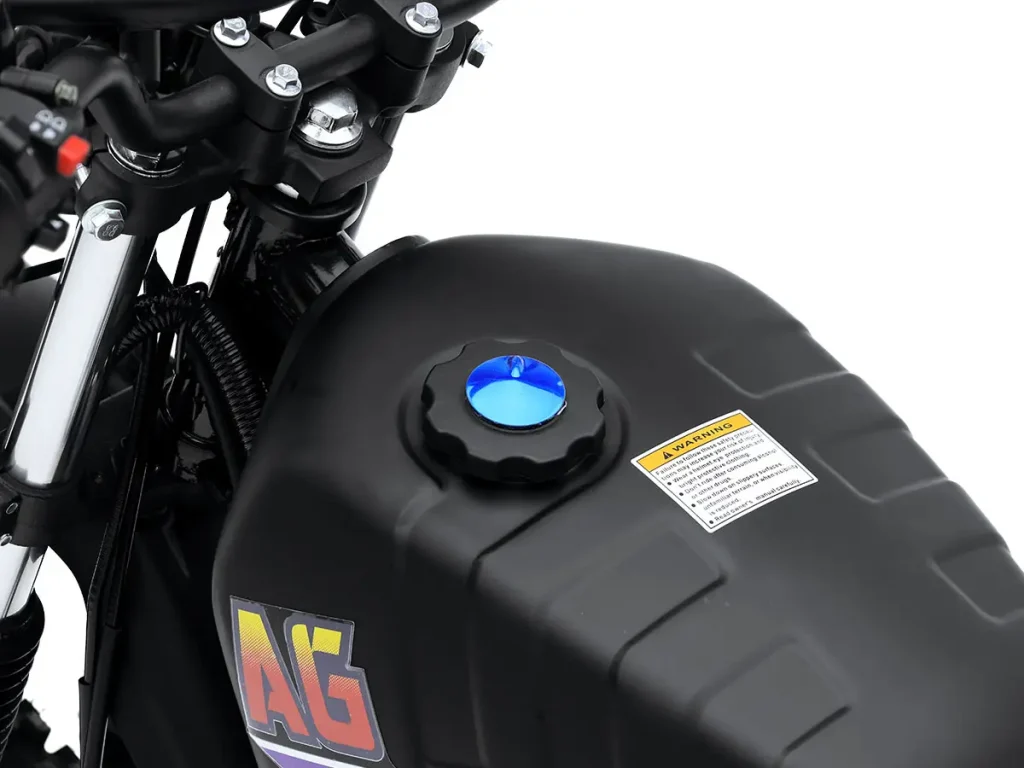
- Fuel Strategy: Tuned for the variable fuel quality often found in rural stations, ensuring the carburetor system (or optional EFI for specific markets) remains reliable without sophisticated diagnostic tools.
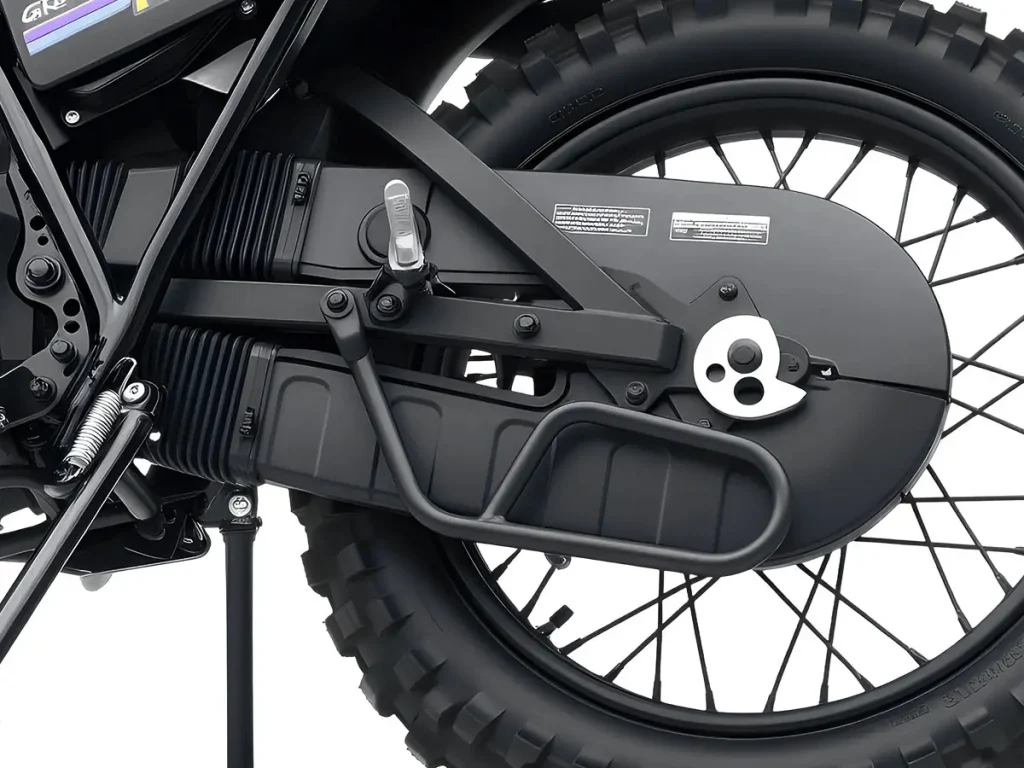
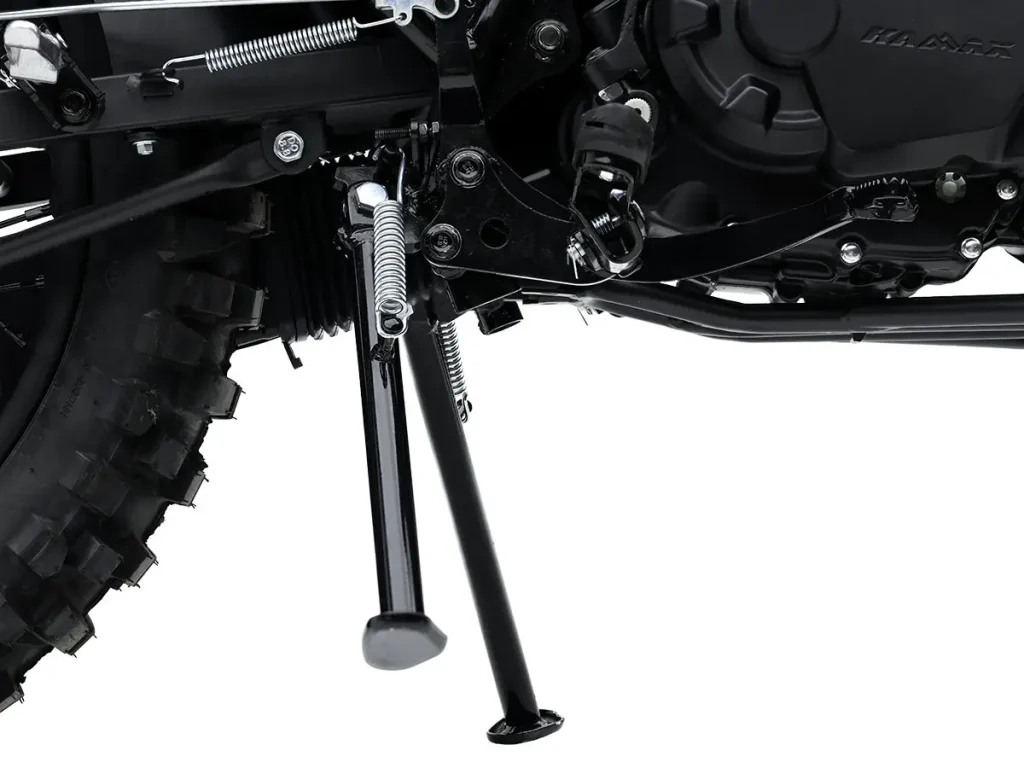
B. The “Dual-Stand” Innovation
One of the most praised features by ranch workers is the dual-sided stand system. On soft, uneven soil, a standard motorcycle often tips over. By providing heavy-duty stands on both the left and right sides, the AG200 can be parked securely on slopes or muddy terrain, protecting the cargo and the chassis.
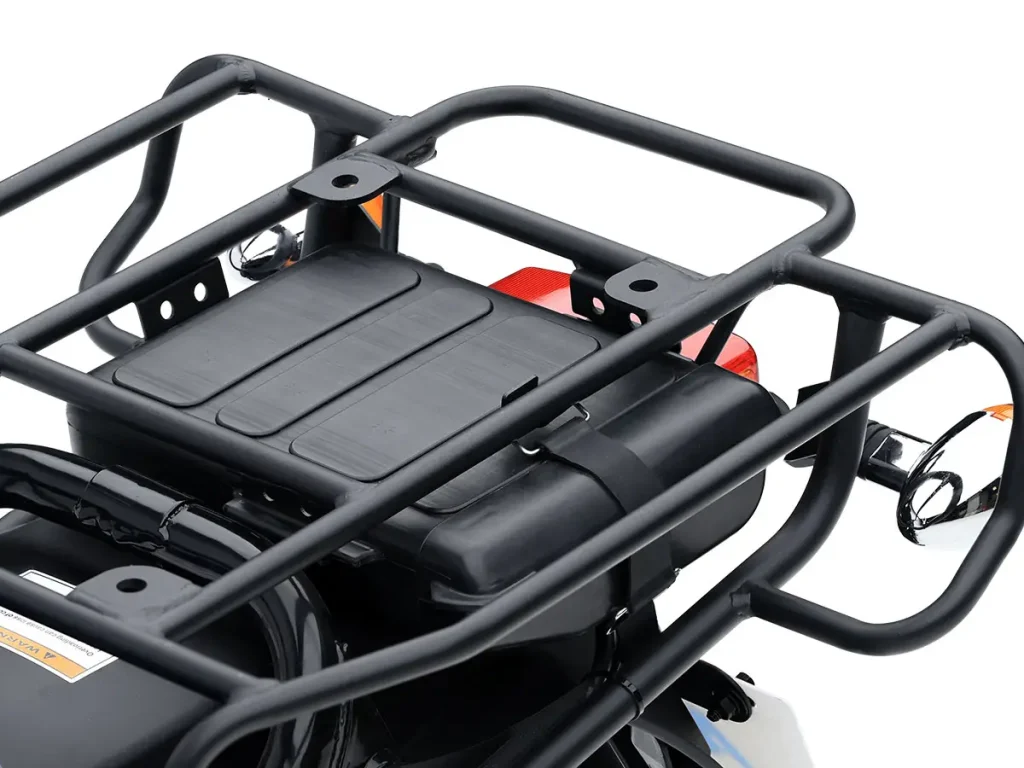
C. Integrated Cargo Capacity
Agricultural work involves carrying tools, fencing wire, or veterinary supplies. Unlike aftermarket racks that crack under vibration, the AG200 features factory-integrated front and rear steel carriers. These are welded directly to the reinforced frame, ensuring stability even when carrying maximum load capacity over rough ground.
| Displacement: 197cc | Compression: 9.1:1 |
| Engine Type: 200CC four stroke, air-cool | Output, Max(Kw/Rpm): 10kw/7500rpm |
| Starting System: Electric/Kick | Torque, Max(N.M/Rpm): 13.5kw/6500rpm |
| Gear and Clutch: 5-Speed | Ignition: CDI |
| Drive Train: Chain drive | Size: 385×355×505mm |
3. B2B Cost Analysis: AG200 vs. ATVs—Maximizing ROI for Plantation Managers
For a plantation manager, the decision is a numbers game. Let’s look at the Total Cost of Ownership (TCO) over a 24-month cycle:
You can equip a team of five scouts with AG200s for the cost of one mid-range ATV, covering significantly more territory in the same timeframe.
For a professional farm manager, the decision comes down to the Total Cost of Ownership (TCO). When compared to traditional 4×4 vehicles or ATVs, the AG200 offers a clear economic advantage.
Cost Comparison
| Metric | 4×4 Utility Pickup | Standard 4×4 ATV | KAMAX AG200 |
|---|---|---|---|
| Initial Investment | $35,000 – $45,000 | $6,500 – $11,000 | Competitive bulk pricing available |
| Fuel Consumption | 10 – 14 L/100km | 7 – 11 L/100km | 2.8 – 3.2 L/100km |
| Maintenance | Requires specialized servicing | CVT system (higher complexity) | Serviceable with standard tools / local mechanics |
| Path Access | Limited to established roads | Suitable for wide trails | Capable of narrow-path access and off-road mobility |
Transport and energy studies consistently show that motorcycles are significantly more fuel-efficient than larger vehicles. Real-world data indicates motorcycle fuel consumption of approximately 3–4 L/100km, compared to ~6–9 L/100km for passenger vehicles, representing a 2–3× efficiency advantage.
In rural and agricultural environments, two-wheelers are widely adopted due to their low operating cost, adaptability to poor infrastructure, and superior accessibility, making them one of the most efficient transport solutions for field operations.
The World Bank also highlights that improving rural transport efficiency directly reduces logistics costs and enhances agricultural productivity.
As a result, for plantation fleet operations, switching to lightweight utility motorcycles can significantly reduce fuel and maintenance costs. Depending on usage intensity and fuel prices, this can translate into a typical payback period of approximately 12–18 months.
4. Bulk Supply and OEM Solutions: Partnering with a Leading Motorcycle Manufacturer in China
Livestock & Ranching
In vast ranching operations (e.g., Brazil or Australia), checking “boundary fences” is a daily task. The AG200’s high ground clearance allows it to cross small streams and rocky outcrops that would bottom out a standard bike.
Forestry & Fire Patrol
Forestry departments require vehicles that are quiet enough not to disturb wildlife but powerful enough to climb steep firebreaks. The AG200’s exhaust is designed with a spark arrestor and low-noise baffles, making it an ideal choice for environmental patrolling.
Irrigation & Crop Management
For large-scale rice or palm oil plantations, workers must check irrigation valves every few hours. The agility of the AG200 allows them to ride directly along the narrow embankments (bunds), saving hours of walking time every day.
5. Supply Chain & Partnership: Why KAMAX?
Buying a “Chinese motorcycle” is easy; finding a manufacturing partner is hard. At KAMAX, we understand the B2B pain points because we operate our own assembly lines and export to over 50 countries.
- CKD & SKD Expertise: To help our partners reduce import duties (which can be as high as 30-50% in some regions), we offer “Completely Knocked Down” kits. We provide the assembly manuals and technical support to help you set up local production.
- Quality Control in Real Conditions: We don’t just test on dynos. We test our AG series in mud, rain, and dust. All motocycle
6. FAQ for B2B Importers
Q: Can we request OEM customization for specific agricultural needs?
A: Yes. We offer OEM modifications for bulk orders, pls contact the internatiional sales team
Q: What is the typical lead time for a 40HQ container?
A: Depending on the customization level, standard lead time is 30–45 days from deposit.
Q: Do you provide spare parts kits?
A: We recommend a 2% – 5% “wear-and-tear” parts package with every container to ensure your local service centers are ready on day one.
Conclusion
The AG200 agricultural motorcycle is more than a motorcycle; it’s an efficiency multiplier for the agricultural world. It solves the transport challenges that trucks and ATVs cannot, all while maintaining the lowest possible operational cost.
Ready to modernize your agricultural fleet?
[Request a Wholesale Quote & Technical Data Sheet]
Contact our Overseas Operations team today to discuss regional exclusivity and bulk pricing for the 2026 season.