Do Large-Displacement Motorcycles Really Use More Fuel? After 12 Years of Riding, Here’s the Truth

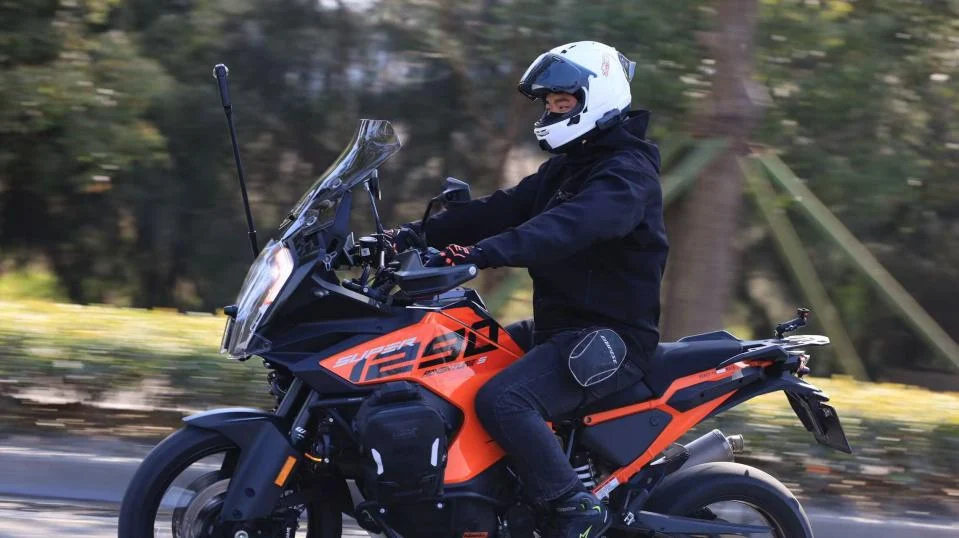
Hi everyone, I’m Logan. I’ve been riding motorcycles for over 12 years, and today my main ride is a KTM 1290 Adventure, powered by a 1301cc V-twin engine.
Over the years, I’ve owned and ridden motorcycles of many different engine sizes—from entry-level small-displacement commuter bikes to large-displacement adventure machines. And if there’s one misconception I’ve heard more times than I can count, it’s this:
“Big-displacement motorcycles are fuel guzzlers, while small-displacement bikes are always fuel-efficient.”
In reality, fuel consumption has never been determined by engine displacement alone. Especially when maintaining the same cruising speed, the difference between large and small engines is far more nuanced than most riders realize.
About the Article
Engine Speed, Fuel Injection, and Why Displacement Isn’t the Deciding Factor
Let’s start with one of the most critical factors affecting fuel consumption: engine RPM and fuel injection frequency.
Many riders assume that a larger engine automatically consumes more fuel because it has bigger cylinders and injects more fuel with each combustion cycle. This assumption is only partially true—and often misleading.
In real-world riding, fuel consumption depends far more on engine speed and load than on displacement alone.
Take my KTM 1290 Adventure as an example. At highway cruising speeds—around 120 km/h—the engine typically runs between 3,000 and 4,000 RPM. This is a low-RPM, high-torque operating range, where the engine works efficiently, combustion is stable, and fuel injection is relatively infrequent.
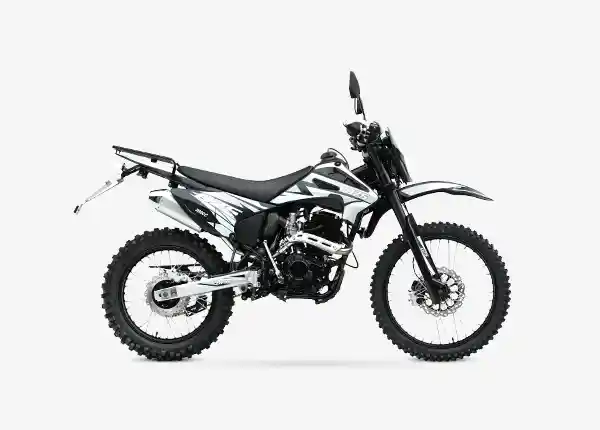
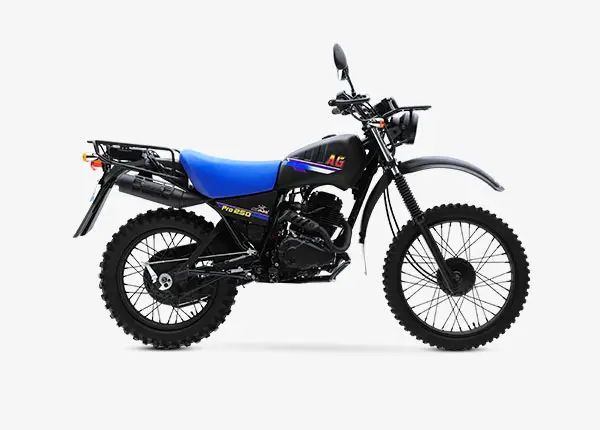
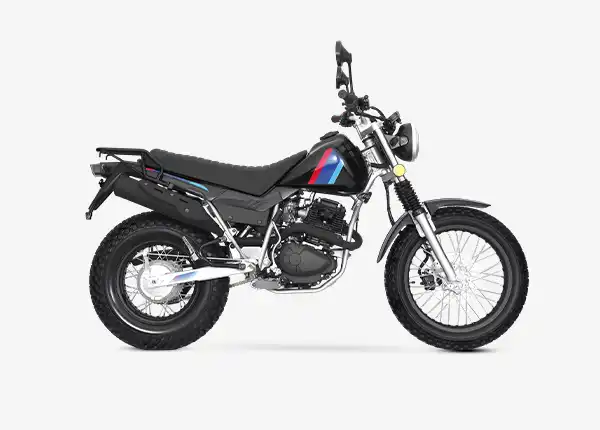
Now compare that to many sub-150cc motorcycles. To maintain the same 120 km/h speed (often near their mechanical limits), those engines may need to spin at 7,000–8,000 RPM or higher. Higher RPM means the pistons move faster, combustion cycles occur more frequently, and fuel injection happens far more often.
Even if each injection delivers less fuel, the high frequency adds up. In certain conditions, a small-displacement engine can consume **nearly as much—or sometimes more—fuel than a larger one.
A Simple Analogy: Strength vs. Efficiency
Think of it this way:
A large-displacement engine is like a strong person carrying a heavy box. They can move it steadily, without rushing.
A small-displacement engine is like someone with less strength, who has to move faster and work harder to keep up.
In the end, the total energy spent isn’t necessarily lower for the weaker person—and the same logic applies to fuel consumption.
From my own experience, cruising 100 km on the highway with the KTM 1290 Adventure typically results in fuel consumption of around 5.5–6.0 liters per 100 km.
By contrast, a 150cc scooter I previously owned consumed 4.5–5.0 liters per 100 km when pushed to sustain around 100 km/h, which was already close to its performance limit. The difference was far smaller than most people expect.
Riding Style Matters More Than Engine Size
After 12 years on two wheels, one thing has become crystal clear to me:
Riding style influences fuel consumption far more than displacement.
The same motorcycle, ridden by different people, can show a 20–30% difference in fuel economy—regardless of engine size.
Large-displacement bikes are no exception. If you constantly accelerate hard, brake aggressively, and push the engine into the redline, fuel consumption will skyrocket. In heavy urban traffic, my KTM 1290 Adventure can easily exceed 10 liters per 100 km with aggressive riding.
But with smooth throttle control, good anticipation, and minimal stop-and-go riding, urban fuel consumption can stay around 7 liters per 100 km—not dramatically different from many 250cc or 400cc motorcycles.
Small-displacement bikes, on the other hand, are not “naturally fuel-efficient” under all conditions. Riders who habitually rev high, launch aggressively, and maintain high engine loads will see fuel consumption climb quickly.
I have friends riding 250cc naked bikes whose fuel consumption stays above 5 liters per 100 km simply because of aggressive riding—sometimes even higher than my 1290 when I ride conservatively.
What Engine Displacement Really Represents
At its core, engine displacement determines power reserve—not fuel consumption.
- Large-displacement motorcycles excel at low-RPM torque, relaxed highway cruising, climbing, carrying passengers, and long-distance travel—all while avoiding constant high-RPM operation.
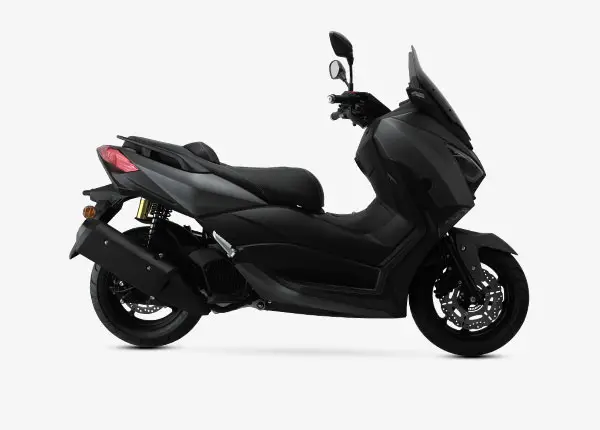
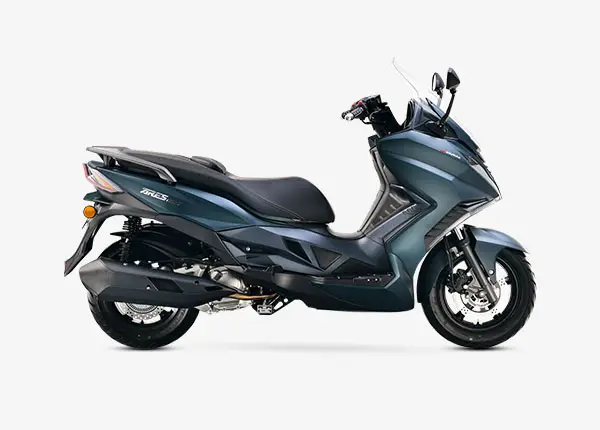
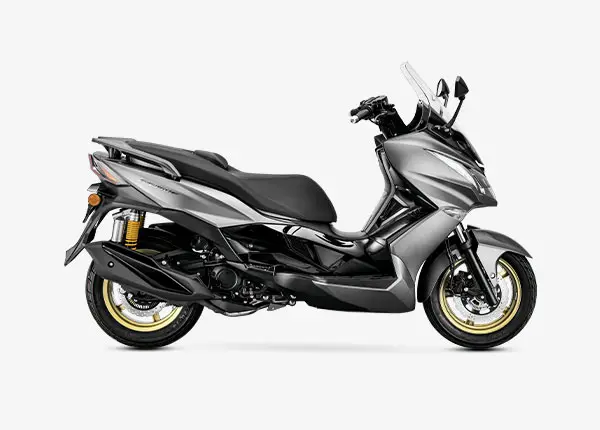
- Small-displacement motorcycles shine in lightweight design, urban commuting, and low-speed efficiency—but struggle when forced into sustained high-speed or high-load conditions.
That’s why I chose the KTM 1290 Adventure. I frequently ride long distances and across varied terrain. I need strong torque reserves and stable highway cruising. The ability to maintain speed at low RPM keeps fuel consumption reasonable while delivering comfort and confidence.
If my riding were limited to daily commuting, a small-displacement motorcycle would likely make more sense—lighter, cheaper, and more economical in that specific use case.
Conclusion: Stop Judging Fuel Consumption by Displacement Alone
The idea that “big bikes are inefficient and small bikes save fuel” no longer holds true in today’s motorcycle world.
At the same cruising speed:
- A large-displacement engine can operate efficiently at low RPM and may not consume more fuel.
- A small-displacement engine, when pushed hard at high RPM, can easily exceed its expected fuel consumption.
Ultimately, riding habits and real-world usage scenarios are the decisive factors.
Instead of fixating on displacement numbers, riders should evaluate their own needs, test ride different motorcycles, and choose a bike that performs efficiently in the conditions they ride most often.
After all, motorcycling is about enjoyment—and the best bike is always the one that truly fits you.