
SCOOTER SERIES / INTERNATIONAL B2B MOTORCYCLE
Warrier
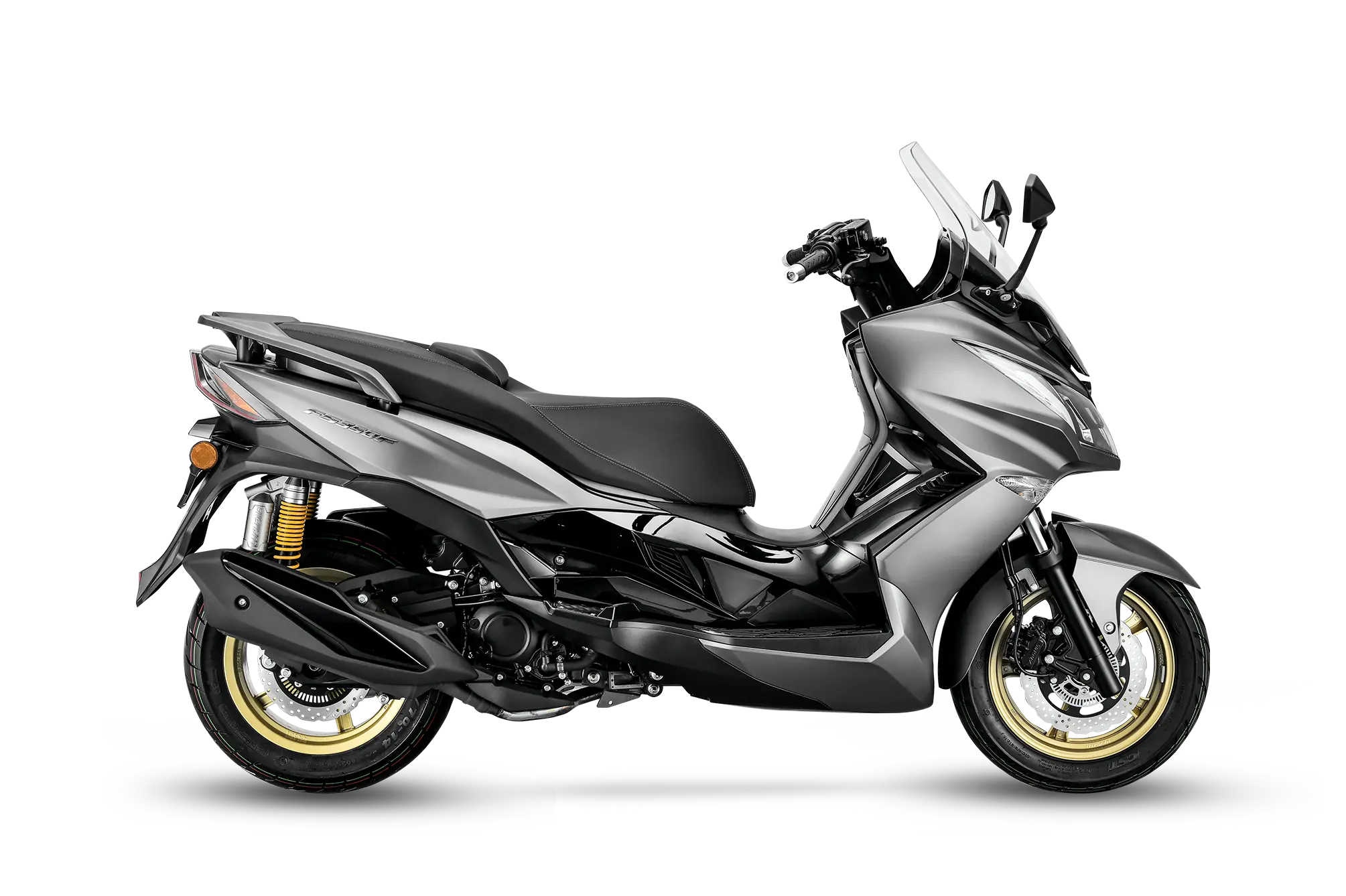
A 369.3cc GT maxi scooter combining liquid-cooled EFI power, CVT automatic drive, advanced rider-assistance systems and connected TFT equipment for higher-positioned urban and longer-distance riding.
For professional buyers
Distributors · Importers · Dealer groups · OEM / ODM
Warrier
01 · MODEL & SUPPLY OVERVIEW
Built around the realities of your market.
A clear view of the product, supply and market considerations that matter at the start of a motorcycle program.

Displacement
369.3cc

Fuel system
EFI

Maximum Power
22.5 kW @ 7,000 rpm

Brake & Control
Disc/ Disc

MOQ
CBU 34 Units

Lead Time
30–45 Days

Supply Format
CBU / SKD / CKD

Market Compliance
Euro 5+ / EEC
Market compliance:reviewed according to the target market and confirmed separately.
02 · MARKET POSITIONING
A Flagship GT Maxi Scooter for the Warrier Range
The Warrier 400 is the upper-tier model in the Warrier scooter family, developed for markets that require more engine capacity, stronger road-use equipment and a higher product specification than conventional commuter scooters. Its 369.3cc liquid-cooled EFI engine, CVT automatic transmission, 16 L fuel tank, 1,550 mm wheelbase and wide 150/70-14 rear tire give the model the scale and specification expected from a mid-displacement GT maxi scooter. ABS, TCS, TPMS, a 7-inch TFT display, smartphone connectivity, navigation mirroring, keyless operation and USB charging further distinguish the Warrier 400 from basic urban models. For distributors, the Warrier 400 provides a clear flagship position above smaller Warrier variants, allowing the range to extend from everyday urban scooters into a higher-value automatic segment.
Primary Use
Daily Urban Mobility · Longer-Distance Commuting · Intercity Travel · Leisure Riding
Market Fit
Experienced Scooter Riders · Urban Professionals · Riders Upgrading from Smaller Scooters
Portfolio Role
Flagship Automatic Scooter in the Warrier Range
03 · Product Highlights
Designed with purpose.
The key design, engineering and equipment decisions that shape the character and everyday performance of the model.
DESIGN
GT Maxi-Scooter Proportions
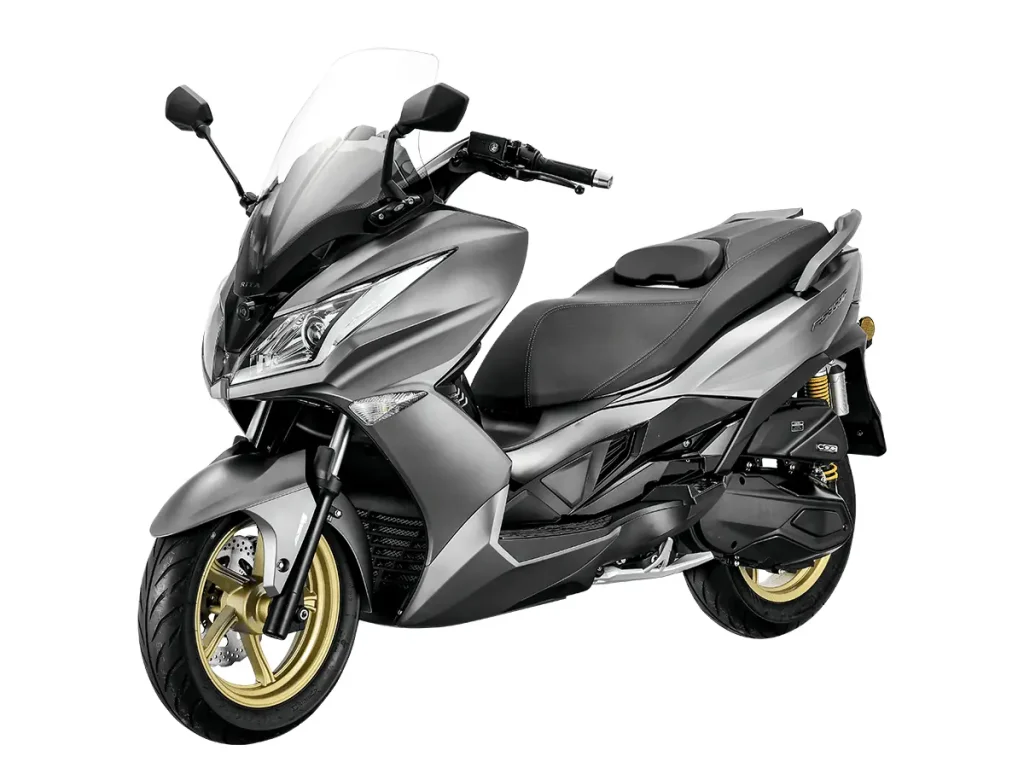
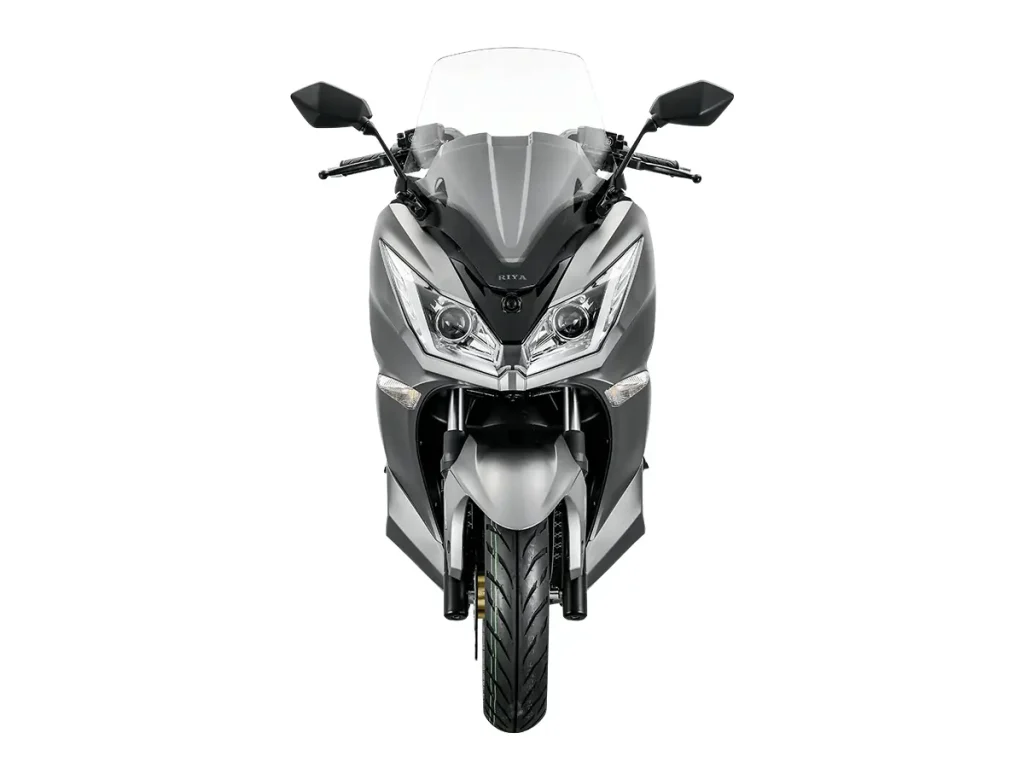
The Warrier 400 uses a larger body format and longer wheelbase to create a clearly differentiated GT maxi-scooter identity. Its 2,170 × 810 × 1,325 mm overall dimensions, 1,550 mm wheelbase, 780 mm seat height and fixed windshield support a more substantial road presence than compact commuter scooters while retaining the convenience of an automatic platform. The 150-section rear tire and larger chassis proportions further reinforce its position as the top model within the Warrier scooter family.
POWERTRAIN
369.3cc Liquid-Cooled EFI with CVT Automatic Drive
The Warrier 400 uses a 369.3cc single-cylinder, liquid-cooled, four-valve SOHC engine with electronic fuel injection. Maximum output is 22.5 kW at 7,000 rpm, with 34.5 N·m of torque at 5,500 rpm. Power is delivered through a CVT automatic transmission with centrifugal clutch and belt final drive, retaining the ease of use expected from a scooter while moving the Warrier range into a genuine mid-displacement automatic segment. For distributors, this powertrain allows the model to serve customers whose requirements have moved beyond conventional 125–300cc commuter scooters.
CONTROL
ABS, TCS and TPMS as Standard
The Warrier 400 combines front and rear disc brakes with ABS, traction control and tire-pressure monitoring as standard equipment. A 120/80-14 front tire and 150/70-14 rear tire provide a wider chassis footprint than smaller commuter scooters, while the front telescopic fork and dual rear suspension support the larger vehicle platform. For distributors, the combination of ABS, TCS and TPMS creates a clear specification difference from basic urban scooters that rely only on conventional braking systems.
EQUIPMENT
Connected Rider Interface for the GT Segment
The Warrier 400 is equipped with a 7-inch TFT color display, smartphone connectivity and navigation mirroring. Keyless operation, USB charging, a fixed windshield, hazard warning lights, dash camera and side-stand engine cut-off add practical functionality for daily and longer-distance use. The equipment package allows distributors to position the Warrier 400 around safety, connectivity and convenience rather than relying on engine displacement alone.


04 · Technical specifications
Reference data. Project-approved detail.
Core technical data for product evaluation, market assessment and project planning.
Full project datasheet
Detailed specifications may vary according to destination market, selected equipment and approved project configuration.
Model
Warrier
* Final technical details are defined by the confirmed project specification.


06 · OEM/ODM & Project Support
Configured for your
market and brand.
KAMAX supports distributors, importers and private-label partners with product configuration, brand customization, supply planning and market-specific preparation — all based on the technical feasibility and commercial scope of the project.
01 Product Configuration
Displacement Class · Safety Systems · Suspension Specification · Wheel / Tire Specification · Electrical Equipment · Instrumentation · Connectivity · Navigation Function · Key System · USB · Lighting · Electrical Specification · Convenience Equipment etc
Subject to platform availability and feasibility
02 Brand Customization
Body Colors · Brand Logo · Graphics / Decals · Product Labels · Instrument / Interface Branding · User Manuals · Packaging
Subject to MOQ, artwork and production scope
03 Market Adaptation
Safety Systems · Lighting · Instrumentation · Connectivity · Product Labels · Warning Labels · Language Materials · Product Markings · Supply Format
Subject to destination-market review
Project support

Flexible Supply
CBU / SKD / CKD project direction.

Export Documentation
Project-related export document support.
Spare Parts Planning
Initial-order spare parts planning support.
Container Planning
Packing and loading direction for shipment.
07 MANUFACTURING & GLOBAL EXPERIENCE
The capability behind every project.
08 · Related Models
Explore other products in the lineup.
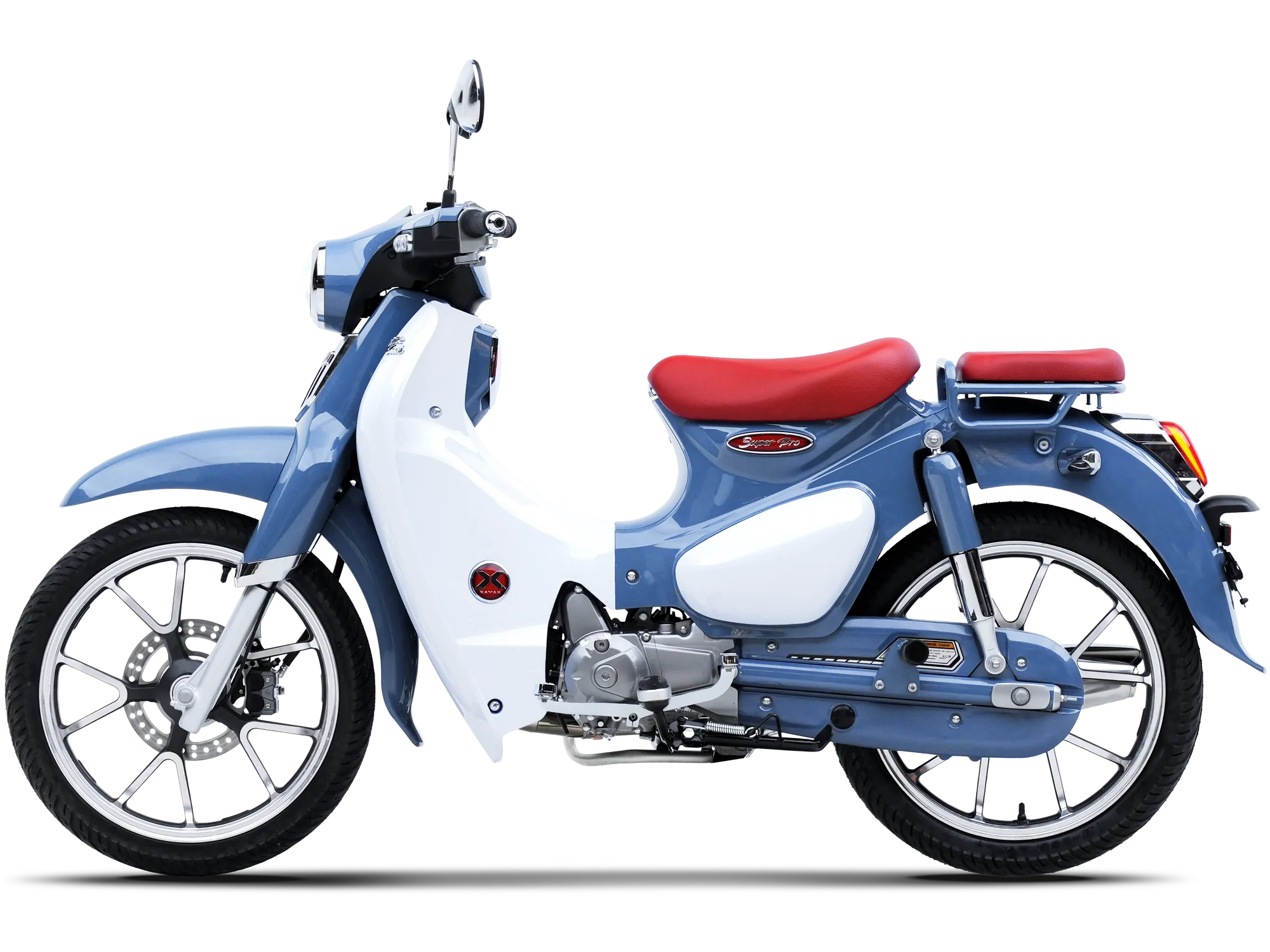
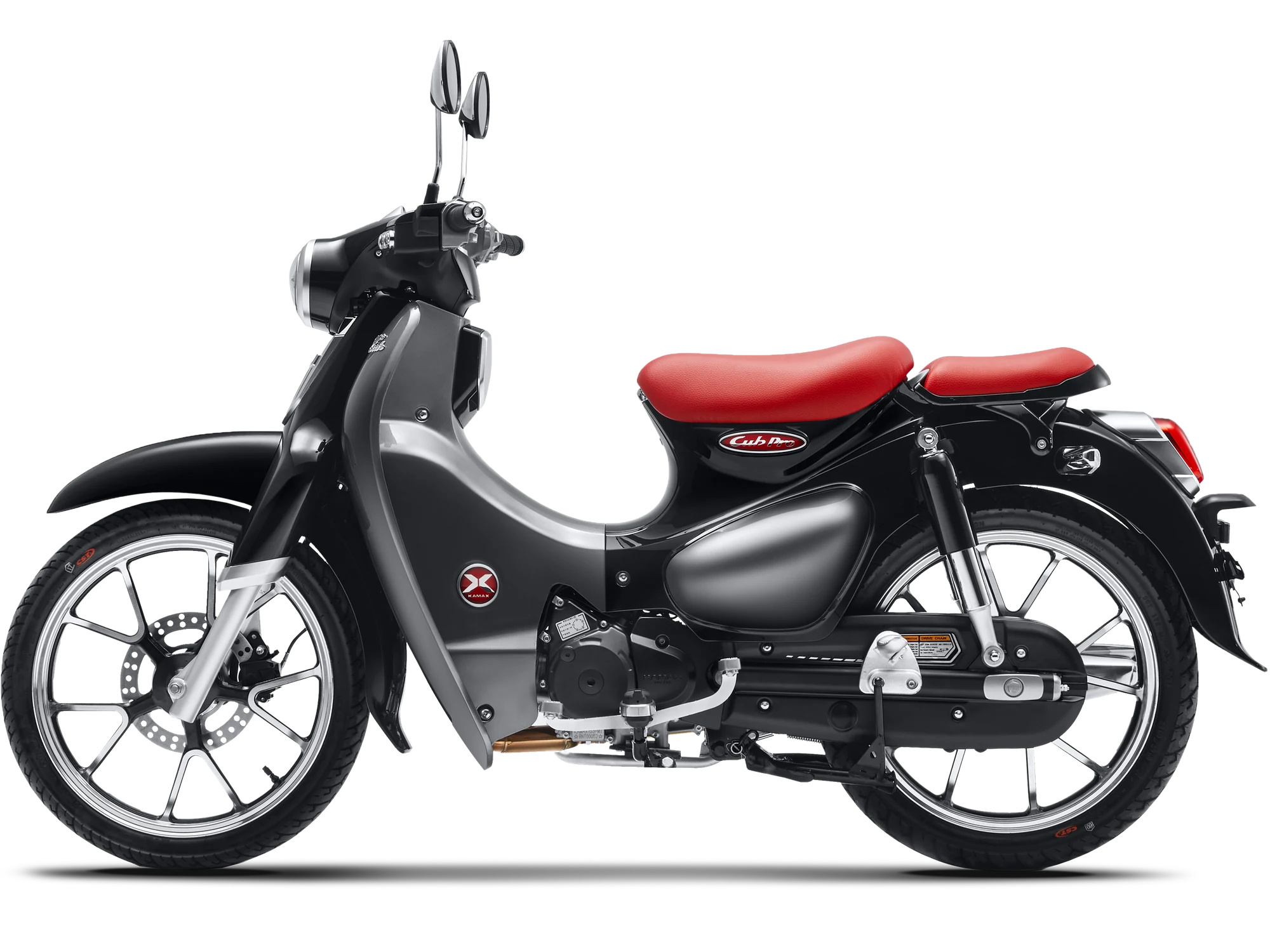
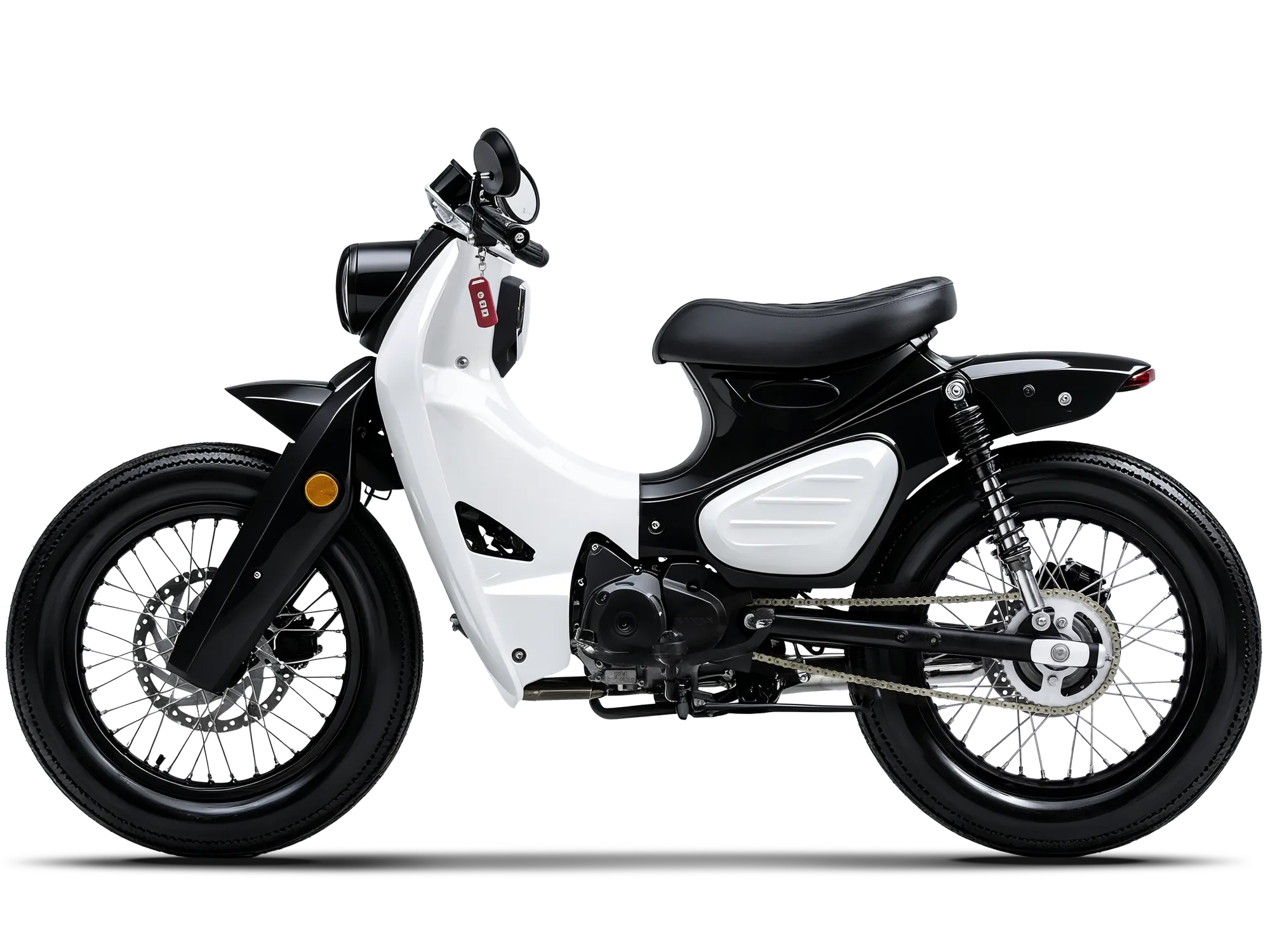
Cub · Underbone · Motocross · Dual-sports · Streets · Scooters · Electrics
09 · Buyer FAQ
Questions from
professional buyers.
Answers to common questions about ordering, customization, supply formats, compliance and after-sales planning.
10 · Start a project
Discuss this model
for your market.
Share your market, expected volume and product requirements. Our team will review the project and provide the relevant technical and commercial information.